Most standard workplace first aid kits are stocked for minor injuries: small cuts, grazes, and the occasional splinter. But in high-risk environments, on worksites, in warehouses, and even in everyday public spaces, serious bleeding can happen without warning. When it does, the small dressings in a basic kit are not going to be cut. A multi-trauma dressing is one of the most effective and underused tools in first aid and understanding when and how to use one could make a critical difference in the minutes before emergency services arrive.
What Is a Multi Trauma Dressing?
A multi trauma dressing non-sterile large is a highly absorbent wound dressing designed to control heavy bleeding by covering extensive injuries and applying sustained pressure. Measuring 25.4 × 76.2 cm, the Livingstone Multi Trauma Dressing provides ample coverage for major wounds or multiple injuries, making it an essential item for serious bleeding emergencies.
Why Do Standard First Aid Kits Fall Short in a Serious Bleed?
Severe bleeding can become life-threatening within minutes, making rapid wound management critical. Unlike standard dressings, a multi trauma dressing is designed to control heavy bleeding and is recommended for high-risk or remote workplaces where specialised first aid equipment may be needed to manage serious injuries.
What Types of Wounds Is a Multi Trauma Dressing Used For?
- Large lacerations from machinery, tools, or sharp materials
- Crush injuries from heavy equipment or vehicle accidents
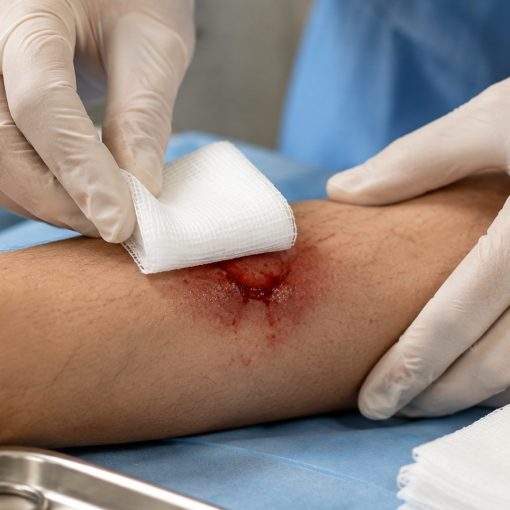
- Abrasions or degloving injuries covering a large surface area
- Multiple adjacent wounds that require simultaneous coverage
- Burns or open wounds requiring protection while awaiting emergency services
- Wounds in areas where a standard dressing cannot provide adequate coverage or pressure
How Does a Trauma Wound Dressing Work?
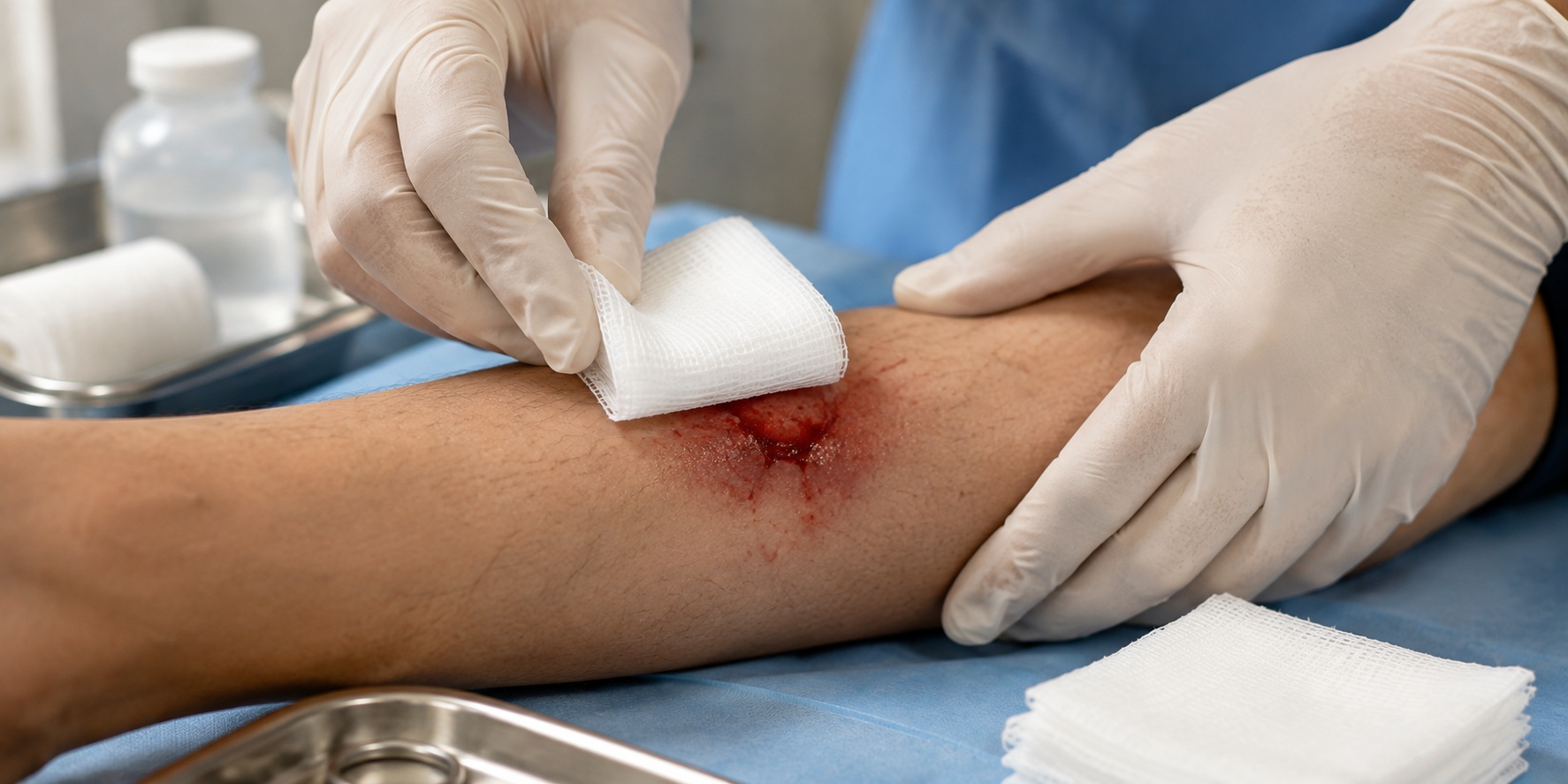
A multi-trauma dressing helps control severe bleeding by absorbing large volumes of blood while allowing firm, even pressure to be applied across the wound to support clotting. If the dressing becomes saturated, do not remove it. Instead, apply additional dressings on top to maintain pressure and avoid disturbing the forming clot.
What Is the Correct Way to Apply Multi Trauma Dressing?
- Ensure the scene is safe and put on disposable gloves before approaching the injured person
- Call Triple Zero (000) or direct someone to do so immediately
- Open the dressing packaging cleanly, keeping the pad surface as uncontaminated as possible
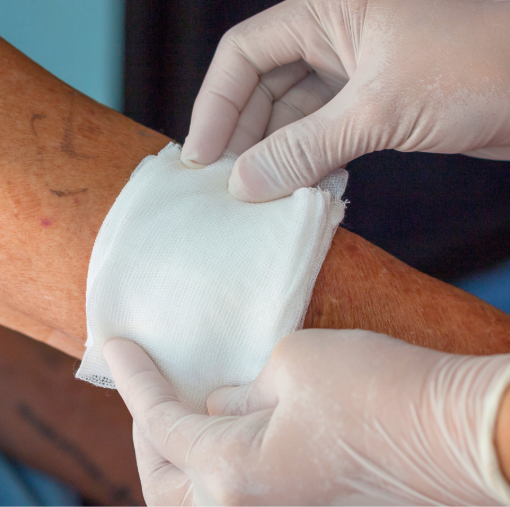
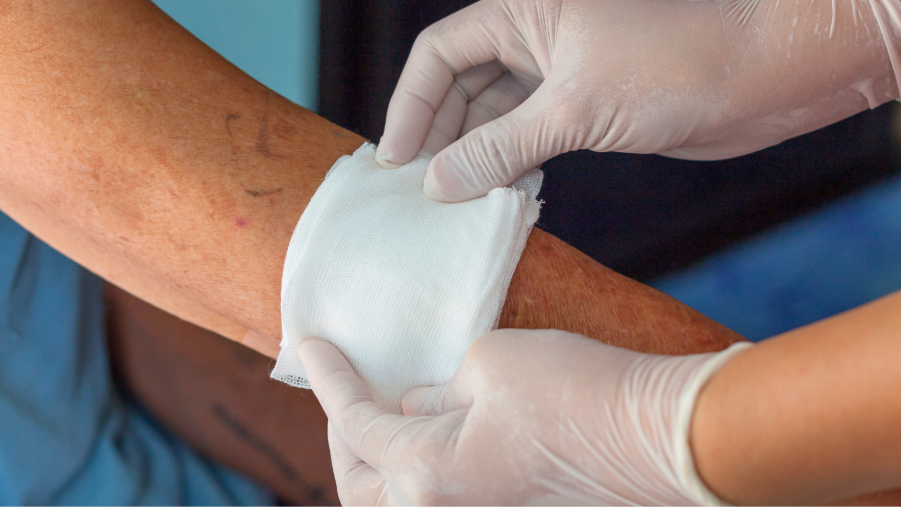
- Place the absorbent pad directly over the wound, covering the full wound area
- Apply firm, direct pressure to the dressing and maintain it continuously
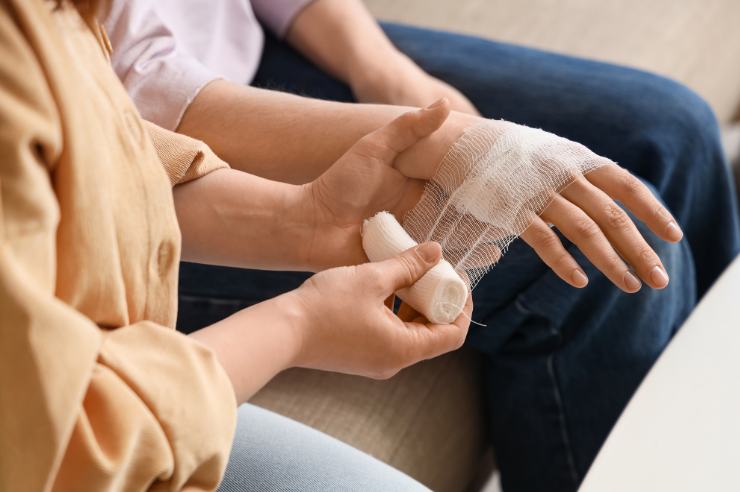
- Secure the dressing in place using bandaging, folding, or any available material to hold pressure
- Do not remove the dressing if it becomes soaked through; add more material on top
- Provide a clear handover to emergency services when they arrive, including timing and what first aid was provided
What Makes the Livingstone Multi Trauma Dressing the Right Choice?
The Livingstone Multi Trauma Dressing, 25.4 x 76.2 cm is a large-format, non-therapeutic, non-sterile dressing designed for first aid wound coverage and bleeding management. Its highly absorbent, non-woven construction effectively manages blood loss while providing coverage for multiple wounds or major injuries, and it can be folded to increase absorbency over a single wound when required. For those seeking the best price trauma dressings Australia, it offers a practical, cost-effective solution without compromising on coverage or performance.
The dressing is compact and easy to store in any first aid kit, first aid room, mobile kit, or emergency response bag. For a full range of trauma wound dressing non-sterile single pack options suited to workplace first aid, explore the Wound Care Dressings Collection. For workplaces requiring reliable, straightforward wound coverage at a competitive price without compromising absorbency or coverage, this is a practical and proven choice.
Frequently Asked Questions
What is the difference between trauma dressing and standard first aid dressing?
A standard dressing is intended for minor cuts and wounds, while a trauma dressing is larger, more absorbent, and designed to control heavy bleeding from serious injuries by providing greater coverage and sustained pressure.
Does my workplace first aid kit legally need to include trauma dressing?
Not always. First aid kit contents should reflect workplace risks. For high-risk environments involving machinery, vehicles, heavy equipment, or remote work, a multi-trauma dressing is a recommended addition to help manage severe bleeding emergencies.
Can a first aider without advanced training use a multi-trauma dressing?
Yes. Anyone with standard workplace first aid training can apply a multi-trauma dressing using direct pressure. Its large size makes it easy to position over major wounds and maintain pressure until emergency services arrive.
Be Ready for More Than a Minor Cut
While most first aid kits are equipped for minor injuries, a multi-trauma dressing prepares workplaces for serious bleeding emergencies. It is a compact, cost-effective addition that can make a critical difference when managing major wounds.
Stocking the right trauma wound dressing is not about expecting the worst. It is about being genuinely prepared for the full range of injuries that can occur in your workplace, and making sure your first aid kit reflects that reality.
References
Brenniston 2025, Bleeding incidents in Australian workplaces, Brenniston, viewed June 2026,
https://www.brenniston.com.au/blogs/news/bleeding-workplace
The First Aid Show 2026, Trauma dressings in first aid: when and how to use them, The First Aid Show, viewed June 2026,
https://www.firstaidshow.com/trauma-dressings-in-first-aid-when-and-how-to-use-them/
Safe Work Australia 2024, First aid in the workplace, Safe Work Australia, viewed June 2026,
https://www.safeworkaustralia.gov.au/safety-topic/managing-health-and-safety/first-aid
TacMed Australia 2025, Life-saving decisions: your guide to bleeding control equipment, TacMed Australia, viewed June 2026,
https://tacmedaustralia.com.au/blogs/tacmed/life-saving-decisions-your-guide-to-bleeding-control-equipment