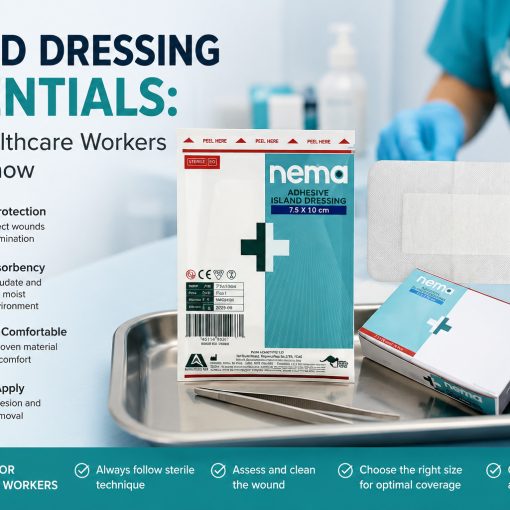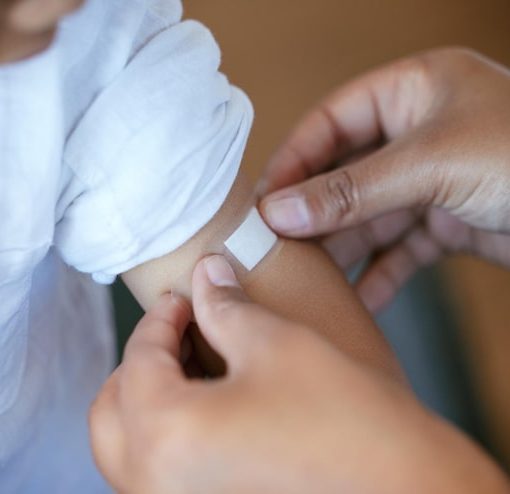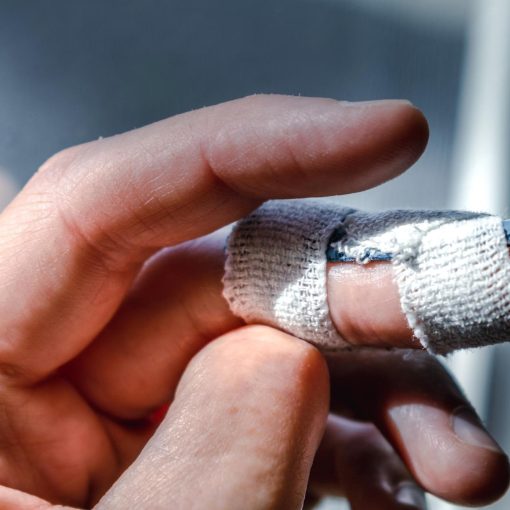
A small cut, a surgical wound, or even a simple injury always needs proper care. And in that care, two things quietly do a big job – gauze swab sand bandages. They may look simple, but they play a very important role in healing and protection.
In hospitals, clinics, and even home first aid kits, these items are always present. If you look at trusted medical suppliers like Livingstone International, you will find high-quality wound care products designed for safe and easy use.
Let’s understand in a simple way why gauze swabs and bandages are so important in medical care.
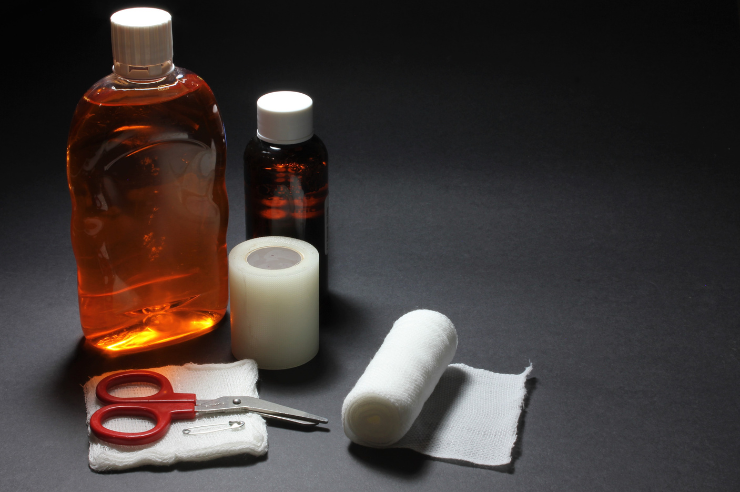
What are gauze swabs?
Gauze swabs are soft pieces of cotton material used to clean and cover wounds. They are lightweight, breathable, and safe for skin use.
You may also hear names like:
- sterile gauze swabs
- gauze swabs sterile
- cotton gauze swab
- cotton gauze swabs sterile
- medical gauze swab
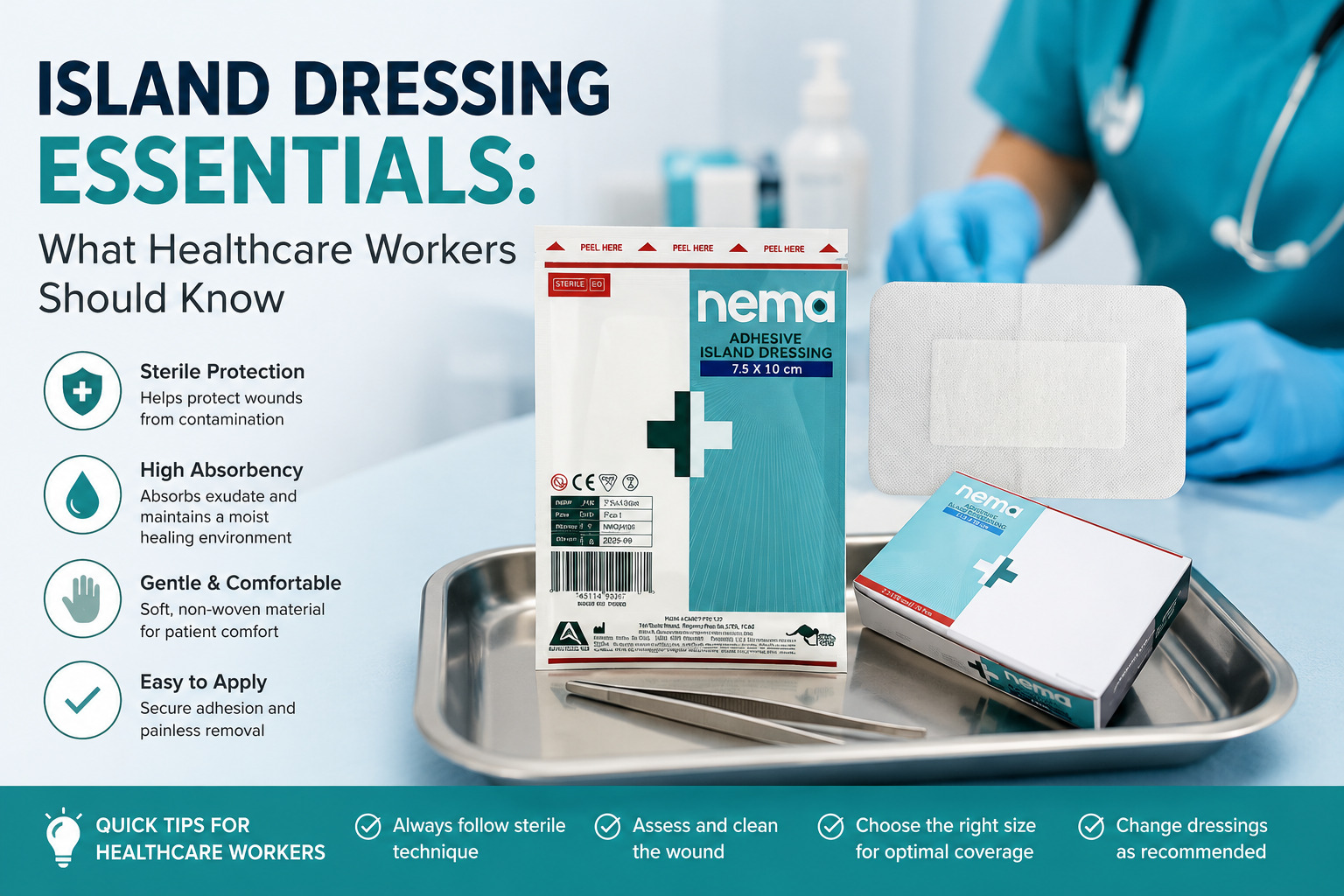
A common size used is sterile gauze swabs 7.5 x 7.5, which is easy to handle and perfect for most wounds.
So, what makes a gauze 7.5 x7 5 so useful? It absorbs fluids, keeps the wound clean, and helps protect it from dirt.
Why are gauze swabs important in medical procedures?
You might ask, why do doctors always use gauze swabs during treatment?
The answer is simple. They help in many ways:
- They clean wounds gently
- They absorb blood and fluids
- They protect the injury from infection
- They help in applying medicine
A cotton gauze swab is soft, so it does not hurt the skin. That is why it is widely used in hospitals and clinics.
In medical procedures, even a small mistake in wound care can slow healing. That’s why gauze swabs sterile are trusted for safe use.
What is the use of bandages?
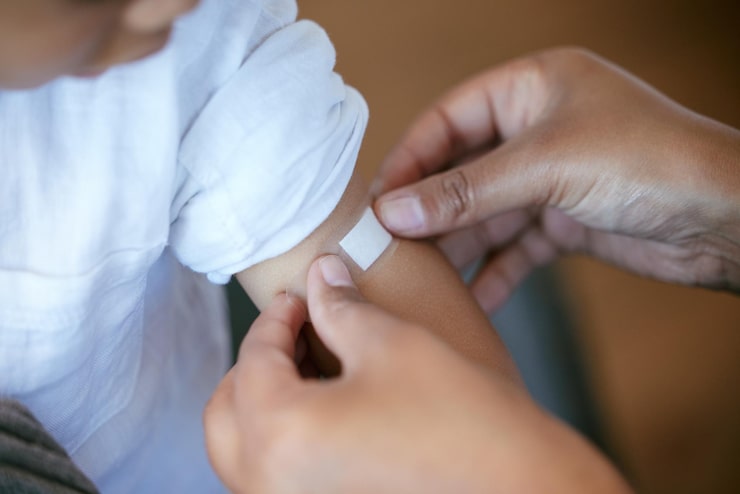
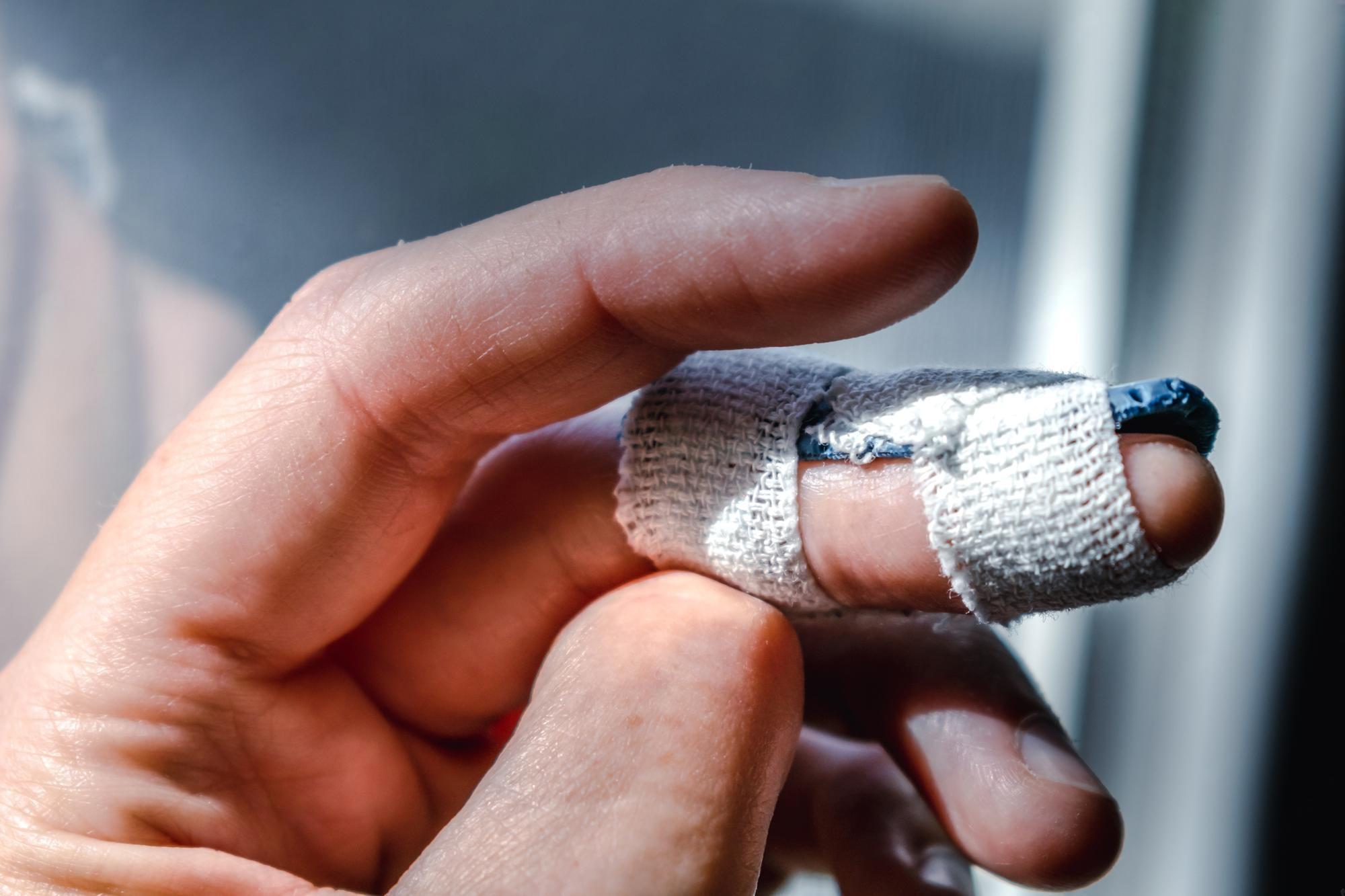
Bandages work together with gauze swabs. After cleaning a wound, a bandage is used to hold the gauze in place.
So, what do bandages do?
- They keep the wound covered
- They protect it from dust and bacteria
- They support faster healing
- They reduce bleeding in some cases
Without bandages, a gauze swab use would not be complete. Both work as a team.
How gauze swabs and bandages work together
Let’s understand this in a simple way.
First, the wound is cleaned using a medical gauze swab. This removes dirt, blood, and germs.
Then, a fresh sterile gauze swab is placed over the wound. After that, a bandage is wrapped around it to hold everything in place.
This simple process helps protect the wound and supports healing.
So, when you think about wound care, remember this question:
Can a wound heal properly without protection?
The answer is no. That’s why both gauze swabs and bandages are important.
Common uses of gauze swabs
Gauze swabs are used in many situations:
- Cleaning cuts and wounds
- Dressing surgical wounds
- Applying antiseptic solution
- Stopping minor bleeding
- Absorbing wound fluid
In all these uses, gauze swabs sterile are preferred because they reduce the risk of infection.
Step-by-step use of gauze swabs
Using a cotton gauze swab is simple. Let’s break it down:
Step 1: Wash your hands
Clean hands help avoid infection.
Step 2: Take a sterile swab
Use a fresh gauze swabs sterile pack.
Step 3: Clean the wound
Gently wipe the area using the swab.
Step 4: Apply medicine (if needed)
Doctors may suggest antiseptic.
Step 5: Cover with gauze
Place a gauze 7.5 x7 5 over the wound.
Step 6: Use a bandage
Wrap it gently to hold everything in place.
Simple, right?
Why sterile gauze swabs matter
Not all swabs are the same. Sterile gauze swabs are specially packed to stay free from germs.
Why is this important?
Because wounds are sensitive. Even a small amount of dirt can cause infection.
That’s why cotton gauze swabs sterile are widely used in medical care.
They give extra safety and peace of mind.
Why hospitals trust gauze swabs
Hospitals use gauze swabs every day because they are safe, reliable, and easy to handle.
Doctors prefer them because:
- They are hygienic
- They absorb fluids well
- They are gentle on wounds
- They support clean dressing
A cotton gauze swab is often the first step in wound treatment.
Conclusion
Proper wound care is very important for fast and safe healing. Gauze swabs and bandages play a key role in this process. They help clean, protect, and support the wound until it heals.
From small cuts to medical procedures, a gauze swab use is always needed. When used correctly, they reduce infection risk and improve recovery.
For reliable and high-quality wound care products like gauze swabs sterile, cotton gauze swabs, and medical gauze swab solutions, Livingstone International is a trusted name. Their products are designed to support safe, simple, and effective medical care every day.
FAQs on Gauze Swabs and Bandages
1. Can gauze swabs be used with antiseptic solutions for deeper wound cleaning?
Yes, gauze swabs sterile are often used with antiseptic liquids to gently clean deeper or contaminated wounds. The swab helps spread the solution evenly without irritating the skin.
2. How often should gauze swabs be changed on a wound?
It depends on the wound condition, but usually a medical gauze swab should be changed at least once or twice a day. If it becomes wet or dirty, it should be replaced immediately.
3. Can cotton gauze swabs be used for both dry and bleeding wounds?
Yes, cotton gauze swabs are versatile. They can absorb blood in bleeding wounds and also keep dry wounds clean and protected when used with bandages.
4. What happens if sterile gauze swabs are not used properly?
If cotton gauze swabs sterile are not used correctly or are reused, there is a higher risk of infection. This can slow down healing and may cause wound complications.
5. Can gauze swabs be cut or adjusted to fit different wound sizes?
Yes, a gauze 7.5 x7 5 or similar swab can be cut if needed, but it is better to use the right size directly to maintain sterility and proper coverage of the wound.