The right mask can make a real difference when you are caring for patients or residents. But choosing between a surgical mask and a P2 respirator is not always straightforward. Each type of mask is designed for different situations, levels of exposure and infection control needs.
So, when should you use a surgical mask or P2 respirator? The answer depends on the type of risk, the care being provided and your facility’s infection control procedures. At Livingstone International, we provide healthcare PPE to help aged care and healthcare facilities meet their everyday protection and infection control needs
What Is the Difference Between a Surgical Mask and a P2 Respirator?
The main difference in a surgical mask vs P2 respirator comparison is how each one is designed to protect the wearer.
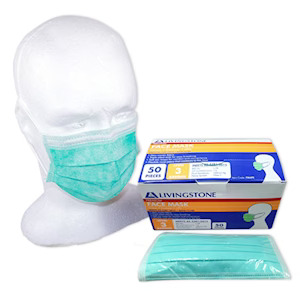
A surgical mask is designed to provide a physical barrier against respiratory droplets, splashes and other particles. It is commonly used during routine patient care and infection control procedures.
A P2 respirator is designed to filter airborne particles and provide a close seal around the face. Because it relies on a good facial seal, the fit is especially important.
In simple terms, a surgical mask mainly provides barrier protection, while a P2 respirator provides respiratory protection through filtration and a close fit.
This does not mean that a P2 respirator should be used for every healthcare situation. The right choice should be based on a risk assessment and the infection control procedures followed by your facility.
When Is a Surgical Mask Appropriate?
Surgical masks are widely used in healthcare and aged care settings. They can be suitable when the main concern is exposure to respiratory droplets or splashes during routine care.
For example, a surgical mask may be used when caring for someone with a respiratory infection when there are no additional factors that increase the risk of airborne exposure.
In aged care, the Australian Government’s current guidance states that surgical masks, together with eye protection and other infection prevention measures, are generally recommended for respiratory precautions.
A surgical mask may also be practical for:
- Routine patient and resident care
- General infection control procedures
- Situations involving respiratory droplets
- Protecting the wearer from splashes
- General use during periods of increased respiratory illness
However, wearing a mask is only one part of infection prevention. Hand hygiene, ventilation, cleaning, vaccination and other controls also have an important role.
When Should You Use a P2 Respirator?
A P2 respirator may be needed when there is a higher risk of exposure to airborne particles.
For example, Australian Government aged care guidance recommends considering increased respiratory protection when a person has a suspected or confirmed respiratory infection and requires an aerosol-generating or other high-risk procedure. Poor ventilation or an inability of the person to follow basic infection control measures can also increase the level of risk.
A P2 respirator may therefore be considered when:
- An aerosol-generating procedure is being performed
- There is a higher risk of airborne transmission
- The risk assessment identifies a need for additional respiratory protection
- The person’s condition or behaviour increases exposure risk
- Local or facility infection control guidance calls for a respirator
The important point is that the decision should not be based on the mask alone. Your facility’s infection prevention and control process should guide the choice.
Why Does Fit Matter With a P2 Respirator?
A P2 respirator works differently from a loose-fitting surgical mask. It needs to sit closely against your face so that air passes through the filtering material rather than leaking around the edges.
This is why fit testing P2 respirators is an important part of a respiratory protection program.
Australian Government guidance explains that fit testing is used to assess whether a particular make, model and size of respirator fits an individual. A fit check should also be carried out each time a P2/N95 respirator is put on.
Facial hair can also affect the seal. If a respirator cannot form a suitable seal, it may not provide the expected level of protection.
Staff should therefore be trained in how to put on, remove and check their respirator correctly.
Surgical Mask vs P2 Respirator: Which One Should You Choose?
There is no single mask that is right for every situation.
Your choice should start with a risk assessment. Ask what type of exposure is expected, whether the person has a suspected or confirmed respiratory infection and whether a high-risk procedure is involved.
For routine respiratory precautions, a surgical mask with appropriate eye protection may be suitable. In higher-risk situations, a P2 respirator may be recommended instead.
The Australian Government’s aged care guidance specifically recommends a risk-based approach rather than treating P2/N95 respirators as necessary for every respiratory infection situation.
This approach can also help facilities manage PPE supplies more effectively. It ensures that staff have access to the appropriate protection when it is actually needed.
What Should Aged Care Facilities Include in Their PPE Planning?
Good PPE planning is particularly important in aged care. Residents can be more vulnerable to respiratory infections, while shared living spaces and regular contact with workers and visitors can increase opportunities for transmission.
Current Australian Government guidance states that aged care providers should maintain effective infection prevention and control programs and ensure appropriate PPE supplies are available.
When preparing a face protection PPE checklist for aged care facilities, consider including:
- Surgical masks
- P2 or N95 respirators where required
- Eye protection
- Gloves
- Gowns or protective clothing
- Hand hygiene products
- Suitable waste disposal supplies
- Staff training and PPE procedures
- Fit testing and fit checking processes where respirators are used
Your checklist should also consider how much PPE is required during normal operations and how quickly supplies may be used during an outbreak.
What About Infection Control PPE in Aged Care?
Infection control PPE aged care planning should not focus only on masks. PPE needs to form part of a wider infection prevention and control program.
Staff should know when PPE is required, how to put it on correctly and how to remove it without contaminating themselves or their surroundings.
The Australian Government also provides guidance on putting on and removing PPE in residential aged care. It highlights the importance of correct technique and hand hygiene before and after PPE use.
Facilities should also keep their procedures up to date. Respiratory illness risks can change, and local health advice may affect the precautions required.
How Can Facilities Make the Right Mask Choice?
Start with your facility’s risk assessment and infection control procedures. Then consider the type of mask required for each situation.
Do not choose a respirator simply because it appears to offer a higher level of protection. A P2 respirator must fit correctly and staff need to understand how to use it.
Likewise, do not assume a surgical mask is suitable for every situation. Higher-risk procedures may require additional respiratory protection.
Your procurement team should also check product specifications, supply requirements and staff needs before placing a large order.
Conclusion
Understanding the difference between a surgical mask and a P2 respirator makes it easier to select suitable PPE for different healthcare situations. Surgical masks can be appropriate for many routine respiratory precautions, while P2 respirators may be needed when a risk assessment identifies a higher level of airborne exposure.
For healthcare and aged care providers, having the right PPE available is an important part of infection control planning. Livingstone International provides a range of healthcare PPE products to help facilities prepare for everyday requirements and changing infection control needs.
Choose your PPE based on the situation, follow your facility’s procedures and make sure staff know how to use each product correctly.
FAQs
1. Can a surgical mask be used instead of a P2 respirator?
Not in every situation. The appropriate option depends on the infection risk, procedure and facility risk assessment. Higher-risk situations may require a P2 or N95 respirator.
2. Does a P2 respirator need to be fit tested?
Yes, fit testing is important for close-fitting P2 respirators. It helps identify the appropriate make, model and size for an individual wearer.
3. Can you wear a P2 respirator with facial hair?
Facial hair can prevent the respirator from forming a proper seal. Staff should follow their facility’s respiratory protection procedures and seek an alternative if a suitable seal cannot be achieved.
4. Are surgical masks suitable for aged care?
They can be suitable for many routine respiratory precautions in aged care. The required PPE should be determined through risk assessment and current infection control guidance.
5. What PPE should an aged care facility keep available?
Facilities should consider surgical masks, P2/N95 respirators where required, eye protection, gloves, gowns, hand hygiene supplies and appropriate waste disposal products.
6. How often should a P2 respirator be fit checked?
A fit check should be performed each time a P2 respirator is put on. This helps identify gaps or leaks around the face before entering a higher-risk environment.