Choosing a wound dressing is not simply about covering an injury. The dressing needs to suit what is happening underneath it. A dry wound may need a different option from one producing more fluid. A wound with delicate surrounding skin may also need a dressing that can be removed gently.
This is why healthcare professionals use different wound care dressings for different situations. From non-stick options to adhesive and foam dressings, each type has a particular purpose. Livingstone International supplies a wide range of medical and healthcare products for Australian hospitals, clinics, aged care facilities and other professional settings.
So, what makes one dressing different from another?
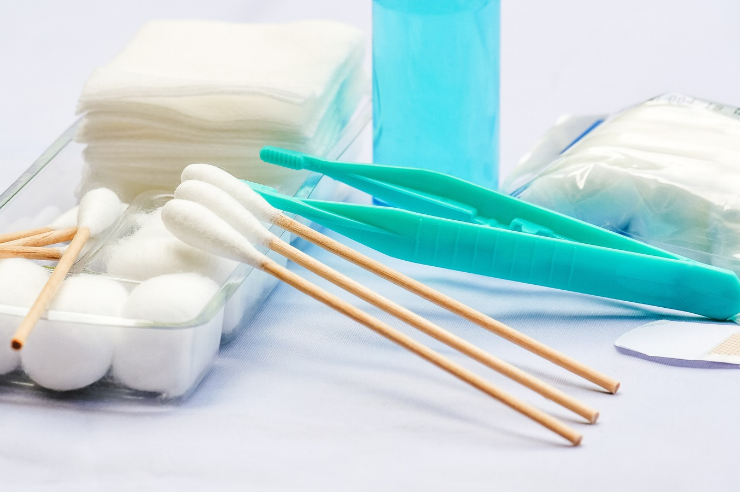
What Does a Wound Dressing Need to Do?
A wound dressing should provide appropriate protection while supporting the overall wound care plan. Depending on the product, it may help cover the wound, manage fluid, protect the surrounding skin or reduce contact with the wound surface.
The wound itself is the starting point when selecting a dressing. Is it small or large? Is it dry or producing fluid? Is the surrounding skin healthy, sensitive or fragile?
These questions matter because the same dressing may not be suitable for every wound.
For minor cuts and grazes, Healthdirect recommends cleaning the wound and covering it with a suitable dressing. It specifically lists non-stick dressings as an option for minor wounds.
When Are Non-Stick Dressings Useful?
Non stick dressings are designed to reduce the dressing material attaching directly to the wound.
This can be useful when regular dressing changes are needed. If a conventional material sticks to the wound, removing it can disturb the healing area and cause discomfort.
A non-stick contact layer can help reduce this problem. It may be suitable for minor cuts, grazes and other wounds where a protective covering is required.
However, non-stick does not automatically mean suitable for every wound. The product’s intended use, wound condition and amount of fluid should still be considered.
Non-Adhesive Sterile Dressings vs Adhesive Dressings
These two options are often confused, but they work differently.
Non-adhesive sterile dressings do not have an adhesive border designed to stick directly to the surrounding skin. They may need to be held in place with medical tape, a bandage or another suitable fixation method.
This can be useful when the skin around the wound is sensitive or when direct adhesive contact is best avoided.
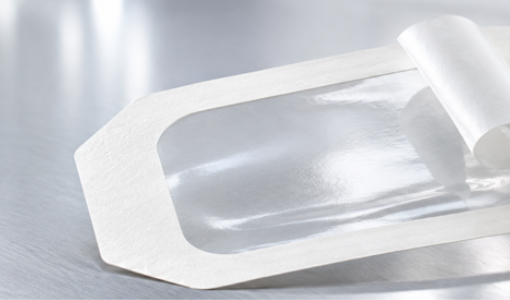
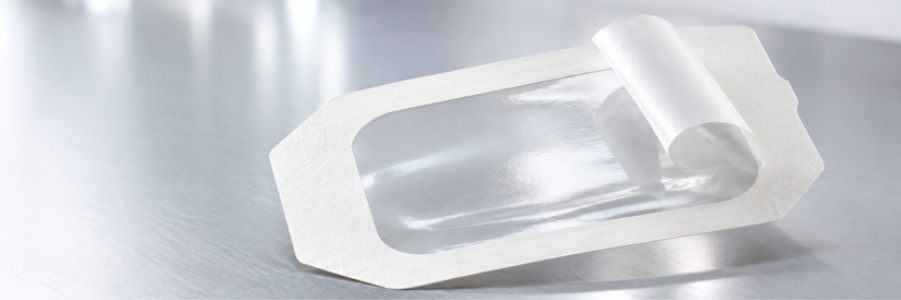
Adhesive dressings, on the other hand, have an adhesive section that helps keep the dressing in place. They can be practical for smaller wounds because you may not need an additional product to secure them.
The choice depends on the wound and the person’s skin. If the surrounding skin is fragile or sensitive, the healthcare professional may prefer a dressing with a gentler contact or fixation method.
When Should You Consider Foam Dressings?
The amount of wound fluid can change what type of dressing is needed.
A simple dressing may be suitable when there is very little fluid. However, a wound producing more fluid may need a product with greater absorbency.
Foam dressings are designed for this type of requirement. They can absorb wound fluid while providing a protective covering.
Some products use silicone as the wound-contact layer. Silicone foam dressings can provide a soft contact surface and may be useful when gentle dressing changes are important.
The amount of fluid, wound condition and surrounding skin should all be considered before choosing a foam dressing.
What Are Advanced Wound Care Dressings?
Advanced wound care products are designed for more specific wound management needs. Depending on the product, they may offer features such as greater absorbency, moisture management or specialised contact layers.
They may be used when a basic dressing does not meet the needs of the wound. However, an advanced dressing is not automatically a better choice.
The dressing should match the wound.
For example, chronic wounds often require ongoing assessment rather than simply changing the dressing. Healthdirect explains that chronic wounds may need specific dressings and professional care, with treatment also focused on factors such as infection, tissue condition and moisture balance.
Why Does Moisture Matter?
Moisture is an important part of wound management. Too much fluid can affect the skin around the wound, while choosing a dressing that does not manage the available fluid may mean it becomes wet or saturated quickly.
This is why absorbency matters.
For a lightly draining wound, a highly absorbent dressing may not always be necessary. For a wound producing more fluid, a more absorbent option may be considered.
The aim is not simply to keep the wound as dry as possible. The dressing should help create an appropriate environment for the wound while protecting the surrounding skin.
For chronic wounds, Healthdirect notes that moisture balance is part of wound treatment and that different wounds may require different dressings.
What Should Healthcare Facilities Check Before Buying?
When purchasing wound dressings for a clinic, hospital, aged care facility or first aid area, looking at the pack size alone is not enough.
Check:
Dressing size: Make sure the available sizes suit the wounds you commonly manage.
Contact layer: Consider whether a non-stick, non-adhesive or silicone contact layer is appropriate.
Absorbency: Match the product to the expected amount of wound fluid.
Fixation: Decide whether you need an adhesive dressing or a dressing that requires separate fixation.
Sterility: Check packaging and expiry dates for sterile products.
Storage: Follow the manufacturer’s storage requirements.
Intended use: Always check the product instructions before use.
Keeping a selection of dressing types can be more practical than relying on one product for every situation.
Where Do First Aid Dressings Fit In?
A first aid area may need a combination of products rather than one type of dressing.
For example, a small cut may be managed with an adhesive dressing, while a larger wound may need a sterile dressing pad and suitable bandage.
Healthdirect also lists non-stick dressings, dressing pads and bandages among useful first aid kit items.
Having different sizes and dressing types available allows healthcare workers or trained first aiders to choose an appropriate product for the situation.
However, serious wounds still need professional assessment.
When Is Professional Wound Care Needed?
A dressing cannot solve every wound problem. A wound may need professional attention if it is deep, continues bleeding, becomes increasingly painful or shows signs of infection.
Signs such as increasing redness, swelling, heat, pus or fever should not be ignored. Healthdirect recommends medical attention when wounds show signs of infection or are not healing as expected.
People with diabetes or other conditions that affect healing may also need closer professional care.
Choosing Wound Care Products for Your Facility
Good wound care starts with having suitable products available. A healthcare facility may need several dressing types because wounds can differ greatly in size, fluid level and skin condition.
Livingstone International offers a broad selection of healthcare and medical supplies for Australian healthcare professionals. Its wound care range can help facilities source different dressing formats for routine and professional wound management.
When comparing products, focus on what the dressing is designed to do rather than choosing based only on price or appearance.
Conclusion
The right wound dressing depends on the wound, not simply the size of the dressing. Non stick dressings can help reduce attachment to the wound, while adhesive options can provide convenient fixation. Foam and silicone foam dressings can offer greater fluid management for wounds that need it.
For Australian healthcare providers looking for dependable wound care products, Livingstone International offers a broad range of medical supplies for professional settings. Choosing the right product for the wound can make dressing changes more manageable and support a consistent approach to wound care.
FAQs
1. What are non-stick dressings used for?
Non-stick dressings are designed to reduce attachment to the wound surface. They can be useful when dressing changes need to be performed without unnecessary pulling on the healing area.
2. What is the difference between non-stick and non-adhesive dressings?
Non-stick describes the wound-contact surface, while non-adhesive means the dressing does not use adhesive to attach to the surrounding skin.
3. When are silicone foam dressings used?
Silicone foam dressings combine a foam layer with a silicone contact surface. They may be considered when wound fluid needs managing and gentle contact is important.
4. When are adhesive dressings suitable?
Adhesive dressings can be practical for smaller wounds because the adhesive border helps hold the dressing in place without requiring separate fixation.
5. How do you choose the right wound dressing?
Consider wound size, fluid level, skin condition, absorbency and fixation. For complex or chronic wounds, follow the wound care plan provided by a healthcare professional.
6. When should a wound be assessed professionally?
Seek professional advice if bleeding continues, the wound is deep, pain worsens, infection signs appear or healing is taking longer than expected.