Your heart beats thousands of times each day, but how do you know if it is working normally? An electrocardiogram, better known as an ECG, gives healthcare professionals a quick look at the electrical activity of your heart. It is a simple test that can provide useful information when you have certain symptoms or need your heart checked.
For healthcare providers, having reliable ECG machines and related supplies is also important for getting clear results. Livingstone International supplies a range of medical equipment and ECG products for healthcare settings across Australia.
What Is an ECG?
An ECG is a test that records the electrical signals produced by your heart. These signals control your heartbeat and help your heart contract in the right order.
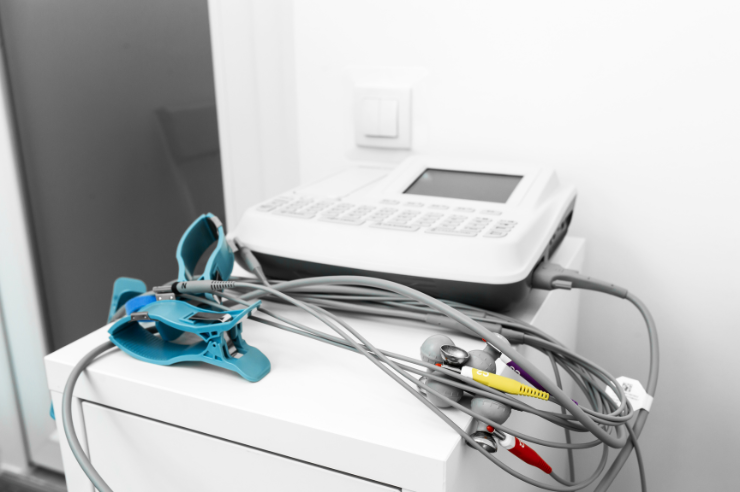
During an ECG, small sticky pads called electrodes are placed on your chest, arms and legs. Wires connect these electrodes to an ECG machine, which records the heart’s electrical activity and produces a tracing.
The test is quick, safe and does not normally cause pain. According to healthdirect, an ECG can help doctors identify problems such as irregular heart rhythms and signs of a heart attack.
When Might You Need an ECG?
Your doctor may recommend an ECG for several reasons. You might need one if you have symptoms that could be linked to your heart.
These may include:
- Chest pain or discomfort
- A fast or irregular heartbeat
- Feeling dizzy or light-headed
- Fainting
- Shortness of breath
- Unusual tiredness
- Heart palpitations
An ECG may also be recommended if you have a known heart condition or need to check how your heart is responding to certain medicines or treatment.
It is important to remember that an ECG is only one part of a health assessment. Your doctor may recommend other tests depending on your symptoms and medical history.
How Does an ECG Work?
The process is quite straightforward. First, a healthcare professional will ask you to lie down and relax. They will place electrodes on clean, dry areas of your skin.
The electrodes detect the electrical signals from your heart. The connected ECG machine then records these signals as a pattern on a screen or printed report.
You normally need to stay still and avoid talking while the recording is being taken. Movement can affect the tracing and make it harder to read.
The healthcare professional will then review the ECG. If something looks unusual, your doctor may recommend further tests.
Why Are ECG Electrodes Important?
The electrodes are an important part of an ECG test because they pick up the electrical signals from your heart.
Good skin contact is needed for a clear recording. Before the test, the healthcare professional may clean the skin or remove hair from the area if needed.
Depending on the equipment being used, different types of leads and connections may be required. For example, ECG alligator clips may be used with compatible ECG accessories and equipment.
It is important to use the correct accessories for your particular ECG machine. Always follow the manufacturer’s instructions when setting up the equipment.
What Is ECG Gel Used For?
You may also come across ECG gel when looking at ECG supplies. Conductive gel can help improve contact between certain electrodes and the skin.
Why does that matter? Good contact can help the equipment pick up electrical signals more effectively. However, the type of electrode and whether gel is required will depend on the equipment and product instructions.
Healthcare professionals should always use compatible products and follow the manufacturer’s directions.
What Can an ECG Detect?
An ECG can provide useful information about your heart’s rhythm and electrical activity. It may help a doctor identify an irregular heartbeat or signs of certain heart problems.
For example, an ECG may be used when a doctor is checking for an arrhythmia. It can also form part of the assessment when a heart attack is suspected.
However, an ECG does not show everything about your heart. Depending on your symptoms, your doctor may also recommend blood tests, an echocardiogram, a stress test or other investigations.
This is why you should not try to interpret an ECG result on your own. A trained healthcare professional should assess the tracing alongside your symptoms and medical history.
Are There Different Types of ECG Tests?
Yes. The type of ECG you receive depends on what your doctor needs to check.
A resting ECG records your heart while you are lying still. It usually takes only a short time.
An ambulatory ECG, sometimes called a Holter monitor, records your heart rhythm for a longer period while you continue with normal activities. This can be useful when symptoms come and go and may not happen during a short ECG test.
There is also a stress ECG, where your heart is monitored while you exercise. Your doctor will decide which type is appropriate for you.
What Should You Expect During an ECG?
There is usually little preparation needed for a standard ECG. You may be asked to remove some clothing so the electrodes can be placed correctly.
Once the electrodes are attached, you will be asked to remain still and breathe normally. The machine records your heart activity for a short period.
After the recording, the electrodes and leads are removed. You can normally return to your usual activities straight away after a resting ECG.
The test itself does not send electricity into your body. Instead, the equipment records the electrical activity already produced by your heart.
Choosing ECG Machines and Supplies
Healthcare facilities need equipment that is suitable for their patients and daily workload. When choosing an ECG machine, consider factors such as ease of use, display quality, portability, available connections and compatibility with accessories.
You should also consider the ECG supplies needed for regular testing. These may include electrodes, leads, cables, paper and other accessories.
Buying compatible products from a reliable medical supplier can make equipment management easier. It can also help healthcare teams keep the supplies they need available when required.
When Should You Seek Medical Help?
An ECG can be an important part of checking heart symptoms, but you should not wait for an ECG if you are experiencing a medical emergency.
If you have severe chest pain, difficulty breathing, fainting or other serious symptoms, seek urgent medical attention. In Australia, call Triple Zero (000) for an ambulance when emergency care is needed. Healthdirect advises urgent help for symptoms such as unusual heartbeats combined with chest pain, shortness of breath, dizziness or fainting.
Conclusion
An ECG is a simple and useful test that helps healthcare professionals understand the electrical activity of your heart. It can be used for many reasons, from checking unusual heart rhythms to helping assess possible heart problems.
For healthcare facilities, having dependable ECG machines and compatible supplies is just as important. Livingstone International offers a broad range of medical products and ECG equipment to support healthcare professionals across Australia.
Whether you need an ECG machine, electrodes, ECG gel or related accessories, choosing suitable products from a trusted supplier can help support efficient and reliable patient care.
FAQs
1. Is an ECG test painful?
No. A standard ECG is generally painless. Small electrodes are placed on your skin to record your heart’s electrical activity. Removing adhesive electrodes may cause minor skin discomfort.
2. How long does an ECG take?
A standard resting ECG usually takes only a few minutes to record. However, the complete appointment may take longer because the healthcare professional needs time to prepare you.
3. Can an ECG detect heart problems?
An ECG can help identify some heart rhythm and electrical problems and may show signs of a heart attack. Your doctor may order additional tests for a complete assessment.
4. What is ECG gel used for?
ECG gel may help improve electrical contact between compatible electrodes and your skin. Whether you need gel depends on the electrode and equipment being used.
5. What are ECG alligator clips?
ECG alligator clips are connection accessories used with compatible ECG equipment. They help connect certain leads or components to the required part of the ECG setup.
6. Can you go back to normal activities after an ECG?
After a standard resting ECG, you can usually return to your normal activities immediately. Your healthcare professional will tell you if any further instructions are needed.