Opening a new cafe or restaurant is exciting, but there is a lot to organise before you serve your first customer. From the kitchen and dining area to takeaway orders, small supplies can make a big difference to how smoothly your business runs.
Choosing the right products from the start can also help you avoid last-minute purchases and unnecessary costs. If you are working through the essential kitchen supplies for a new cafe, it helps to think about what your staff and customers will need every day.
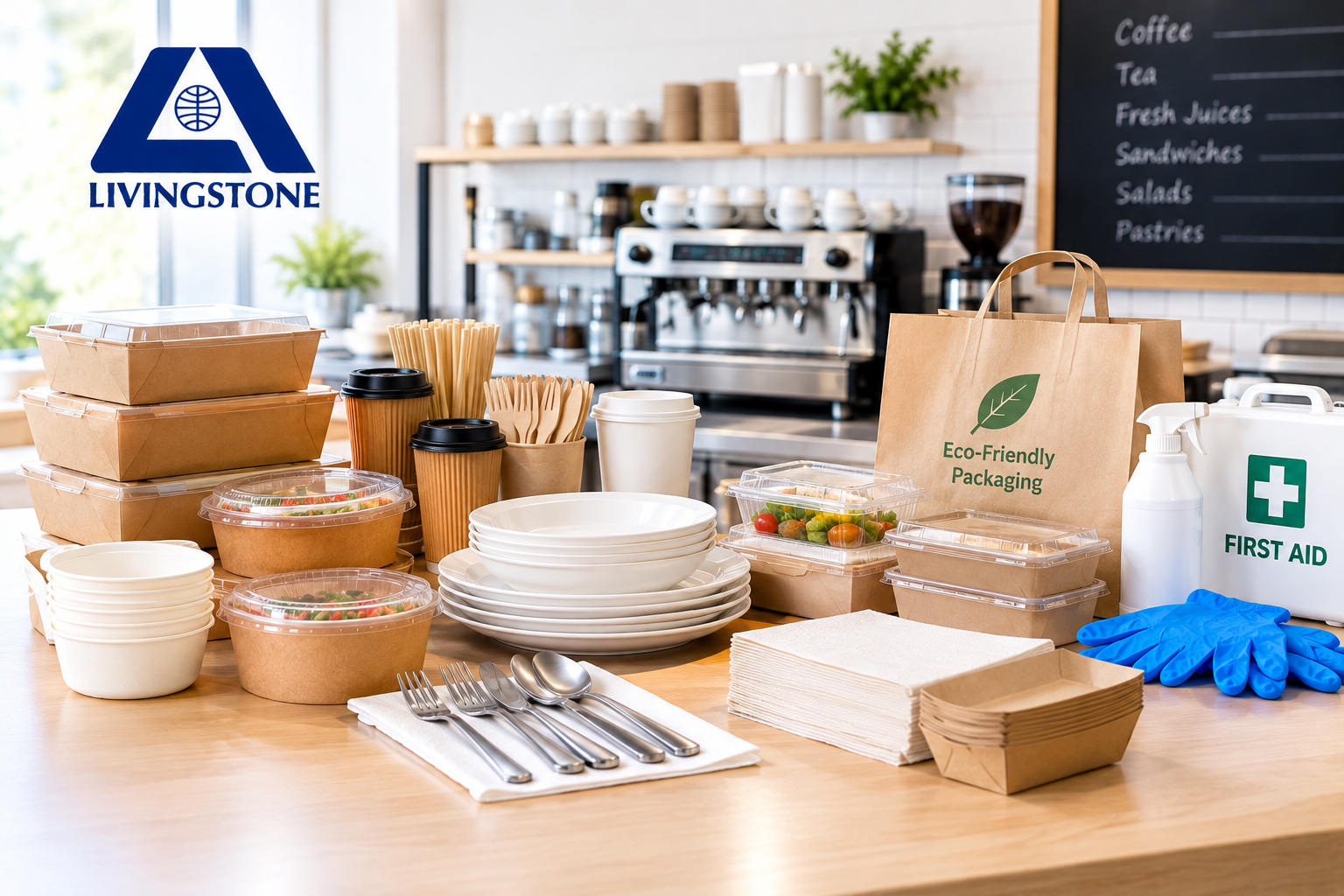
Livingstone International offers a wide range of kitchen and hospitality supplies, including food containers, cups, cutlery, plates, bags and other useful products. Having these supplies available from one source can make the setup process easier.
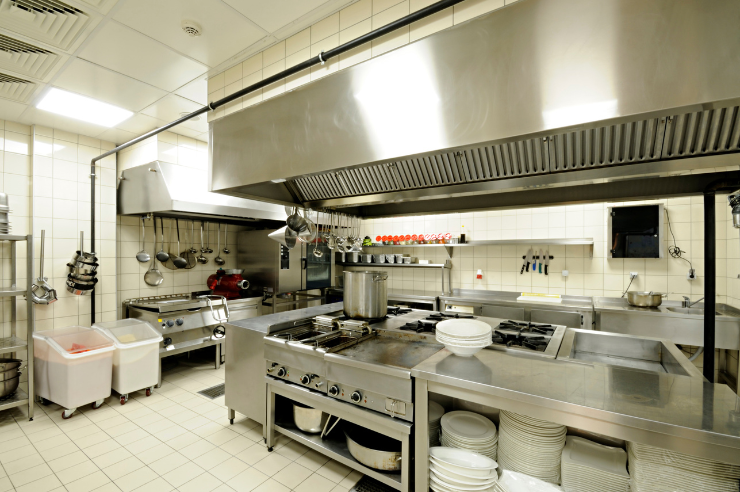
Start With Your Everyday Kitchen Needs
Before buying large quantities, think about your menu and daily operations. A small coffee shop will not need the same supplies as a busy restaurant.
Start with the items your staff will use throughout the day. This may include food preparation tools, serving items, storage containers, cups, plates and other kitchen essentials.
It is also worth considering how many customers you expect to serve. Buying too little can lead to frequent reordering, while buying too much can take up valuable storage space.
Make a basic list based on your menu, expected customer numbers and the type of service you provide. You can then add to it as your business grows.
Choose Cutlery and Crockery for Your Service Style
Cutlery and crockery are used constantly in most cafes and restaurants. Your choices should match the type of food you serve and how customers use your venue.
A useful cutlery and crockery guide for hospitality businesses should start with the basics. Consider forks, knives, spoons, teaspoons, plates, bowls, cups and serving pieces.
If your cafe mainly serves coffee, cakes and light meals, you may need a different mix from a full-service restaurant. Think about the size, shape and durability of each item.
You should also keep spare stock available. Breakages and heavy use are part of everyday hospitality operations, so having replacements ready can prevent disruption during busy periods.
Do Not Overlook Food Containers and Packaging
Takeaway service has become an important part of many cafes and restaurants. If customers regularly order food to take away, your packaging needs to be practical and reliable.
Choose containers that suit the food you serve. Hot meals, salads, sauces, desserts and drinks may all require different packaging.
Consider whether containers need to prevent leaks, hold heat or keep food separate. You should also check whether the size works for your portion sizes. Oversized packaging can create unnecessary waste, while containers that are too small can make food difficult to pack.
For businesses looking at eco-friendly packaging options for cafes, consider products made with materials that support your waste-reduction goals. It is also useful to review how your packaging is used and disposed of rather than choosing products based only on appearance.
Stock the Right Food Safety Supplies
Food safety should be part of your setup from day one. Clean equipment, suitable storage products and good hygiene practices all help protect the food you serve.
Your food safety supplies for commercial kitchens may include food-safe containers, protective covers, cleaning products, gloves, wipes and other hygiene essentials. A thermometer can also be useful for checking food temperatures where required.
Food Standards Australia New Zealand (FSANZ) states that Australian food businesses must meet food safety requirements designed to keep food safe and suitable to eat. Its guidance also covers food handling, hygiene, storage and premises requirements.
Food Standards Australia New Zealand – Food Safety Standards
For example, FSANZ advises food businesses to use food-safe containers and packaging and keep potentially hazardous food at 5°C or colder when required.
Always check the requirements that apply to your type of business and location before opening.
Think About Drinks and Serving Supplies
For cafes, drinks can be a major part of daily service. Make sure you have enough cups, lids and related accessories for the drinks on your menu.
If you serve takeaway coffee, for example, you may need different cup sizes and matching lids. Cold drinks may require separate cups, lids or straws.
Restaurants should also consider water glasses, drinkware and serving pieces. Choosing products that are easy for staff to handle and store can make service more efficient.
Buy for Busy Periods, Not Just Average Days
A common mistake when setting up a hospitality business is buying supplies based on an average day. Your busiest periods matter more.
Think about your morning rush, lunch service, weekends and special events. How many cups might you use during your busiest hour? How quickly could you go through takeaway containers?
Keep enough stock to manage busy periods without filling every storage area. A simple stock system can help you track which items are being used quickly and when they need to be reordered.
It is also worth keeping frequently used products in an easy-to-reach location. Your staff should not have to search through storage areas for basic supplies during service.
Keep Storage Simple and Organised
Good storage can save time. Group similar products together and label storage areas where needed.
Keep food packaging separate from cleaning products and other items that could cause contamination. Store products in clean, dry areas and avoid overcrowding shelves.
You should also review your stock regularly. Check expiry dates where relevant and use older stock first. This simple approach can reduce waste and help you know what needs replacing.
What Should You Buy First?
If your budget is limited, focus on products that are essential for daily operations. Start with food preparation and serving supplies, food-safe storage products, takeaway packaging if you offer takeaway service, and basic cleaning and hygiene supplies.
You do not need to buy every possible product before opening. Your menu and service model should guide your purchasing decisions.
Once you are operating, you will have a better idea of what your customers order most and which supplies your staff use the most. You can then adjust your stock levels based on real demand.
Build a Practical Kitchen Supply List
Setting up a cafe or restaurant does not mean buying the biggest range of products available. It means choosing supplies that fit your menu, service style, customer demand and budget.
Start with the essentials. Then consider packaging, serving products, food safety supplies and storage. Look for products that are practical, easy to use and suitable for regular hospitality use.
Livingstone International makes it easier to source a range of kitchen and hospitality supplies in one place, including food containers, cups, bags, cutlery and plates. By choosing the right supplies from the beginning, you can create a kitchen that is better prepared for everyday service and future growth.
FAQs
1. What are the essential kitchen supplies for a new cafe?
Essential supplies can include food preparation items, storage containers, cups, plates, cutlery, takeaway packaging, cleaning products and food safety supplies. Your menu should guide the final list.
2. How much cutlery and crockery should a restaurant buy?
The amount depends on your seating capacity, customer numbers and washing schedule. Keep enough stock for busy periods and allow extra pieces for breakages and replacements.
3. What packaging does a cafe need for takeaway food?
A cafe may need containers for meals, salads and desserts, along with takeaway cups, lids, bags and other accessories. Choose packaging based on your menu and portion sizes.
4. What food safety supplies does a commercial kitchen need?
Common supplies include food-safe storage containers, protective covers, cleaning products, hygiene items and thermometers. Requirements can vary depending on your food handling activities.
5. Are eco-friendly packaging options suitable for cafes?
Yes. Cafes can consider packaging made from materials that support their waste-reduction goals. However, products should still be suitable for the food, storage and service requirements.
6. When should a new cafe reorder kitchen supplies?
Review your stock regularly and track products that are used quickly. Reorder before reaching your minimum stock level, especially for items needed during busy service periods.