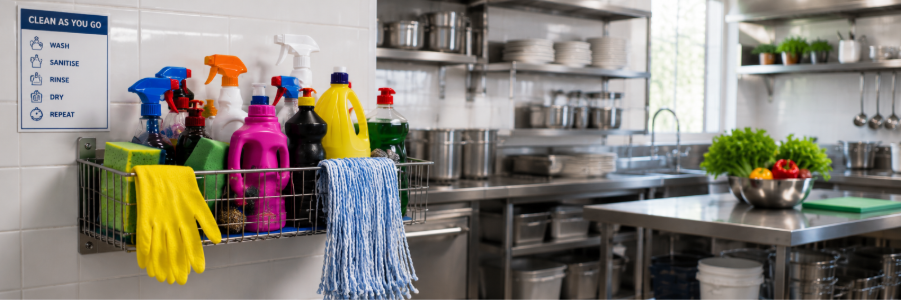
Keeping kitchens clean requires more than effective detergents. The right cleaning tools help protect hands, remove stubborn grime, and maintain hygienic food preparation areas. Whether you’re managing a commercial kitchen, healthcare facility, aged care home, school canteen or cleaning at home, selecting durable cleaning equipment improves both safety and efficiency.
For demanding cleaning tasks, Livingstone’s Blue Rubber Gloves provide dependable hand protection against moisture, grease, and cleaning chemicals. When tackling burnt-on food or stubborn residue, pairing them with Livingstone’s Stainless Steel Scourer help achieve a deeper clean while protecting your hands throughout the task.
What makes rubber gloves essential for tough kitchen cleaning?
Rubber gloves protect hands from detergents, hot water, grease, and prolonged moisture while improving grip during demanding cleaning tasks. They also help reduce skin irritation and support safer hygiene practices in food preparation environments. Kitchen cleaning often involves exposure to harsh cleaning agents, greasy cookware, and repeated hand washing. Without suitable protection, these conditions can dry the skin and increase the risk of irritation.
Reusable rubber gloves provide a durable barrier while allowing users to maintain a secure grip on wet dishes, utensils, and cooking equipment. Blue rubber gloves are particularly popular in commercial food environments because the colour supports food safety practices by making accidental contamination easier to detect. For businesses with regular cleaning schedules, quality reusable gloves also provide better long-term value than continually replacing disposable alternatives.
Why are blue rubber gloves commonly used in food preparation areas?
Blue rubber gloves are widely used because their distinctive colour supports food safety practices while offering durable protection for frequent cleaning, washing, and sanitising tasks. Unlike colours commonly associated with food, blue stands out if fragments are accidentally introduced into food preparation areas. Many commercial kitchens also incorporate colour-coded cleaning systems to help separate tasks and minimise cross-contamination.
Blue rubber gloves are suitable for:
- Commercial kitchens
- Hospitals and healthcare facilities
- Aged care kitchens
- School and university food preparation areas
- Hospitality venues
- Home kitchens
Combined with proper hand hygiene, they support cleaner and safer food handling practices.
What cleaning jobs require a stainless steel scourer?
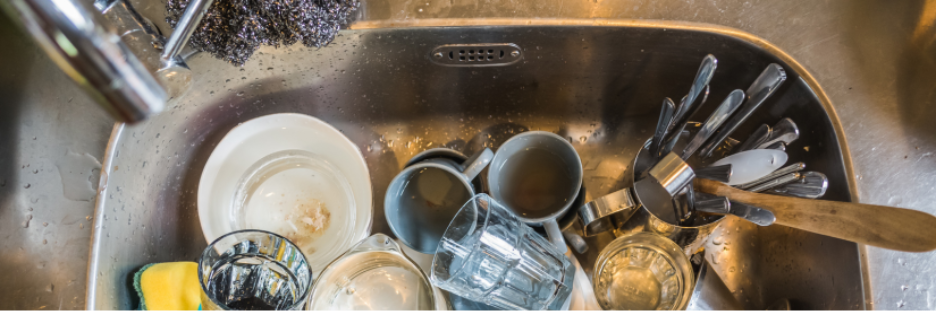
Stainless steel scourers are designed to remove burnt food, baked-on grease and stubborn residue from durable cookware and cooking equipment where soft sponges cannot provide enough scrubbing power. Even with quality cleaning chemicals, heavily soiled cookware often requires additional mechanical cleaning.
A stainless steel scourer delivers powerful abrasion for cleaning:
- Stainless steel pots and pans
- Oven racks
- Grill plates
- Barbecue surfaces
- Cast iron cookware
When paired with protective rubber gloves, users can scrub more effectively while reducing direct contact with grease, detergents, and hot water.
Which surfaces should not be cleaned with a stainless steel scourer?
Stainless steel scourers should not be used on non-stick cookware, polished surfaces or delicate finishes because the abrasive fibres may scratch or permanently damage these materials. Before cleaning, always check the manufacturer’s care instructions.
For delicate cookware, use softer cleaning pads instead. Stainless steel scourers are best reserved for heavy-duty cleaning where durable metal surfaces can withstand vigorous scrubbing.
How do rubber gloves and stainless steel scourers improve cleaning efficiency?
Rubber gloves protect the user while stainless steel scourers remove stubborn residue quickly. Together they improve cleaning efficiency, reduce fatigue, and support hygienic kitchen maintenance.
Cleaning heavily soiled cookware often requires firm pressure and prolonged scrubbing. Wearing rubber gloves improves grip and comfort, allowing users to clean more efficiently without exposing their hands to cleaning chemicals or excessive moisture. This combination is particularly valuable in busy commercial kitchens where equipment must be cleaned thoroughly between food preparation tasks.
How can the right cleaning tools support food safety?
Using suitable cleaning equipment helps remove food residue effectively, supports cleaning protocols, and contributes to reducing cross-contamination risks in food preparation environments. Food Safety Standards Australia New Zealand recommends effective cleaning and sanitising of food contact surfaces before food preparation resumes. Removing grease and burnt residue allows sanitisers to work more effectively on clean surfaces.
To maintain hygiene:
- Wash reusable rubber gloves after each use.
- Replace gloves showing signs of wear or damage.
- Rinse stainless steel scourers thoroughly after cleaning.
- Allow scourers to dry completely between uses.
- Replace scourers when fibres become excessively worn.
Maintaining cleaning equipment is just as important as selecting quality products.
How should reusable rubber gloves be stored?
Reusable rubber gloves should be cleaned, dried completely, and stored away from direct sunlight and excessive heat to maximise durability and maintain hygienic performance. Proper storage prevents premature deterioration of the rubber and helps maintain flexibility over repeated use. Likewise, stainless steel scourers should be stored in a dry location to minimise corrosion and prolong their cleaning effectiveness.
Why are quality cleaning tools a worthwhile investment?
Durable cleaning tools improve workplace safety, cleaning efficiency, and hygiene while reducing replacement frequency and supporting consistent cleaning standards across commercial and domestic kitchens. High-quality rubber gloves protect workers during repetitive cleaning tasks, while durable stainless steel scourers remove stubborn residue without relying solely on harsh chemicals. Whether cleaning a restaurant kitchen, healthcare facility, aged care kitchen or home cooking area, investing in dependable cleaning equipment supports better hygiene outcomes and more efficient daily cleaning routines.
References
- Food Standards Australia New Zealand (FSANZ) 2023, Safe Food Australia: A Guide to the Food Safety Standards, viewed 30 July 2026.
- Safe Work Australia 2024, Model Code of Practice: Managing Risks of Hazardous Chemicals in the Workplace, viewed 30 July 2026.