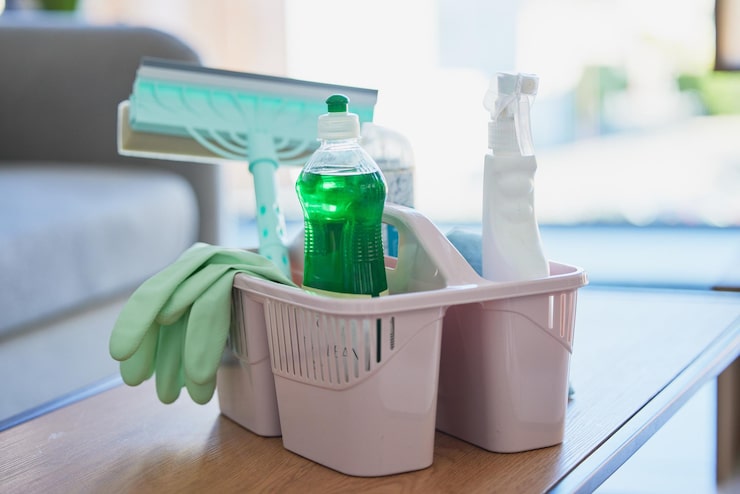
A spill rarely arrives at a convenient time. A bag splits beside a production line, powdered material drops across a preparation bench, or loose debris needs to be collected before the area can return to normal use. The first response is often to reach for whatever tool is closest, but that can spread the material, damage a surface, or create unnecessary contact with the substance.
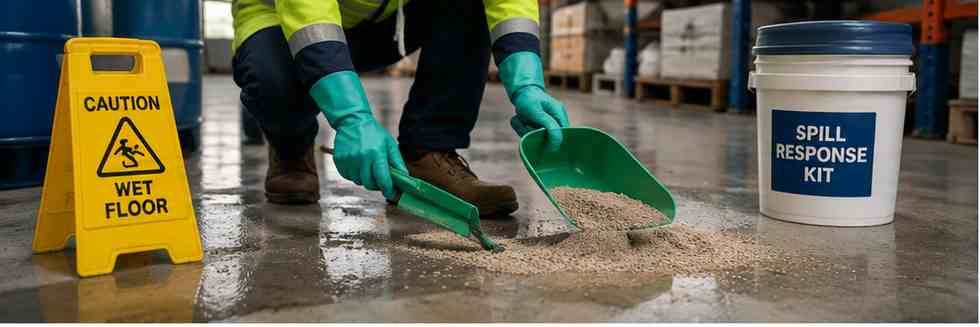
A dedicated spill scoop and scraper gives staff a practical way to gather suitable loose material without relying on hands, cardboard or improvised utensils. The Livingstone Scoop and Scraper Set provides a practical scoop and scraper combination for suitable workplace clean-up tasks. Workplaces should always follow their established cleaning procedures and ensure the tool is appropriate for the material being handled.
Its value is straightforward: use the right tool for the material, then follow the cleaning procedure required for the workplace. Workplaces comparing sizes, colours or related handling tools can also review Livingstone’s Scoop and Scraper Range for other available options.
What Is a Spill Scoop and Scraper Used For?
A spill scoop and scraper is used to gather suitable loose, dry or semi-solid material from floors, benches and work surfaces. The scraper helps move residue into a manageable pile, while the scoop provides a larger surface for collecting and transferring the material into an appropriate container.
The two tools perform slightly different jobs.
A broad scoop can collect a larger quantity once the material has been contained. A smaller scraper is useful around edges, corners or thinner residue that cannot be picked up efficiently with the scoop alone.
- collecting spilled powders or dry ingredients
- gathering loose production material
- removing suitable residue from a work surface
- transferring collected material into a waste container
- assisting with pre-cleaning before washing and sanitising
That last point matters in food handling areas. Food Standards Australia New Zealand states that cleaning includes removing dirt, grease and food waste before sanitising, and recommends scraping or wiping food scraps from utensils as part of pre-cleaning.
A scoop and scraper can therefore form one practical part of a broader cleaning procedure rather than replacing washing or sanitising.
How Does a PVC Spill Clean Up Set Fit Into a Cleaning Procedure?
A PVC spill clean up set can help with the physical collection stage of routine spill management. It should be used after the spill has been assessed and before any required washing or sanitising. The tool itself must also be cleaned appropriately after use to avoid carrying residue elsewhere.
Think of spill management as a sequence rather than a single action.
- identifying what has been spilled
- restricting unnecessary access to the area
- gathering the material with appropriate tools
- placing it into the correct waste or recovery container
- cleaning the affected surface
- sanitising the surface where required
- cleaning and storing the scoop and scraper
In food businesses, surfaces and equipment need to remain clean, and food-contact surfaces must also be sanitary when required. FSANZ distinguishes cleaning, which removes food waste and residue, from sanitising, which reduces microorganisms after cleaning.
This is why a scraper should not simply be used to move a spill aside. The collected material still needs to be handled according to the workplace’s cleaning and waste procedures.
Can a Spill Scoop and Scraper Be Used for Hazardous Chemical Spills?
A scoop and scraper should not automatically be used for every chemical spill. Before handling a hazardous substance, workers should check the safety data sheet, workplace spill procedure, required PPE and material compatibility. Some chemicals require specialised absorbents, non-reactive tools or emergency equipment rather than general cleaning utensils.
This distinction is especially important in laboratories, manufacturing facilities, healthcare sites and industrial workplaces.
Safe Work Australia advises that emergency equipment for hazardous chemical spills must suit the type and quantity of chemicals present. Equipment used during spill response should also be compatible with the chemical it may contact.
The SDS should be checked before a hazardous chemical is handled. It contains information on hazards, safe handling, accidental release measures, personal protection and disposal.
- corrosive acids or alkalis
- oxidising chemicals
- flammable liquids
- cytotoxic materials
- infectious or biological spills
- unknown substances
For these situations, follow the site-specific spill response procedure and use equipment approved for that hazard.
Why Is Using Dedicated Spill Tools Better Than Improvising?
Dedicated spill tools create a more controlled way to gather material and reduce reliance on improvised items such as cardboard, food containers or general-purpose utensils. Keeping purpose-selected tools available also makes it easier to separate spill equipment from equipment used for food preparation, production or other routine tasks.
Improvisation can create several problems.
A piece of cardboard may bend or tear. A food scoop borrowed from preparation work can create cross-contamination concerns. Using bare hands increases unnecessary contact with the material. A tool returned to normal production without proper cleaning can move residue into another area.
NSW Food Authority guidance emphasises keeping kitchen equipment and tools clean and dry after use and avoiding cross-contamination between different food-handling activities.
Dedicated spill equipment also makes responsibilities clearer. Staff know which tools are intended for clean-up, where they are stored and where they should be returned.
Colour coding can add another layer of separation where a workplace already uses a documented colour-control system, although the meaning of each colour should be defined locally rather than assumed.
What Should You Look for When Choosing a Spill Scoop and Scraper?
Choose a scoop and scraper according to the materials handled, surface type, cleaning process, storage requirements and any contamination controls used at the site. Size and shape should make collection practical, while the tool material must be appropriate for the substance and environment in which it will be used.
The featured Livingstone set combines a larger scoop with a smaller scraper, giving the user two working surfaces rather than a single flat utensil.
- scoop and scraper dimensions
- rigidity and thickness
- ease of washing
- storage location
- colour requirements
- compatibility with the material being handled
- whether separate sets are needed for different work zones
For food processing and manufacturing sites, it may make sense to allocate separate tools to different production areas rather than moving one set throughout the facility.
Organisations comparing formats can also review Livingstone’s range of scoops and related handling products to match the tool to the task.
How Should a Scoop and Scraper Be Cleaned After a Spill?
After use, remove all visible residue and clean the scoop and scraper according to the workplace procedure and the material involved. Where the tools are used around food-contact environments, cleaning may need to be followed by sanitising before the set is dried and returned to its designated storage area.
Cleaning the spill but ignoring the tool creates another potential contamination point.
FSANZ advises that utensils should first be cleared of visible residue, then washed and, where required, sanitised. Air drying is preferred after sanitising.
- remove remaining material promptly
- wash with an appropriate detergent
- rinse thoroughly
- sanitise where workplace procedures require it
- allow the tools to dry fully
- inspect for cracks, damage or embedded residue
- store away from contaminated equipment
If the set has contacted a hazardous chemical, follow the SDS and site procedure rather than automatically washing and reusing it. Some contamination may require controlled disposal instead.
When Does It Make Sense to Buy Spill Scoops Online in Bulk?
Facilities may choose to buy spill scoops online in larger quantities when multiple departments, production zones or cleaning stations need dedicated sets. Before ordering, determine how many separate work areas require tools, whether colour separation is used and how frequently damaged or contaminated sets are likely to need replacement.
Bulk purchasing makes most sense when it follows an actual site plan.
A single food processing facility may need separate tools for ingredient handling, waste collection and cleaning stations. A laboratory may require dedicated equipment for selected non-hazardous materials while keeping specialist spill kits for chemicals. Manufacturing environments may position sets near areas where powders or dry materials are routinely handled.
The aim is not to put a scoop everywhere. It is to have suitable equipment available where predictable spills occur.
References
Food Standards Australia New Zealand 2025, Cleaning and sanitising, Food Standards Australia New Zealand, viewed 27 August 2026.
Food Standards Australia New Zealand 2024, Safe Food Australia, Standard 3.2.2, Food Standards Australia New Zealand, viewed 27 August 2026.
NSW Food Authority n.d., Cleaning and hygiene, NSW Food Authority, viewed 27 August 2026.
Safe Work Australia 2023, Model Code of Practice: Managing the Risks of Hazardous Chemicals in the Workplace, Safe Work Australia, viewed 27 August 2026.