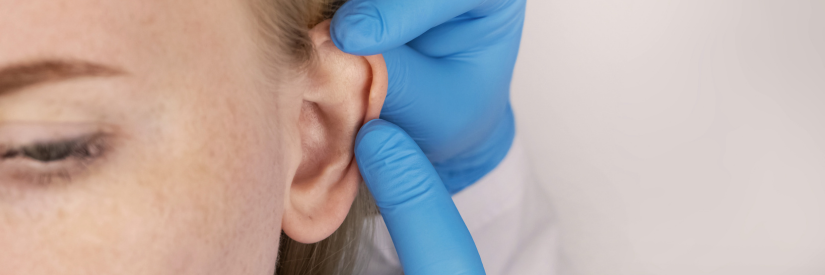
A rubber dam may look simple once it is in place, but reliable isolation depends on several instruments working together. The clamp has to be selected, opened, carried into the mouth and seated in a controlled way before the dam can perform its role around the treatment area. Rubber dam forceps are designed for this specific stage of the process.
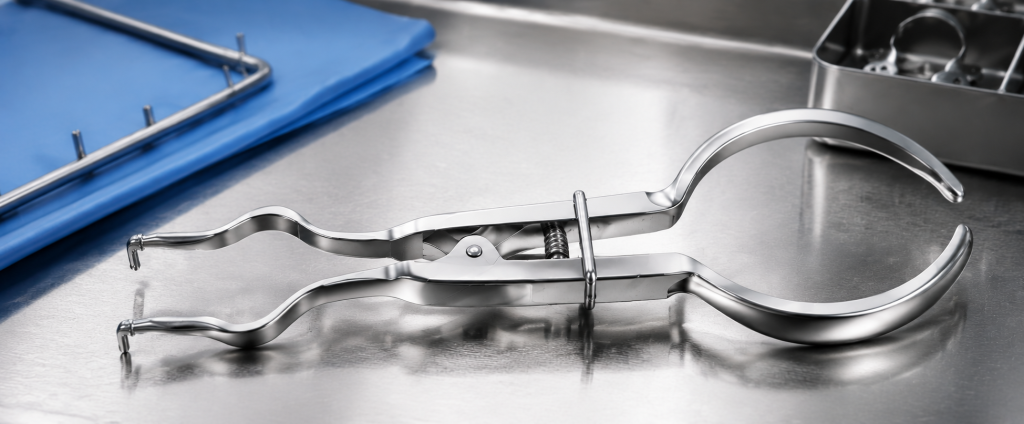
That moment matters because the clamp is under spring tension and must be guided accurately without losing control. A forceps that engages securely and opens smoothly gives the operator a more predictable way to manage the clamp while maintaining clear sight of the placement area.
For practices reviewing their isolation setup, the Livingstone Rubber Dam Forceps provide a purpose-designed option for handling rubber dam clamps. The product is listed at 81g and supplied individually. Rather than treating forceps as a minor accessory, it is useful to understand how their design, handling and condition can influence clamp placement, removal and the consistency of the overall isolation technique. Related isolation instruments can also be reviewed in Livingstone’s Rubber Dam and Retraction Collection.
What Are Rubber Dam Forceps and How Do They Work?
Rubber dam forceps are dental instruments used to engage, open, carry and release rubber dam clamps during isolation. Their working tips fit into the clamp holes, allowing the operator to expand the clamp under controlled hand pressure and position it around the selected tooth before disengaging the instrument.
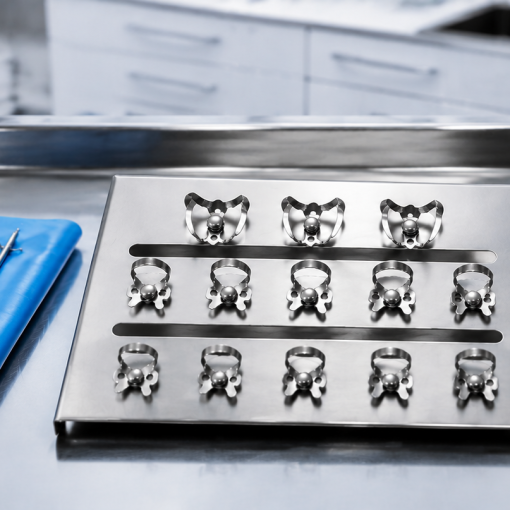
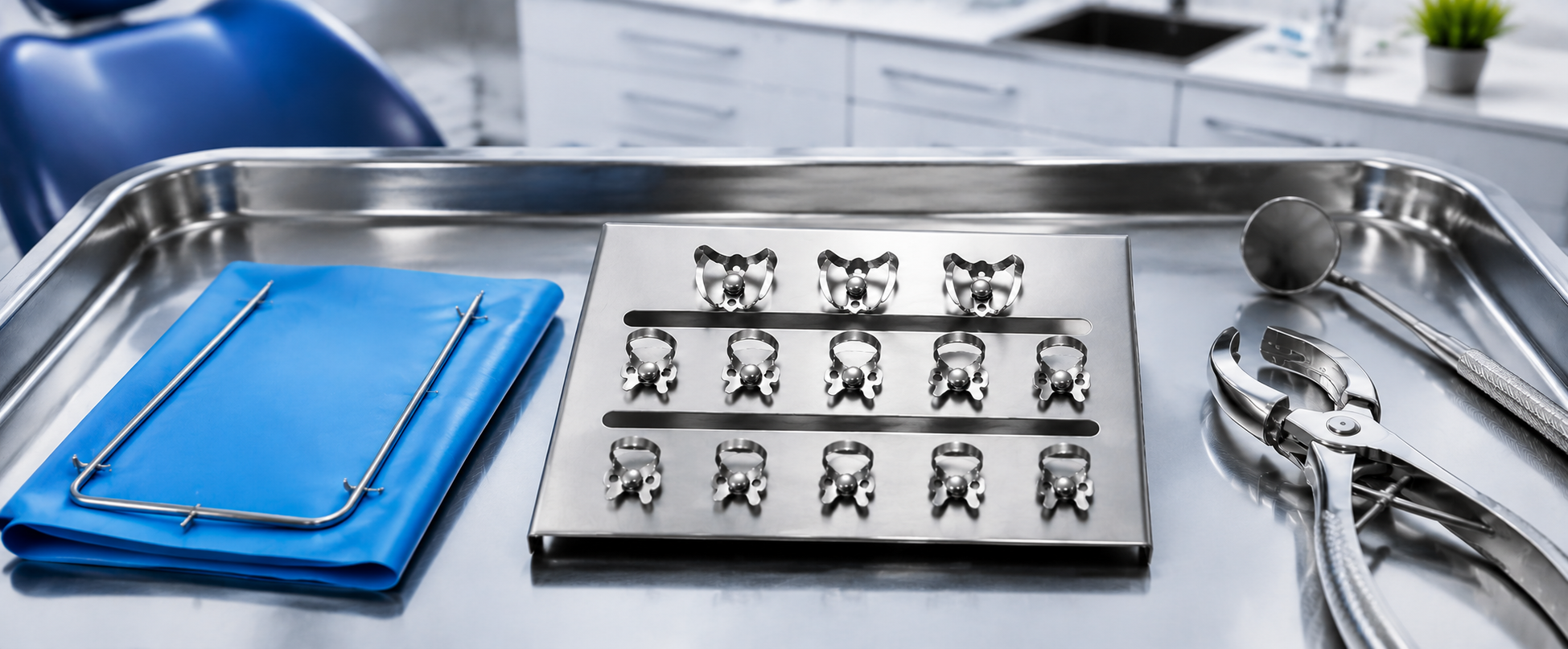
The forceps are one part of a broader rubber dam setup that commonly includes the dam sheet, punch, frame, clamp and dental floss. During placement, the instrument gives the operator a mechanical way to control the spring tension of the clamp rather than trying to manipulate the clamp directly with the fingers.
Once the clamp is positioned and its stability has been checked, the forceps are disengaged without disturbing the clamp. The same instrument may later be used to expand and remove the clamp. This repeated role makes secure tip engagement and predictable opening movement important throughout the isolation sequence.
Why Are Brewer Rubber Dam Forceps Used for Clamp Placement?
Brewer rubber dam forceps are used because their form is intended to provide controlled access to a rubber dam clamp while the clamp is opened and positioned. The design lets the operator maintain a grip on the clamp through the forceps tips while guiding it towards the intended tooth.
Clamp placement requires more than simply opening the clamp as widely as possible. The operator needs enough opening to pass the clamp over the tooth while maintaining visual control and avoiding unnecessary contact with nearby soft tissues. A forceps pattern that feels stable in the hand can make this movement easier to manage.
The Livingstone Brewer model is specified as 17.5cm long with a 3cm mouth opening width. Those dimensions help define the physical configuration being selected. Suitability still depends on the clamp, tooth position, access and the technique being used, so instrument dimensions should be considered alongside the rest of the rubber dam system.
When Should Rubber Dam Forceps Be Used During Dental Treatment?
Rubber dam forceps should be used whenever a rubber dam clamp needs to be opened, carried, seated or removed as part of the chosen isolation technique. They are relevant to single-tooth and multi-tooth isolation procedures where a clamp is used to retain the dam around the treatment area.
Rubber dam isolation is used across procedures where control of the operating field is important, including restorative dentistry and endodontic treatment. The precise sequence can vary. Some techniques place the clamp first and stretch the dam over it, while others carry a winged clamp and dam together before seating the assembly.
In either approach, the forceps should be used as part of a planned clamp-placement technique rather than as a substitute for correct clamp selection. The clamp still needs to fit the tooth securely, and the operator should verify stability after placement before continuing with the procedure.
What Features Should You Check When Choosing Rubber Dam Forceps?
When choosing rubber dam forceps, check the forceps pattern, overall dimensions, mouth opening, tip condition, opening action and compatibility with the clamps used in the practice. The instrument should allow secure engagement and controlled release without requiring awkward hand positioning or excessive force during routine clamp placement.
Product dimensions can help narrow the choice before purchase. The Livingstone Brewer forceps are listed at 17.5cm in length, with a 3cm mouth opening and a weight of 81g. These specifications provide a practical reference when comparing the instrument with an existing setup or replacing a familiar forceps pattern.
For practices planning to buy rubber dam forceps online, it is also useful to review the surrounding isolation equipment rather than selecting the forceps in isolation. Livingstone groups related items within its rubber dam and retraction collection, allowing clamps, dams and associated instruments to be considered together when building or replenishing a clinical set.
What Common Mistakes Should Be Avoided When Using Rubber Dam Forceps?
Common mistakes include incomplete engagement of the forceps tips in the clamp holes, opening the clamp more than necessary, moving the clamp without adequate visibility and disengaging the forceps before the clamp is stable. Each of these can reduce control during placement and make the isolation sequence less predictable.
Before moving towards the tooth, confirm that both working tips are seated securely in the clamp. A poorly engaged clamp can slip from the instrument as tension is applied. Controlled opening is preferable to excessive expansion, which can make the clamp harder to guide and may place unnecessary stress on the clamp or instrument.
Removal deserves the same attention as placement. Re-engage the clamp securely, expand it only as required to clear the tooth and withdraw it under visual control. If the forceps tips are worn, damaged or no longer engage consistently, the instrument should be assessed before further clinical use rather than worked around.
How Should Rubber Dam Forceps Be Cleaned and Reprocessed?
Rubber dam forceps used as reusable clinical instruments should be reprocessed between patients according to the manufacturer instructions, the practice infection prevention procedures and applicable Australian requirements. Cleaning, inspection and the required disinfection or sterilisation process should be completed before the instrument returns to the clean clinical supply.
Australian infection prevention guidance applies across healthcare settings, including dental practices, and emphasises risk-based management of reusable medical devices. After use, forceps should move through the practice’s established contaminated-instrument workflow. The instrument should be cleaned effectively so visible soil and residues do not interfere with subsequent processing or inspection.
Inspection is particularly relevant around the working tips, joint and moving surfaces because these areas affect both reprocessing and function. Follow the forceps manufacturer’s validated instructions for the appropriate processing method. Instruments that are damaged, corroded, difficult to operate or unable to engage clamps securely should be removed from routine use and assessed.
Why Do Reliable Rubber Dam Forceps Matter in Daily Dental Practice?
Reliable rubber dam forceps matter because clamp placement is a small but critical part of achieving predictable isolation. An instrument that engages the clamp securely, opens smoothly and matches the practice’s preferred technique can help maintain control from initial clamp positioning through to safe removal at the end of treatment.
Good isolation depends on the complete system rather than one instrument alone. Appropriate clamp selection, correct dam preparation, stable clamp seating, an effective seal and careful clinical technique all remain important. Forceps contribute by giving the operator controlled handling of the clamp at the moments when spring tension and precise positioning must be managed together.
The Livingstone Rubber Dam Forceps, Brewer provide a clearly specified option for practices reviewing their rubber dam instruments, with a 17.5cm length, 3cm mouth opening and 81g listed weight. When selecting or replacing forceps, match the instrument to the clamps, technique and reprocessing workflow already used in the practice. The practical goal is simple: dependable clamp control as part of a consistent isolation setup.
References
Australian Commission on Safety and Quality in Health Care 2026, Australian Guidelines for the Prevention and Control of Infection in Healthcare, viewed 26 August 2026.
Australian Dental Association 2026, Policy Statement 6.1: Infection Prevention and Control, viewed 26 August 2026.
Australian Dental Association NSW n.d., Rubber Dam Techniques for Predictable Isolation, viewed 26 August 2026.