Maintaining a controlled treatment area is important during many restorative and endodontic dental procedures. Saliva and moisture can interfere with visibility and may affect procedures where a clean, dry operating field is required. Dental isolation techniques help separate selected teeth from surrounding oral tissues so clinicians can work with improved access and greater control.
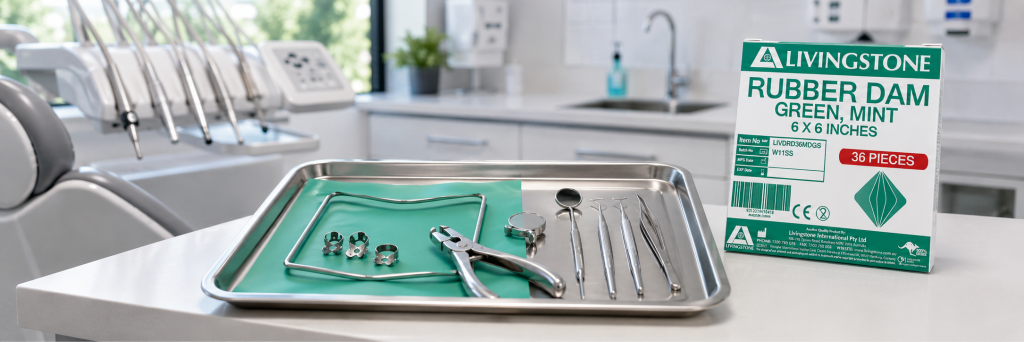
For practices considering isolation supplies, Livingstone Non-Latex Dental Dams provide an option for creating a physical barrier around the treatment area during suitable procedures. Dental teams and procurement professionals can also review the broader Livingstone dental dam collection when selecting isolation products according to material type, procedure requirements and clinical preferences.
Different isolation methods may be appropriate depending on the treatment being performed. Cotton rolls, suction systems and dental dams can each contribute to moisture control, but a dental rubber dam provides a more defined physical separation between selected teeth and the surrounding oral environment.
What is dental isolation?
Dental isolation refers to techniques used to separate or control the area where treatment is taking place. Depending on the procedure, the goals may include moisture control, better visibility, access to the tooth, retraction of surrounding tissues and protection of the patient from small materials or instruments.
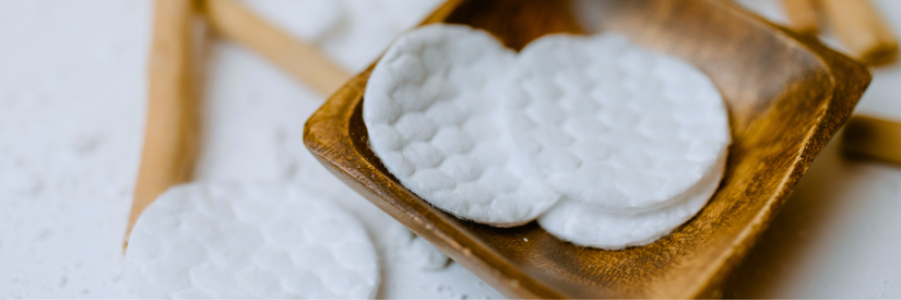
Common approaches include cotton rolls, absorbent pads, saliva ejectors, high-volume suction and dental dams. These methods are not interchangeable in every situation. The treating clinician selects an approach according to the procedure, the tooth location, the patient’s needs and the materials being used.
How does a rubber dam work?
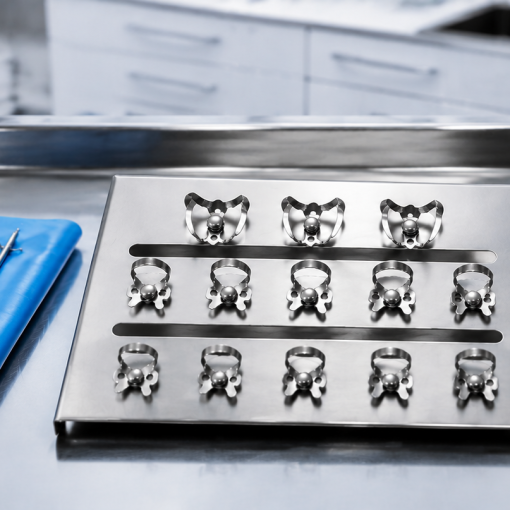
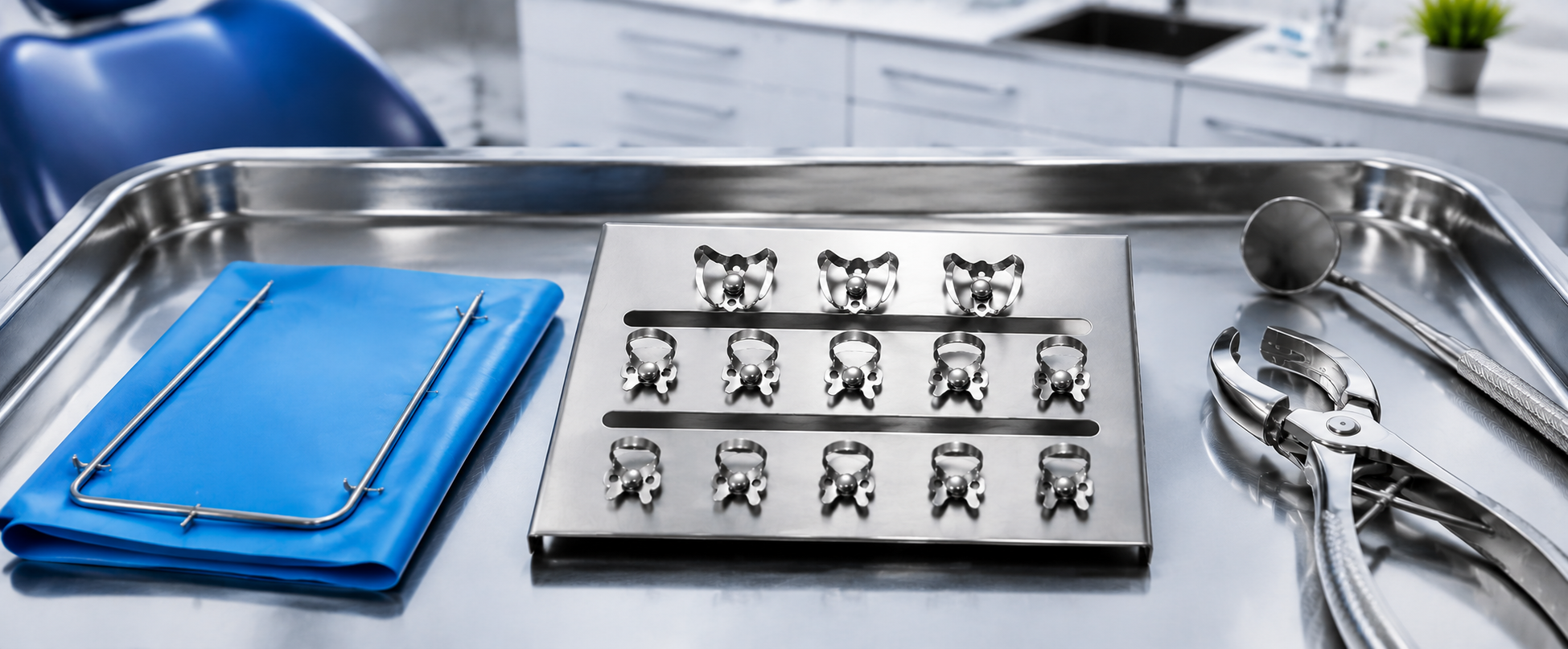
A dental rubber dam is a flexible sheet positioned around one or more teeth. Small openings are prepared so the selected teeth can pass through the sheet, after which clamps and a frame may be used to stabilise the dam and keep the working area accessible.
This arrangement separates the treatment site from much of the tongue, cheeks, saliva and surrounding oral environment. The Australian Dental Association notes that rubber dams are used for procedures including root canal treatment, fillings, crown and bridge work and veneer placement.
Why is moisture control important?
Some dental procedures and materials require careful control of saliva or blood. A rubber dam provides a physical method of separating the selected tooth from oral fluids, helping the dental team maintain a drier field for appropriate procedures.
Isolation can also improve visibility. By keeping the tongue and surrounding soft tissues away from the treatment area, the operator gains a more defined view and may need less repeated repositioning. This can support an organised workflow during procedures that require concentration on a small area.
How can a rubber dam support patient protection?
The Australian Dental Association identifies another important benefit of rubber dam use: it creates a barrier between the treatment area and the rest of the mouth. During procedures involving small instruments or treatment materials, this barrier helps reduce the chance of items moving towards the throat.
Rubber dam use does not remove the need for careful clinical technique, suction or other safety controls. Instead, it works with these measures to create a more controlled treatment environment.
When is rubber dam isolation particularly important?
Rubber dam isolation is closely associated with endodontic treatment. The Australian Dental Association states that rubber dam use is mandatory in Australia during root canal treatment. Its role is to keep saliva and oral bacteria away from the tooth being disinfected while separating small instruments and irrigating solutions from the rest of the mouth.
Isolation can also be valuable during selected restorative and adhesive procedures where moisture control is important. Suitability should always be determined by the treating practitioner based on the specific clinical situation.
Latex or non-latex dental dam: what is the difference?
Dental dam products can be manufactured from different materials. Traditional options may be made from latex, while non-latex alternatives are also available. Some latex products may be marketed as a mint flavoured latex dam sheet, but that description should only be used when it matches the actual product specification.
The Livingstone product linked in the introduction is specifically a non-latex purple dental dam supplied in a box of 15. It should therefore not be described as mint flavoured or latex. This distinction is important for clinicians and procurement teams because product composition can affect patient suitability and purchasing decisions.
What should practices consider when buying dental dams?
Practices looking to buy dental rubber dam online should confirm the material composition, sheet dimensions, thickness, colour, packaging quantity and compatibility with their existing dam frames, clamps and clinical techniques. Latex considerations should be checked carefully where relevant.
Procurement decisions should also reflect the procedures regularly performed in the practice. Selecting a product based on verified specifications helps avoid mismatches between the item ordered and the clinical application for which it is intended.
References
- Australian Dental Association (n.d.) Rubber Dam for Dental Treatment, Teeth.org.au, viewed 18 August 2026.
- Australian Dental Association (n.d.) Root Canal Treatment, Teeth.org.au, viewed 18 August 2026.