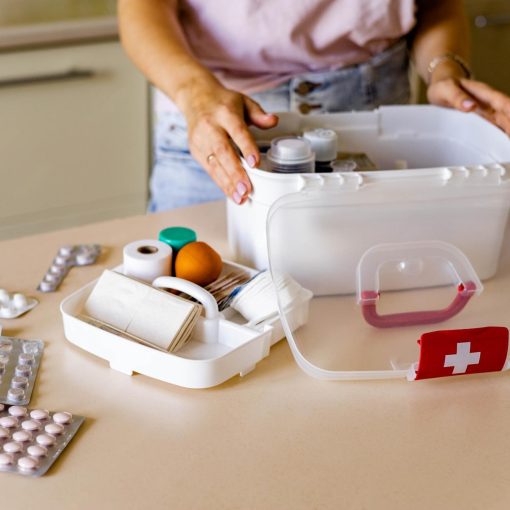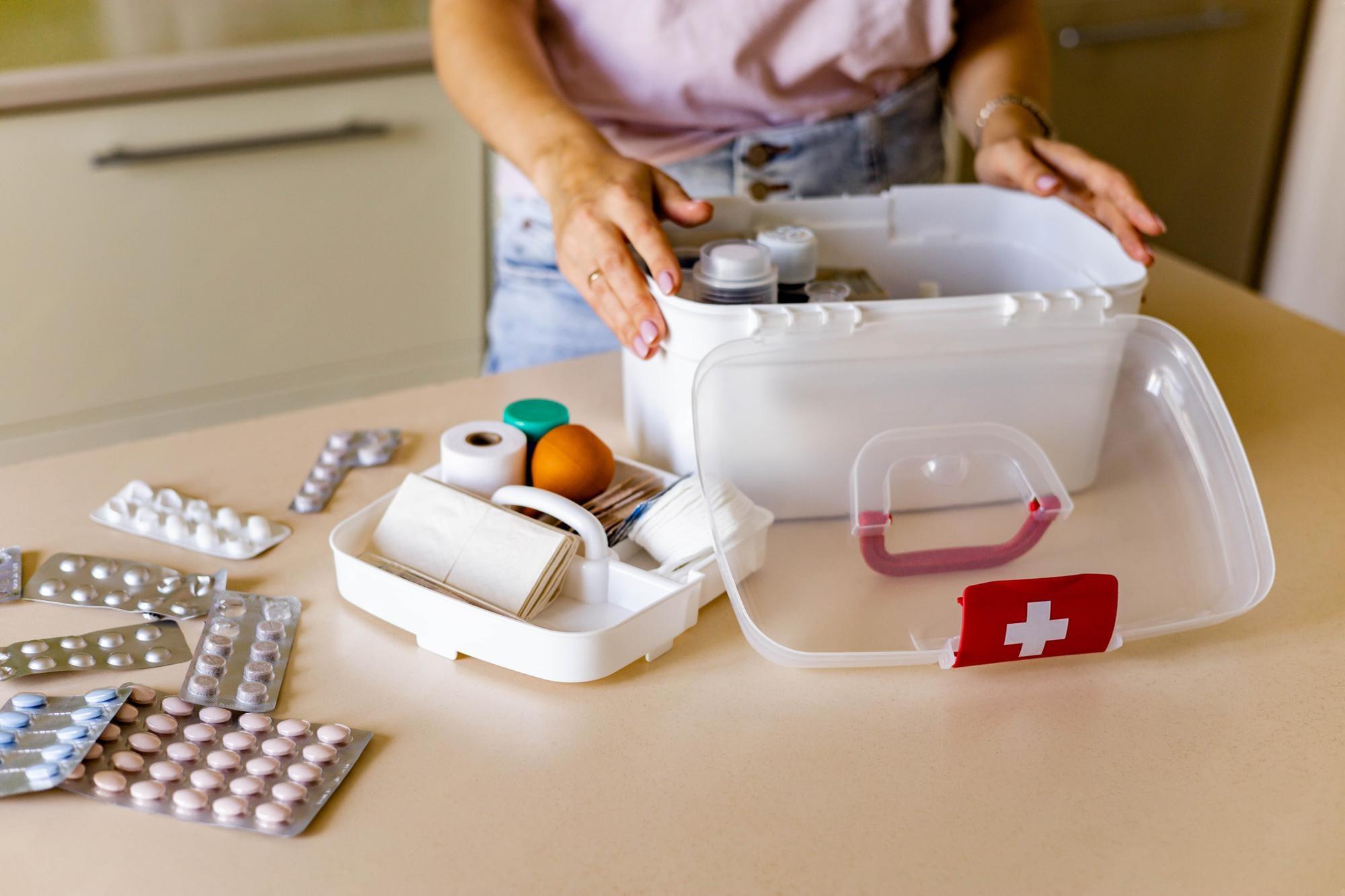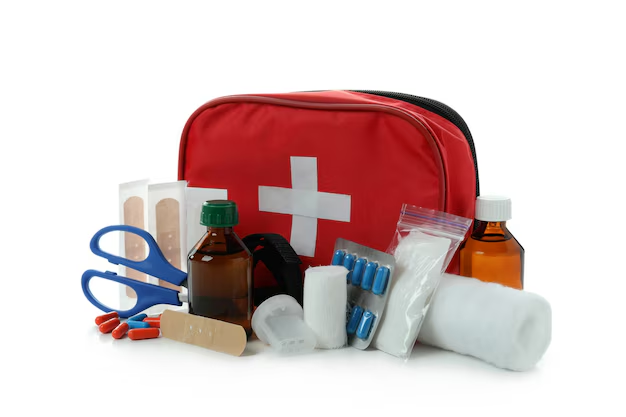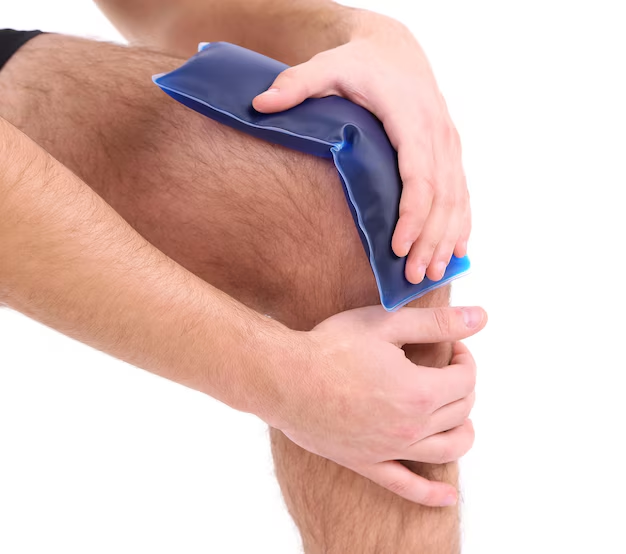
The empty space in a first aid case can be a useful sign that it is time to restock. A cold pack may have been used after training; dressings may be gone after weekend games, or gloves may have been opened during an event. The case itself can still be in good condition even when its contents are no longer complete.
For clubs, schools, gyms and recreation facilities using a Livingstone sport first aid kit, a refill can be a practical alternative to replacing the entire case. The Livingstone Sports First Aid Complete Set Refill is designed to replenish an existing sports first aid case with supplies used for cuts, sprains, strains, bruises and other common sporting incidents.
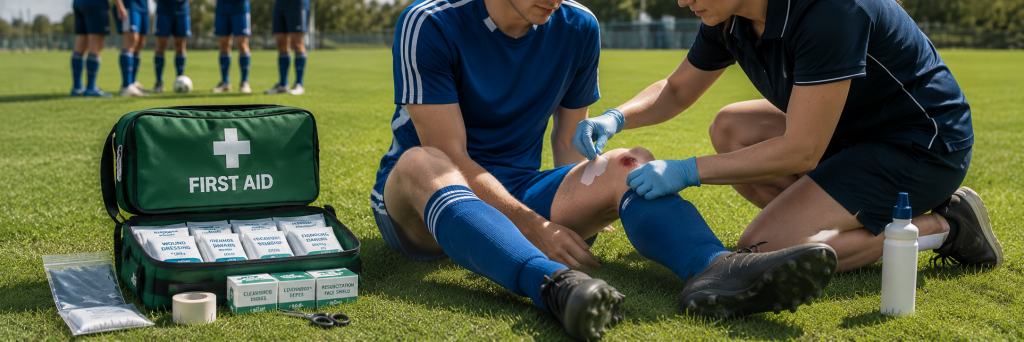
The decision comes down to the condition of the case and the stock inside it. If the container is clean, secure and suitable for the setting, restoring its contents can be more appropriate than purchasing another complete kit. Organisations can also compare the available options in the Livingstone First Aid Kits collection when reviewing their first aid setup.
What Is a Large Sports First Aid Refill Used For?
A large refill replenishes an existing case after consumables have been used, damaged or reached expiry. It is intended for organisations that already have a suitable container and need to restore the supplies used for common sporting injuries and routine first aid response.
Unlike a complete kit, a refill focuses on the contents rather than the storage case. The large format is supplied in a polybag and includes a broad mix of wound care, bandaging, cold therapy, irrigation, and resuscitation items.
This format can be useful after a season, tournament or busy training period when supplies have gradually been depleted. It can also support a planned stocktake by giving teams a known configuration to compare against what remains in the case.
Which Sports Injuries Should a First Aid Kit Be Ready For?
Sports first aid supplies commonly need to cover minor wounds, soft-tissue injuries, eye contamination and situations requiring basic emergency response. A first aid kit cannot diagnose an injury, so first aiders should use the appropriate item, monitor the person and seek further medical assessment when symptoms are severe or uncertain.
Cuts and abrasions may require cleaning, dressings and gloves. Sprains and strains can involve pain, swelling and reduced movement. More serious pain, deformity, inability to bear weight or suspected fracture requires medical assessment.
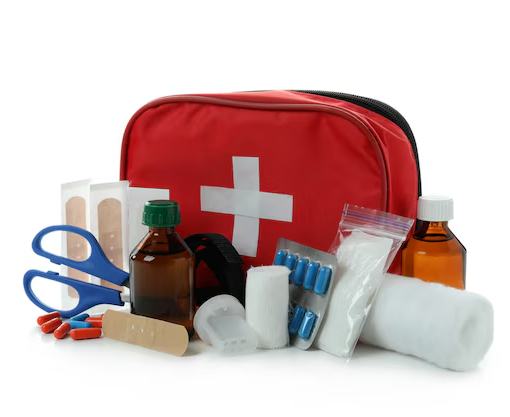
A sports refill therefore needs to cover more than adhesive strips. The current refill configuration includes bandages, wound dressings, saline ampoules, gauze, eye pads, instant cold packs, triangular bandages, gloves, a CPR barrier face shield and first aid information, among other items.
How Often Should a Sports First Aid Kit Be Checked and Restocked?
A sports first aid kit should be checked regularly and again after significant use. Inspections should confirm quantities, expiry dates, packaging integrity and cleanliness. Replace anything that has been used, damaged, contaminated or is out of date.
Safe Work Australia advises workplaces to maintain and check first aid kits regularly and to base first aid provisions on hazards, workplace size and location. The same principle is useful in sporting environments, particularly when equipment is shared across teams or venues.
A practical schedule can include the start of the season, before major tournaments, after an incident that used multiple supplies and whenever the kit returns from an away event. Frequently used items can also be recorded so replacement stock is available when needed.
Do not only count packets. Check seals, expiry dates and whether sterile products remain intact. A case can look full while still containing items that should no longer be used.
When Is a Refill Better Than Buying a Complete Sports First Aid Kit?
Choose a refill when the existing case is clean, secure, appropriately sized and still suitable for the sporting environment. A complete replacement is more appropriate when the case is damaged, difficult to access, too small for current needs or no longer suitable for the setting.
Check the hinges, closures, handle and internal compartments, and make sure the case can be cleaned and stored appropriately. If it is cracked, contaminated or awkward to carry, replacing the whole kit may be the better option.
The size and layout of the organisation also matter. A community club with several teams may need more than one accessible kit, while a smaller facility may be adequately covered by one well-maintained case. First aid equipment should be positioned so it can be reached quickly.
What Should You Check Before You Buy First Aid Kits Online?
Before ordering a refill or replacement kit, confirm the condition and capacity of the existing case, current stock levels, likely injuries, refill contents and storage arrangements. Compare what remains in the case with what your club or facility actually uses, then consider upcoming events, team numbers and access to trained first aiders.
Start with a physical stocktake. Note which items are used most often and whether some products remain untouched from season to season. This gives a more useful basis for restocking than relying only on the previous purchase history.
For the Livingstone refill, the product page provides an itemised bill of materials that can be checked against the existing case and anticipated use. If you are comparing full kits, smaller formats or other refill options, review the First Aid Kits collection rather than assuming every sporting setting needs the same configuration.
Purchasing should also allow for stock rotation. Holding excessive quantities of sterile or dated products can create unnecessary waste if they expire before use.
How Do You Store and Maintain a Sports First Aid Refill After Restocking?
After restocking, keep the first aid case clearly identified, accessible and protected from unnecessary heat, moisture, dirt and damage. Assign someone to monitor the kit, return it to its designated location after use and replace consumed items promptly.
Where a kit travels with a team, the person responsible for it should know where it is during training and competition and ensure it returns to storage afterwards. Restocking is only useful if the restored supplies remain organised and easy to reach.
Safe Work Australia recommends positioning first aid kits where they can be seen and accessed quickly. Sporting organisations can apply the same principle to clubrooms, sideline areas, gym spaces and event vehicles while considering local requirements and venue procedures.
A simple restock record can also help. Recording the date checked, items replaced and next review date turns maintenance into a routine task rather than something noticed only after an injury occurs.
References
Safe Work Australia n.d., First aid, Safe Work Australia, viewed 17 August 2026.
Safe Work Australia n.d., Model Code of Practice: First aid in the workplace, Safe Work Australia, viewed 17 August 2026.
Healthdirect Australia n.d., Sprains and strains, Healthdirect Australia, viewed 17 August 2026.
Healthdirect Australia n.d., First aid basics, Healthdirect Australia, viewed 17 August 2026.