Running a hospitality business in Australia means balancing speed, presentation and strict hygiene expectations, often within the same shift. Whether it is a busy café plating lunch service, a hotel managing back-of-house food prep, or an aged care kitchen serving multiple sittings a day, disposable consumables keep operations compliant, efficient and guest-ready. From napkins to protective wear, these everyday items protect staff, safeguard food safety and support a consistent customer experience across every shift. The sections below answer the most common questions operators ask when reviewing their consumables and planning stock for busy service periods.

What Are Disposable Consumables in Hospitality Operations?
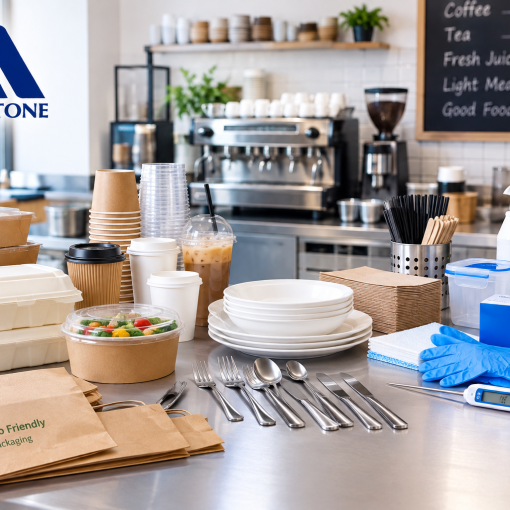
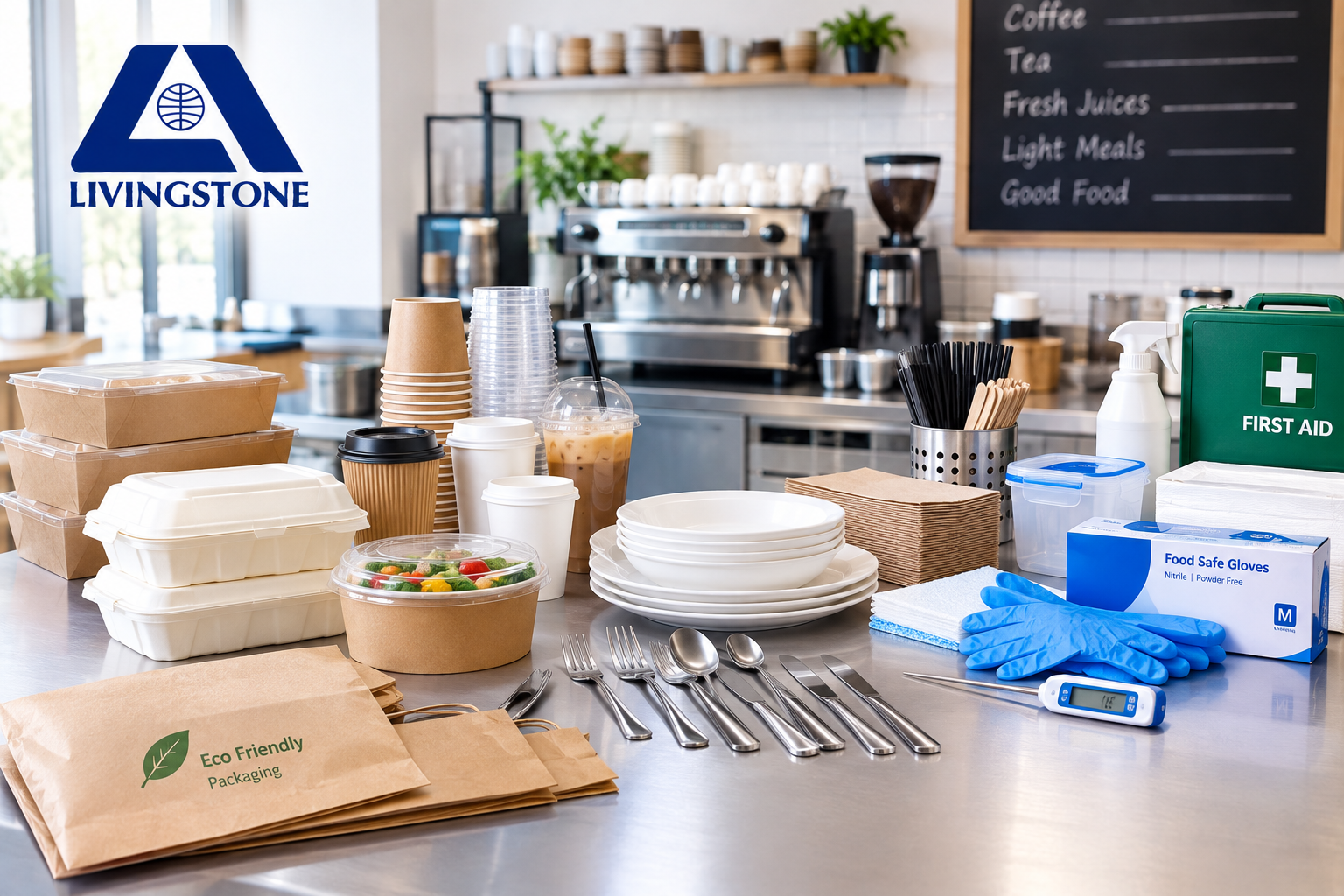
Disposable consumables are single-use items such as napkins, gloves, aprons, cups and cutlery, designed to be used once and discarded rather than washed and reused. In hospitality, they support hygiene, presentation and compliance during food handling and guest service.
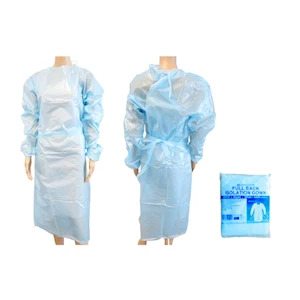
Items like lunch napkins seem simple, yet they play a direct role in presentation and hygiene during service. Similarly, protective wear such as aprons helps staff maintain cleanliness while handling food, drinks or cleaning tasks. Across hospitality, healthcare and aged care settings, these items form part of a broader hygiene system rather than being an afterthought to daily operations.
Why Are Single-Use Consumables Widely Used in Food Service?
Single-use consumables are widely used because they remove the risks tied to washing, drying and storing reusable items. They support faster service, reduce labour demands and provide a consistent hygiene standard across every shift without relying on laundering processes.
Reusable items require washing, drying and careful storage, which adds time and risk if not managed properly, particularly during peak service periods. Disposable items remove that variable entirely, giving operators a simpler, more predictable hygiene system across busy or unpredictable service periods.
How Do Disposable Consumables Prevent Cross-Contamination in Cafés?
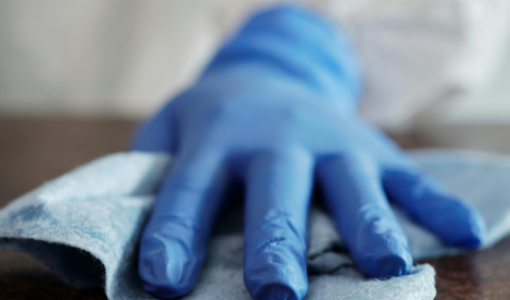
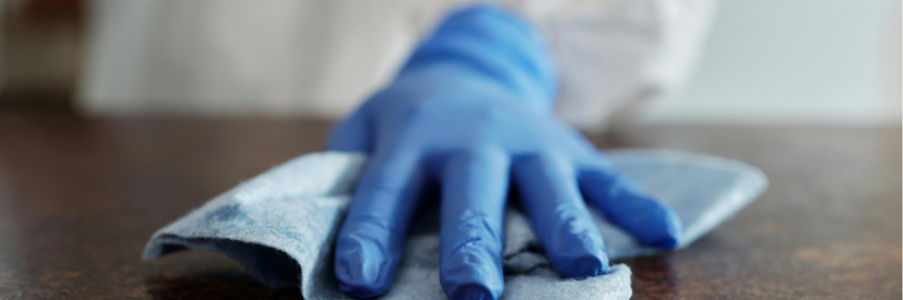
Disposable gloves, aprons and napkins act as physical barriers between staff, food and surfaces. Discarding them after each task, rather than reusing them, prevents bacteria, allergens and residue from transferring between raw ingredients, ready-to-eat food and guest-facing service.
Cross-contamination often occurs when staff move between tasks, such as handling raw ingredients and then plating ready-to-eat food, without changing gloves or protective wear. Single-use barriers remove this risk point entirely, since each item is discarded rather than carried between tasks, surfaces or shifts. This is particularly important in cafés, where staff frequently switch between food preparation, service and cleaning duties within short periods, often during peak trading hours when the margin for error is smallest.
How Do Food Safety Regulations Impact the Use of Hospitality PPE?
Australian food safety codes require appropriate hygiene practices during food handling, including the correct use and disposal of protective items. Using single-use gloves and aprons helps venues meet these obligations and maintain a consistent, auditable hygiene system.
Hospitality venues operate under food safety codes requiring hygienic practices at every stage of food handling, from ingredient preparation through to guest service. Correctly using and discarding single-use barriers between tasks, rather than reusing or extending their use beyond a single task, gives operators a documented system that is straightforward to explain during audits or health inspections, and helps build confidence with both regulators and guests. This documented approach also supports staff training, since clear rules around when to change gloves or aprons are easier to follow than judgement calls made on the spot.
Why Do Disposable Consumables Improve the Customer Experience?
Disposable consumables ensure every guest receives the same clean presentation, regardless of how busy service has been. Consistent napkins, tableware and visibly hygienic service build trust with guests and support repeat custom across high-turnover hospitality settings.
Guests notice small details, from a neatly folded napkin to a clean table setting and tidy service area. Disposable consumables allow venues to maintain this consistency across every table and shift without relying on labour-intensive laundering, freeing staff to focus on service rather than logistics.
How Should Hospitality Operators Choose the Right Disposable Products?
Operators should match disposable products to the task, prioritise quality and fit-for-purpose materials over lowest price, and consider sustainable sourcing where practical. This balances hygiene, cost control and environmental responsibility across daily hospitality operations.
Food handling tasks may call for heavy-duty gloves and aprons suited to direct ingredient contact, while front-of-house service may prioritise napkins and tableware. Cheaper products that tear easily or fail food contact standards create more problems than they solve, so reliable, fit-for-purpose items are worth the investment. Many operators also weigh responsible sourcing and reduced material use alongside hygiene, cost and supplier reliability when selecting products for daily use.
Disposable consumables have become a foundational part of modern hospitality, supporting hygiene, compliance and guest experience in ways that are hard to replicate with reusable alternatives. Choosing consumables that are fit for purpose, compliant with food safety expectations and matched to daily service demands lets teams focus on delivering a safe, consistent and enjoyable experience for every guest.
References
- Food Standards Australia New Zealand (2025) Health and hygiene advice for food handlers. (Accessed: 10 July 2026).
- Safe Work Australia (2025) Personal protective equipment (PPE): Overview. (Accessed: 10 July 2026).
- Department of Health Victoria (2025) Using and wearing gloves, DoFoodSafely. (Accessed: 10 July 2026).