Moving a small amount of liquid may seem like a simple task. However, the right tool can make the process easier, cleaner, and more controlled. This is why choosing a suitable Plastic Transfer Pipette is important in laboratories, healthcare settings, schools, and other work areas.
Not every pipette is designed for the same purpose. The size, material, liquid type, and level of accuracy required can all affect your choice. A pipette that works well for one task may not be suitable for another.
Livingstone International offers a range of practical laboratory and medical consumables, including transfer pipettes designed for convenient liquid handling. Before choosing a product, it is helpful to understand the features that matter most.
Start With the Amount of Liquid You Need to Transfer
The volume of liquid is one of the first things you should consider.
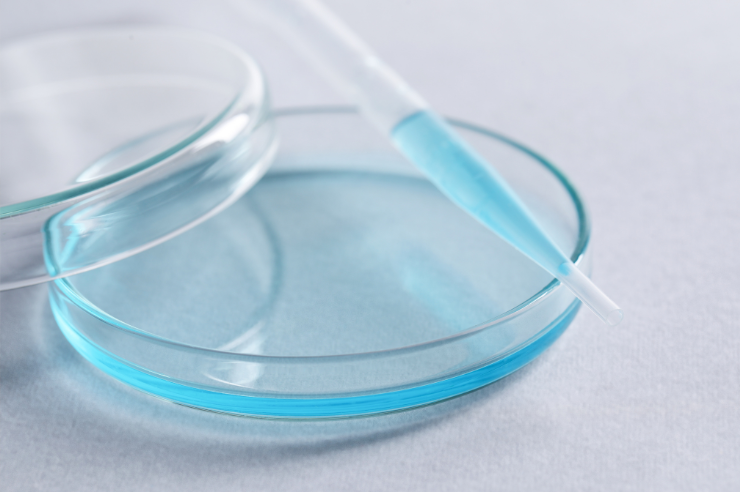
Plastic transfer pipettes are available in different capacities. A smaller pipette may be useful when you only need to move a small amount of liquid. A larger option may be more practical when the task involves a greater volume.
For example, a graduated 3 mL transfer pipette can be suitable for handling small liquid amounts. Its markings may also help you estimate or measure the volume during use.
However, you should not choose a larger pipette simply because it can hold more liquid. A large pipette may be less convenient when you need to work with very small amounts.
The right capacity should match the amount of liquid required for your task.
Consider Whether Volume Markings Are Needed
Some transfer pipettes have graduation marks along the tube. These markings can help you check the approximate amount of liquid being transferred.
Graduated pipettes may be useful when consistency is important. For example, you may need to transfer a similar volume several times during a laboratory process.
However, a transfer pipette may not provide the same level of accuracy as a precision measuring instrument. If your work requires highly exact measurements, you may need a different type of pipette or laboratory tool.
Before choosing a product, consider whether you need:
- An approximate liquid measurement
- A repeatable amount for routine work
- A highly accurate measurement
Understanding the level of accuracy required can help you select a suitable product.
Think About the Type of Liquid
The liquid being handled can also affect your choice.
Some liquids are thin and flow easily. Others may be thicker or more difficult to draw into a pipette. The liquid may also have properties that affect how it interacts with the pipette material.
Before use, check whether the pipette is suitable for the liquid involved. You should also consider whether the liquid needs to be handled in a clean or controlled environment.
If you are working with chemicals, biological materials, or other substances that may present a risk, follow the relevant safety procedures. Use suitable protective equipment and dispose of the pipette according to workplace requirements.
The Australian Government provides information about pathology services and laboratory quality standards.
Choose a Suitable Tip Size
The shape and size of the pipette tip can affect how easily you can transfer liquid.
A narrow tip may provide more control when adding liquid to a small container. It may also be useful when working with test tubes or other containers that have limited openings.
A wider tip may allow liquid to move more quickly. However, it may provide less control when you need to add small amounts slowly.
You should also consider the type of container you are using. The pipette should fit comfortably into the opening without making the task difficult.
A suitable tip can help reduce spills and make liquid transfer more manageable.
Check the Bulb Design
The bulb is the part of the pipette that you squeeze to draw in and release liquid.
A soft and flexible bulb can make the pipette easier to use. It may allow you to control the amount of liquid drawn into the tube and release it gradually.
The bulb size can also affect the amount of liquid the pipette can hold. Some products are designed with a larger bulb to support a greater capacity.
When choosing a Plastic Transfer Pipette, consider whether the bulb is comfortable to use and suitable for the task. If the pipette will be used repeatedly, ease of handling may become more important.
Decide Whether a Disposable Option Is Suitable
Many transfer pipettes are designed for single use. Disposable pipettes can be convenient because they reduce the need for cleaning between tasks.
Using a new pipette for each sample may also help reduce the risk of carrying material from one sample to another. This can be important when working with different liquids or sensitive materials.
However, disposal should always follow your workplace procedures. Pipettes used with chemicals or biological materials may need to be placed in specific waste containers.
A disposable product may be a practical choice when you need a simple and convenient option for routine liquid handling.
Consider the Working Environment
The place where you use the pipette can influence your choice.
In a busy laboratory, you may need a product that is easy to identify, simple to use, and available in larger quantities. In a classroom, ease of handling may be more important. In a healthcare setting, cleanliness and suitable handling procedures may be the main focus.
You should also consider how often the pipette will be used. A product used many times during the day should be comfortable and practical.
Storage is another factor. Make sure the pipettes can be kept in a clean and dry area before use.
Do You Need a Sterile Plastic Transfer Pipette?
A sterile plastic transfer pipette may be required when the procedure involves sterile conditions or sensitive materials.
Sterile products are supplied in packaging designed to maintain their condition before use. However, the packaging should be checked carefully.
Do not use a sterile product if the package is open, torn, wet, or damaged. Follow suitable hand hygiene and handling procedures before opening the product.
Not every task requires a sterile pipette. Using a sterile product when it is not needed may add unnecessary cost. Therefore, you should select the level of cleanliness required for the procedure.
Always follow workplace guidelines and the instructions provided for the product.
Balance Quality, Quantity, and Cost
Cost is an important factor, especially when pipettes are used regularly. However, the lowest-priced option may not always be the most suitable.
Consider the product’s quality, capacity, design, and ease of use. If you need a large number of pipettes, buying in bulk may be more practical.
You should also think about how often the product will be used. A reliable pipette that supports consistent handling may provide better value over time.
The goal is to choose a product that meets your needs without paying for features you do not require.
Conclusion
Choosing the right plastic transfer pipette depends on several factors. The liquid volume, required accuracy, tip size, bulb design, and working environment can all influence your decision.
You should also consider whether the pipette needs to be graduated, disposable, or sterile. A product that suits one application may not be suitable for another, so it is important to match the pipette to the task.
Livingstone International provides a broad range of laboratory and healthcare consumables, including practical transfer pipettes for everyday liquid handling. By considering your requirements before purchasing, you can choose a product that supports a cleaner, easier, and more efficient workflow.
Frequently Asked Questions
1. How can you avoid spilling liquid when using a plastic transfer pipette?
Squeeze the bulb before placing the tip into the liquid. Release it slowly to draw up the liquid, then gently squeeze the bulb to control the flow.
2. Can one transfer pipette be used for different liquids?
Using the same pipette for different liquids may cause cross-contamination. For disposable pipettes, it is generally better to use a separate pipette for each liquid or sample.
3. Why do some plastic transfer pipettes have graduation marks?
Graduation marks help you estimate the amount of liquid inside the pipette. They are useful for routine handling but may not provide the precision needed for exact measurements.
4. What should you do if air bubbles appear inside the pipette?
Air bubbles can affect the amount of liquid drawn into the pipette. Release the liquid and draw it up again slowly to reduce the chance of bubbles forming.
5. How should unused plastic transfer pipettes be stored?
Keep unused pipettes in a clean, dry place away from direct sunlight, heat, dust, and possible damage. Follow the manufacturer’s storage instructions where provided.
6. What can affect the flow of liquid through a transfer pipette?
The thickness of the liquid, the size of the pipette tip, and the pressure applied to the bulb can affect how quickly the liquid moves through the pipette.