Getting the right measurement can make a big difference. Whether you are working in a laboratory, a classroom, a medical setting, or even carrying out a simple experiment, accurate liquid measurement matters. A small mistake can affect your results, waste materials, or lead to incorrect findings.
That is why a measuring cylinder is one of the most useful tools for measuring liquids. It is simple to use, but using it the right way is just as important as choosing the right one.
At Livingstone International, you can find quality laboratory equipment designed to support accurate and reliable work. From everyday lab essentials to precision measuring tools, we provide products that help you work with confidence.
In this guide, you will learn how to use a measuring cylinder correctly, avoid common mistakes, and improve the accuracy of every measurement.
What Is a Measuring Cylinder?
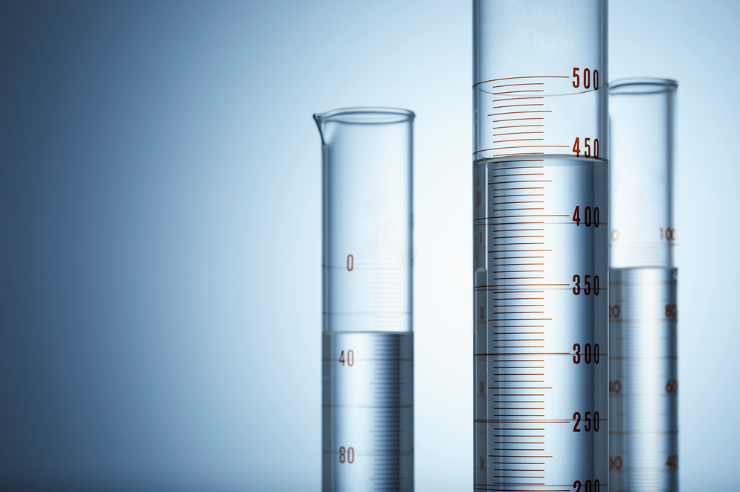
A measuring cylinder, also called a graduated cylinder, is a laboratory container used to measure the volume of liquids. It is tall, narrow, and marked with measurement lines that make it easy to read different liquid volumes.
Many laboratories choose a glass graduated cylinder because it offers excellent clarity, accuracy, and long-lasting performance. Glass is also resistant to many chemicals, making it suitable for a wide range of laboratory applications.
You can find measuring cylinders in different sizes, including a 10ml measuring cylinder, which is ideal when you need to measure small amounts of liquid accurately.
Why Accuracy Matters
Think about making a recipe. If you add too much or too little of one ingredient, the final result changes. The same idea applies when measuring liquids in a laboratory.
Accurate measurements help you:
- Get reliable results
- Reduce waste
- Improve safety
- Repeat experiments successfully
- Follow testing procedures correctly
According to the Australian Government’s National Measurement Institute, accurate measurement plays an important role in science, healthcare, research, and many industries across Australia.
Parts of a Measuring Cylinder
Before you start using one, it helps to know its main parts.
Base
The base keeps the cylinder standing upright. Some models have a hexagonal base that provides better stability.
Body
The long tube holds the liquid while allowing you to see the measurement markings clearly.
Graduation Marks
These lines show the liquid volume. The measurements of graduated cylinder are usually displayed in millilitres (mL).
Spout
A measuring cylinder with spout makes pouring easier and helps reduce spills.
How to Use a Measuring Cylinder Correctly
Using a measuring cylinder is easy once you know the proper steps.
Step 1: Choose the Right Size
Always select a cylinder that matches the amount of liquid you need to measure.
For example, if you only need 8 mL of liquid, using a 10ml measuring cylinder will usually give you a more accurate reading than using a much larger cylinder.
Step 2: Place It on a Flat Surface
Set the measuring cylinder on a level bench or table.
Holding it in your hand while reading the measurement can lead to errors because the liquid may move around.
Step 3: Pour Slowly
Pour the liquid carefully into the cylinder.
If your cylinder has a spout, use it to control the flow and avoid splashing.
Step 4: Let the Liquid Settle
Wait a few seconds until the liquid becomes still.
Reading the measurement while the liquid is moving can give you the wrong result.
Step 5: Read at Eye Level
This is one of the most important steps.
Bring your eyes level with the surface of the liquid instead of looking from above or below.
Looking from the wrong angle can change the reading.
Step 6: Read the Meniscus
Most liquids form a slight curve on the surface. This curve is called the meniscus.
For water and many common liquids, you should read the measurement from the bottom of the curve.
Doing this helps you get a more accurate result.
Common Mistakes to Avoid
Even experienced people can make simple mistakes.
Here are some common ones you should avoid.
Using the Wrong Size Cylinder
A large cylinder may not give the best accuracy when measuring small amounts.
Choose the size that matches your measurement.
Reading from the Wrong Angle
Always keep your eyes level with the liquid.
Looking down or up can change the reading.
Pouring Too Quickly
Fast pouring often causes spills or makes the liquid rise above the correct mark.
Take your time.
Ignoring the Meniscus
Many people read the top of the liquid instead of the bottom of the curve.
Always check the meniscus carefully.
Using a Dirty Cylinder
Residue left inside the cylinder can affect your measurement.
Clean and dry the cylinder before every use.
Why Choose a Glass Graduated Cylinder?
Many laboratories prefer a glass graduated cylinder for several reasons.
It provides excellent visibility, making the markings easy to read.
Glass is resistant to many laboratory chemicals.
It is durable when handled correctly.
It also offers high measurement accuracy for scientific work.
For many laboratories, a borosilicate glass cylinder is a trusted choice because it can handle temperature changes and regular use.
When Is a 10ml Measuring Cylinder the Best Choice?
A 10ml measuring cylinder is perfect when you need to measure small liquid volumes.
It is commonly used for:
- Laboratory testing
- Medical laboratories
- Educational science experiments
- Chemical preparation
- Quality control procedures
Because the measurement marks are closer together, you can often read small volumes more accurately.
Tips to Keep Your Measuring Cylinder in Good Condition
Taking care of your measuring cylinder helps it last longer.
- Wash it after every use.
- Rinse thoroughly to remove chemicals.
- Dry it before storing.
- Store it upright in a safe place.
- Avoid dropping glass cylinders.
- Check for chips or cracks before using it.
A damaged cylinder should never be used because it may affect accuracy or break during use.
Choosing the Right Measuring Cylinder
When buying a measuring cylinder, think about your needs.
Look for clear graduation markings that are easy to read.
Choose a stable base to reduce the chance of tipping.
A measuring cylinder with spout makes pouring cleaner and easier.
If accuracy is important, choose a quality measuring cylinder graduated to recognised laboratory standards.
Also consider the material. Glass cylinders are often the preferred choice for laboratory work because they provide reliable performance and long service life.
Conclusion
Using a measuring cylinder correctly is not difficult, but following the right steps can make a big difference. Choosing the correct size, placing it on a flat surface, reading the liquid at eye level, and checking the meniscus carefully all help you achieve accurate measurements.
Whether you need a graduated cylinder for education, healthcare, research, or laboratory work, choosing quality equipment is just as important as using it correctly. Livingstone International offers dependable laboratory products, including high-quality measuring cylinders designed to support precise and reliable liquid measurement for a wide range of applications.
Frequently Asked Questions
1. What is a measuring cylinder used for?
A measuring cylinder is used to measure the volume of liquids accurately. It is commonly used in laboratories, schools, medical facilities, and research environments where precise liquid measurement is important.
2. Why is a graduated cylinder more accurate than a beaker?
A graduated cylinder has narrow sides and clear measurement markings, making it easier to read liquid volumes accurately. A beaker is mainly designed for mixing and holding liquids rather than precise measurement.
3. How do you read a measuring cylinder correctly?
Place the measuring cylinder on a flat surface and look at the liquid at eye level. Read the measurement from the bottom of the meniscus to achieve the most accurate result.
4. What is a 10ml measuring cylinder used for?
A 10ml measuring cylinder is ideal for measuring small amounts of liquid. It is commonly used in laboratories, science classes, chemical testing, and healthcare settings where precision is required.
5. Why do measuring cylinders have a spout?
A measuring cylinder with a spout helps you pour liquids smoothly while reducing spills. It makes transferring measured liquids into another container much easier and cleaner.
6. Why should you choose a glass graduated cylinder?
A glass graduated cylinder offers excellent visibility, chemical resistance, and long-lasting durability. It is often the preferred choice for laboratories that require accurate and reliable liquid measurements.