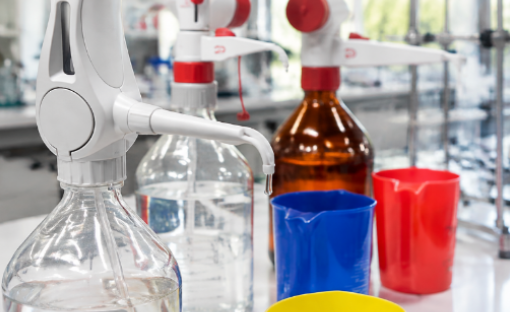
A small mistake in chemical storage can lead to big problems. A loose lid, the wrong container, or poor storage conditions can affect the quality of materials and even create safety risks. That is why laboratories pay close attention to the containers they use every day.
One of the most trusted storage solutions in laboratories is the reagent bottle. It may look like a simple container, but it plays an important role in keeping liquids and powders protected from contamination, spills, and environmental exposure.
Whether you work in a laboratory, educational facility, healthcare setting, or industrial environment, proper storage matters. Livingstone International supplies quality laboratory products designed to support safe and reliable work practices, including reagent bottles that help professionals store materials with confidence.
Let’s explore how reagent bottles help keep liquids and powders safe and why they remain an essential part of laboratory operations.

What Is a Reagent Bottle?
A reagent bottle is a specially designed container used to store chemicals, laboratory solutions, powders, and other substances.
Unlike ordinary containers, reagent bottles are built to handle laboratory conditions. They are designed to reduce contamination and help preserve the quality of stored materials.
You will often find them in research laboratories, schools, universities, hospitals, and industrial testing facilities.
Many professionals rely on lab reagent bottles because they provide a safe and convenient way to store important materials.
Why Proper Chemical Storage Matters
Think about this for a moment. What happens if a chemical is exposed to air, moisture, or dirt?
In many cases, its quality may change. Some substances can become less effective, while others may react with their surroundings.
Proper storage helps prevent these issues.
Safe storage can help:
- Reduce contamination
- Maintain product quality
- Prevent spills
- Improve workplace safety
- Extend the life of stored materials
- Support accurate testing results
This is why choosing the right chemical storage bottle is so important.
The Benefits of Glass Reagent Bottles
Many laboratories choose glass reagent bottles because glass offers several advantages over plastic.
Excellent Chemical Resistance
Some chemicals can react with certain materials. Glass is resistant to many substances, making it a reliable storage option.
Easy to Clean
Glass surfaces are smooth and easy to clean thoroughly between uses.
Clear Visibility
With clear bottles, you can easily see the contents inside. This helps when checking liquid levels or identifying stored materials.
Long-Term Durability
When handled correctly, glass chemical storage bottles can provide years of reliable service.
These benefits make glass one of the most trusted materials in laboratory environments.
Why Borosilicate Glass Is a Popular Choice
Not all glass is the same.
Many laboratories prefer a borosilicate glass reagent bottle because of its strength and performance.
Borosilicate glass is designed to handle temperature changes better than ordinary glass. It also offers excellent resistance to many chemicals.
This makes a borosil reagent bottle suitable for a wide range of laboratory applications.
Whether you are storing powders or liquids, borosilicate glass helps provide extra confidence in your storage solution.
How Reagent Bottles Protect Liquids
Liquids often require careful handling.
Even a small amount of contamination can affect testing results or product quality.
A quality chemical reagent bottle helps protect liquids by creating a secure storage environment.
Reduces Exposure to Air
Many reagent bottles use tightly fitting stoppers or caps that help limit air exposure.
Helps Prevent Spills
Secure closures reduce the chance of accidental leaks and spills.
Supports Sample Integrity
Proper storage helps maintain the original condition of liquids for longer periods.
Improves Organisation
Clearly labelled bottles make it easier to identify and manage stored solutions.
This helps laboratories work more efficiently and safely.
How Reagent Bottles Protect Powders
Powders also need protection.
Moisture, dust, and environmental conditions can affect many powdered substances.
A laboratory reagent bottle helps keep powders dry and secure.
The sealed design helps reduce moisture exposure, while the durable construction protects contents during storage and handling.
This is especially important when working with sensitive laboratory materials.
The Advantage of a Wide Mouth Design
One feature many users appreciate is the wide mouth reagent bottle design.
Why is this useful?
Simply put, it makes handling easier.
A wider opening allows you to:
- Fill bottles more easily
- Transfer powders with less mess
- Remove contents efficiently
- Clean the bottle more thoroughly
If you have ever tried transferring powder through a narrow opening, you know how frustrating it can be.
A wide-mouth design helps simplify everyday laboratory tasks.
Supporting Laboratory Safety
Safety is always a priority in laboratories.
Using suitable storage containers helps reduce unnecessary risks.
According to guidance provided by the Australian Government’s Safe Work Australia, proper handling and storage of hazardous chemicals is an important part of maintaining a safe workplace. By using appropriate chemical storage bottle solutions, laboratories can support safer work practices and better organisation.
Common Uses of Reagent Bottles
A reagent bottle can be used in many settings.
Research Laboratories
Researchers store samples, solutions, and chemicals for testing and analysis.
Educational Facilities
Schools and universities use reagent bottles during practical science activities.
Healthcare Laboratories
Medical laboratories store reagents and testing materials required for diagnostics.
Industrial Facilities
Manufacturers often use reagent bottles for quality control and product testing.
Environmental Testing
Laboratories performing environmental analysis frequently use reagent bottles to handle samples and solutions.
Because they are so versatile, reagent bottles remain a standard item in many workplaces.
Choosing the Right Reagent Bottle
When selecting a reagent bottle, it helps to consider a few important factors.
Ask yourself:
- What material will be stored?
- Do you need chemical resistance?
- Will you be storing liquids or powders?
- Is a wide opening important?
- Do you need a glass stopper or secure closure?
Answering these questions can help you choose the most suitable laboratory reagent bottle for your needs.
Conclusion
Safe storage is an important part of every laboratory process. A quality reagent bottle helps protect liquids and powders from contamination, spills, moisture, and environmental exposure. Whether you are storing chemicals, samples, or laboratory solutions, choosing the right container can make a real difference.
From the durability of glass reagent bottles to the convenience of a wide mouth reagent bottle, these storage solutions help support accuracy, safety, and efficiency. Livingstone International continues to provide reliable laboratory products that professionals trust every day. When you need dependable storage solutions for laboratory applications, we offer quality products designed to meet your requirements.
FAQs
1. What is a reagent bottle used for?
A reagent bottle is used to store chemicals, laboratory solutions, powders, and samples safely. It helps protect contents from contamination and supports organised laboratory operations.
2. Why are glass reagent bottles commonly used?
Glass reagent bottles offer good chemical resistance, clear visibility, and easy cleaning. They are suitable for storing many laboratory materials safely and effectively.
3. What is a borosilicate glass reagent bottle?
A borosilicate glass reagent bottle is made from heat-resistant glass designed for laboratory use. It provides durability and resistance to temperature changes and many chemicals.
4. Why is a wide mouth reagent bottle useful?
A wide mouth reagent bottle makes filling, pouring, cleaning, and transferring powders easier. It helps reduce spills and improves handling during laboratory work.
5. Can reagent bottles store both liquids and powders?
Yes. Reagent bottles are commonly used to store both liquids and powders. Their secure closures help protect contents from contamination and moisture.
6. How should reagent bottles be cleaned?
Reagent bottles should be cleaned using suitable laboratory cleaning methods, rinsed thoroughly, and dried completely before being reused or stored.