When you get a cut, scrape, or any kind of injury, the first thing that comes to mind is probably pain and how fast it can heal. But do you ever think about how the wound heals properly?
Sometimes, it’s not just about putting a bandage over it. The products you use for cleaning and treating the wound also matter. Among those helpful tools, medical applicators and swabs play an important role in keeping wounds clean, reducing infection, and supporting healthy healing.
Today, many clinics, hospitals, and even home first aid kits depend on these simple but important tools. Brands like Livingstone International make it easy to get safe, clean, and reliable medical supplies that help protect your skin and health.
So, let’s talk about how these applicators and swabs help you take better care of wounds, at home or in a medical setting.
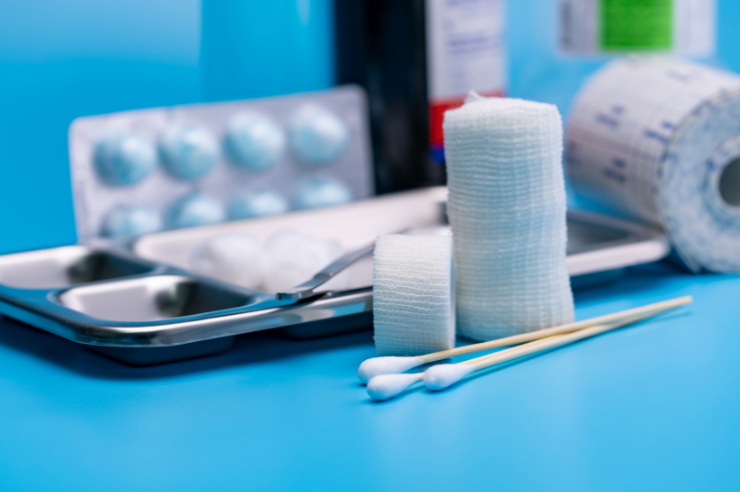
Why Proper Wound Care Matters
A wound may look small at first, but bacteria can enter quickly if it’s not cleaned well. This can lead to swelling, infection, discomfort, and longer healing time.
When you use the right supplies, the healing process becomes much easier and safer.
Proper wound care helps:
- Prevent infection
- Reduce pain
- Speed up healing
- Protect the skin from further injury
What Are Medical Applicators and Swabs?
Medical applicators and swabs are simple tools used to clean wounds, apply medication, remove debris, or collect samples. They are clean, soft, and gentle on the skin.
Many types are used in medical care, but two of the most useful types are:
- cotton tipped applicators
- cotton tipped wood applicators
These are commonly seen in clinics, hospitals, and first aid kits.
Some are sterile, which means they are fully clean and safe for direct contact with open skin or wounds. Others are non-sterile and used for general cleaning or applying products on unbroken skin.
How Do They Help With Wound Healing?
Here are some simple ways these tools help wounds heal properly:
1. Cleaning the Wound Gently
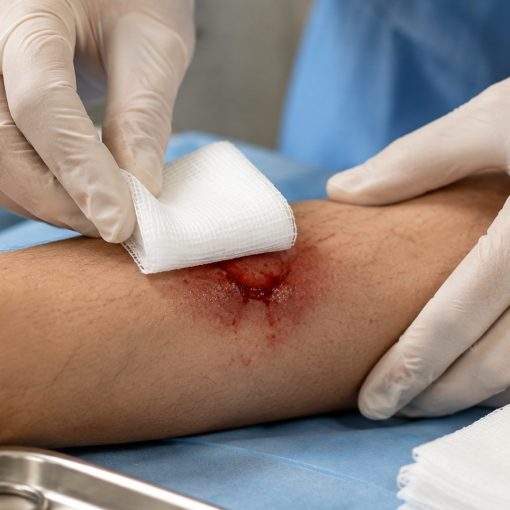
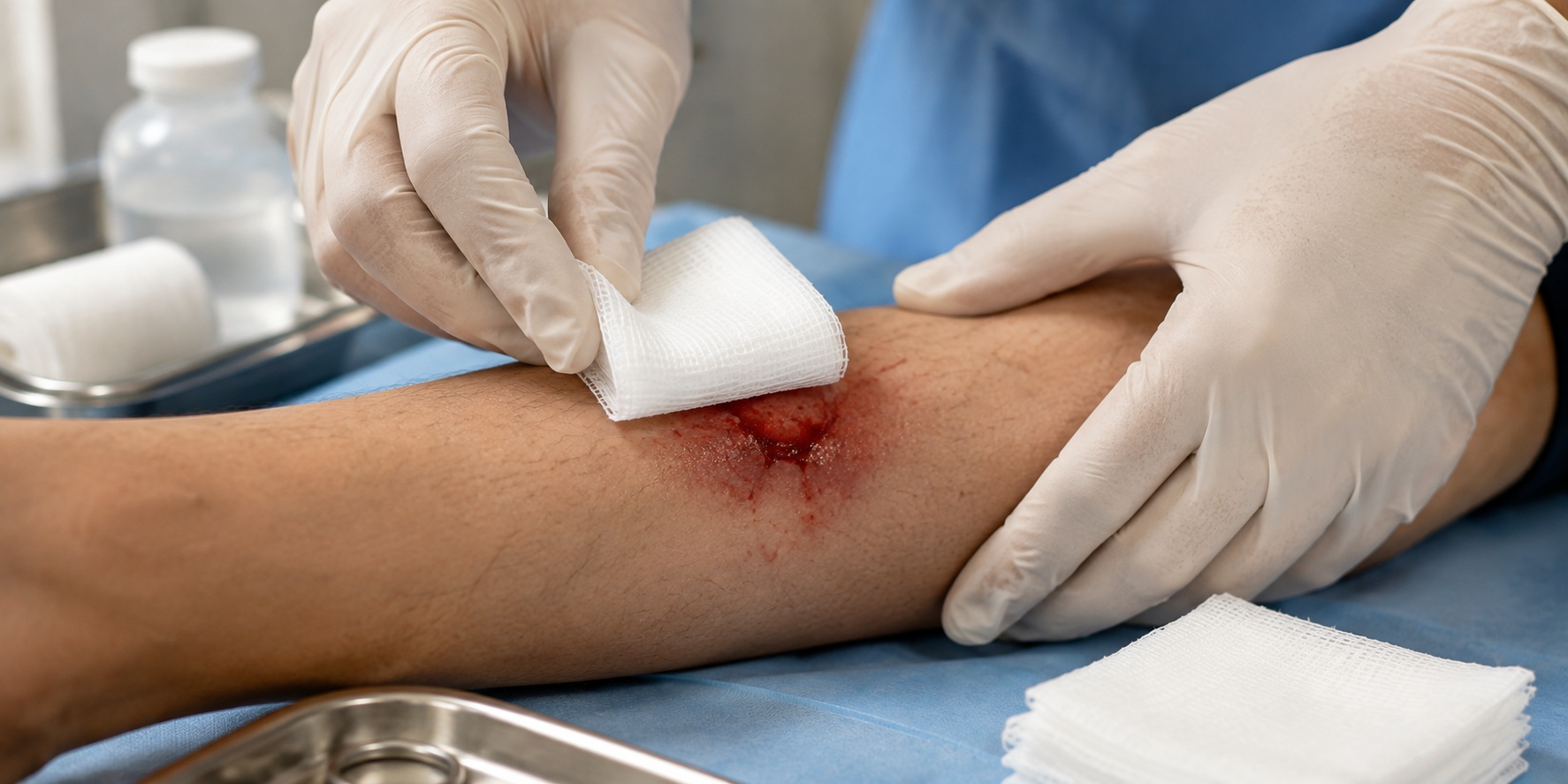
Before applying anything, the wound should be cleaned to remove dirt, dried blood, or bacteria. A cotton swab helps do this in a soft and controlled way, especially for small or sensitive wounds.
Because they are small, they do not disturb healthy skin or tissue.
2. Applying Medication Safely
You may need to apply antiseptic, ointment, or cream to the wound. Using your hand or fingers can transfer bacteria. Instead, cotton tipped applicators allow you to apply medication evenly and safely.
This helps:
- Prevent contamination
- Avoid touching the wound directly
- Ensure the right amount of medicine is used
3. Reducing Infection Risk
Many medical applicators and swabs come sterilised. Using sterile tools means the risk of introducing bacteria into the wound is much lower.
This step is especially important if the wound is deep, bleeding, or located in a sensitive area.
4. Controlling Pressure and Handling Delicate Skin
Sometimes wounds need gentle pressure to stop bleeding. Swabs help apply pressure without causing damage or pain.
They are also helpful for treating wounds in areas where bandaging is difficult, such as the face or fingers.
5. Useful in Medical Testing and Diagnosis
Some medical swabs are used to collect samples of fluids or tissue. This helps doctors check for infection or bacteria. It ensures the right treatment is given if needed.
Different Types of Applicators You May See
Not all applicators are the same. Some are made for general use, and others are designed for medical tasks.
Common types include:
| Type | Features | Best Use |
| Cotton-tipped applicators | Soft cotton end | Cleaning wounds, applying ointments |
| Cotton-tipped wood applicators | Strong wooden handle | Controlled pressure, lab use |
| Non-sterile swabs | Not individually packed | First aid, skincare, basic cleaning |
| Sterile medical swabs | Individually sealed | Open wounds, medical treatment |
Who Uses Medical Applicators and Swabs?
These tools are useful for:
- Hospitals and clinics
- Dentists
- First aid kits
- Home wound care
- Skincare and cosmetic uses
- Emergency services
- Schools and workplaces
So whether you’re a healthcare worker or someone managing a small injury at home, these tools make care easier and safer.
Tips for Using Applicators and Swabs Correctly
Here are a few simple tips:
- Use sterile applicators for open wounds
- Throw them away after one use
- Do not dip the same swab twice into a product
- Store them in a clean, dry place
- Read instructions before use
These steps help keep bacteria away and support healthy healing.
Why Quality Matters
Not all swabs and applicators are the same. Low-quality ones may shed cotton, break easily, or not stay clean.
Using trusted products helps protect you or the patient from unnecessary risk. A reliable brand ensures:
- Better materials
- Safe handling
- Sterile packaging
- Consistent performance
Conclusion
Wound care may seem simple, but using the right tools makes a big difference. Medical applicators and swabs help keep wounds clean, apply medicine correctly, prevent infection, and support faster healing. Whether you’re treating a small cut at home or caring for a patient in a medical setting, these tools offer safety and comfort.
If you are looking for high-quality cotton tipped applicators, cotton tipped wood applicators, and other wound care supplies, Livingstone International provides reliable options made with care. You can explore the wide range of collection on our website.