
Ever looked at a microscope and wondered how such tiny things show so much detail? A big part of that clarity comes from something very simple – microscope glass slides. If you handle them right, your samples look clear. If not, even a good microscope won’t help much.
In labs, schools, hospitals, and research centres, glass slides for microscope use are a basic but very important tool. That’s why good handling and storage matter more than people think.
If you are looking for reliable lab supplies, Livingstone International offers quality options like microscope slides designed for everyday lab use:
Let’s go step by step and understand how you can handle and store them properly in a simple way.
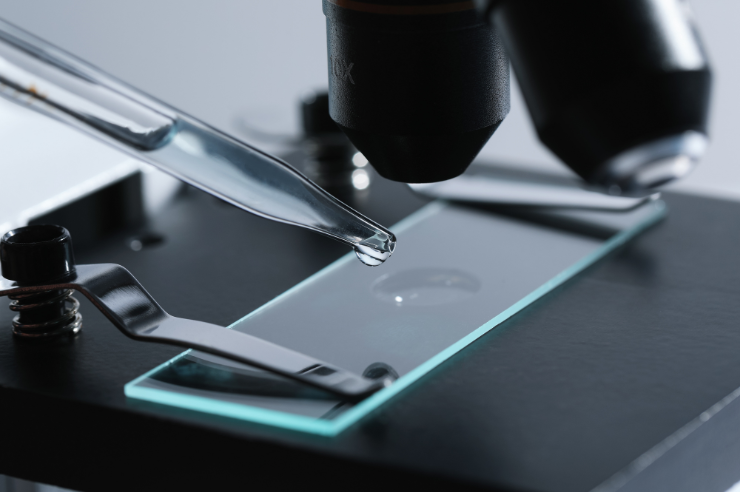
Why microscope slides matter so much
Before we go into handling, let’s understand one thing. Microscope slides are not just glass pieces. They are the base where your sample sits.
If the slide is dirty, scratched, or broken, your view becomes unclear. You may even misread results. That’s why proper care is important.
Also, when you use microscope glass slides and coverslips, the clarity becomes even better because the sample stays protected and flat.
How to handle microscope glass slides properly
Handling slides is very simple, but it needs care. You don’t need fancy tools, just gentle hands.
1. Hold them from the edges
Always pick slides from the sides. Never touch the flat middle part. Even a small fingerprint can blur your view under the microscope.
2. Be gentle while placing
When you place microscope slides and coverslips, do it slowly. Dropping or forcing them can cause cracks.
3. Keep them away from dust
Dust is a big problem. Even a small particle can affect your sample view. So try to handle slides in a clean space.
4. Don’t stack carelessly
If you are using multiple slides, don’t just pile them up. It increases the chance of scratches.
How to store microscope slides safely
Storage is just as important as handling. Even perfect slides can get damaged if stored badly.
1. Use slide boxes
Always keep slides in proper slide boxes. This protects them from dust and breakage.
2. Keep in a dry place
Moisture is not good for microscope glass slides. It can create stains or marks over time.
3. Label properly
If you are working in a lab, always label your slides. It saves time and avoids confusion later.
4. Avoid direct sunlight
Sunlight doesn’t usually damage glass, but it can affect samples. So keep storage in a cool and shaded area.
Cleaning microscope slides the right way
Clean slides give better results. But cleaning should be done carefully.
- Use soft lint-free cloth
- You can use mild alcohol solution if needed
- Avoid strong chemicals that may leave marks
- Always dry completely before use
Even a small stain can affect what you see under the microscope.
Understanding coverslips and their role
You will often hear about microscope slide cover glass. This is a thin glass placed on top of the sample.
Why is it important?
- It protects the sample
- It keeps the sample flat
- It improves clarity
- It prevents contamination
When you use microscope glass slides and coverslips together, your results become more accurate and clear.
Just remember, coverslips are delicate. Handle them even more carefully than slides.
Common mistakes people make
Even in labs, small mistakes happen. Let’s look at a few:
Touching the slide surface
This is the most common mistake. Fingerprints reduce clarity.
Reusing dirty slides
Sometimes people reuse slides without cleaning properly. This can mix samples.
Storing without protection
Leaving slides open on a table is risky. Dust and scratches can happen easily.
Using force
Never press coverslips too hard. They can break or damage the sample.
Avoiding these mistakes can save both time and effort.
Tips for better microscope use
Here are a few simple tips you can follow daily:
- Always check slides before use
- Keep cleaning cloth nearby
- Handle one slide at a time
- Use good quality Non-interleaved glass slides for smoother handling
- Work in a clean and stable area
These small habits make your lab work smoother and more accurate.
Why quality slides make a difference
Not all slides are the same. Good quality microscope slides give better clarity and fewer scratches. They also last longer and reduce waste.
Cheap or low-quality slides may break easily or give unclear results. So choosing the right supplier matters a lot.
That’s where trusted suppliers like Livingstone International help. Our lab products are designed for consistent use in education, healthcare, and research settings.
Final thoughts
Working with a microscope is all about precision. And that precision starts with how you handle your microscope glass slides.
If you treat them carefully, store them properly, and use them the right way, your results will always be clearer and more reliable.
Good habits in small things often lead to better outcomes in big work.
For quality and reliable lab essentials, Livingstone International provides trusted solutions like durable glass slides for microscope use, helping you maintain accuracy and ease in your daily lab work.
FAQs
1. What are microscope glass slides used for?
Microscope glass slides are used to hold samples for viewing under a microscope. They provide a clear flat surface that helps in detailed observation of biological or chemical materials.
2. How should you handle microscope slides safely?
Always hold slides from the edges and avoid touching the middle surface. This prevents fingerprints, scratches, and contamination that can affect microscope results.
3. Why do we use coverslips with slides?
Coverslips protect the sample, keep it flat, and improve clarity under the microscope. They also prevent contamination and help maintain sample structure during observation.
4. How should microscope slides be stored?
They should be stored in slide boxes in a dry, clean place away from sunlight. Proper storage prevents dust, moisture damage, and breakage.
5. Can microscope slides be reused?
Yes, but only if they are cleaned properly. Any residue or contamination must be removed completely before reuse to avoid affecting new samples.
6. What makes good quality microscope slides important?
Good quality slides give clear viewing, resist scratches, and last longer. They help ensure accurate results and reduce errors during microscopic study.