Every patient assessment begins with gathering the right information. A patient may arrive with dizziness, chest discomfort, headaches or simply attend a routine health review, yet one of the first observations a clinician often performs is measuring blood pressure. While it takes only a few moments, that reading can contribute valuable information about a patient’s cardiovascular health and help guide the next stage of assessment.
Although digital monitors have become common across many healthcare settings, manual blood pressure monitoring continues to play an important role in clinical practice. Many healthcare professionals value the control and accuracy that manual auscultation provides, particularly when confirming unexpected readings or performing more detailed cardiovascular assessments.
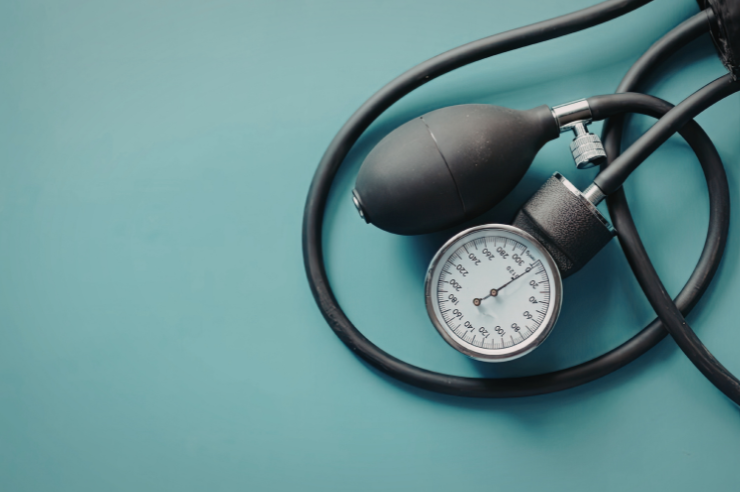
The one hand aneroid sphygmomanometer combines traditional manual blood pressure measurement with a practical palm-operated design, allowing trained clinicians to inflate the cuff and monitor pressure using one hand while performing auscultation with a stethoscope.
Every reading tells part of the patient’s story
Blood pressure is much more than two numbers recorded in a patient file. It forms one part of a broader clinical picture that also includes heart rate, respiratory rate, temperature, oxygen saturation, symptoms and medical history.
Rather than relying on a single measurement, healthcare professionals often compare readings over time to identify trends that may indicate improvement, deterioration or the need for further assessment. This is why accurate measurement techniques and reliable equipment remain essential in healthcare environments where clinical decisions are made every day.
The Australian Commission on Safety and Quality in Health Care highlights the importance of recognising changes in vital signs as part of identifying acute deterioration. Consistent monitoring supports earlier recognition of patients who may require further review or escalation of care.
For clinicians seeking dependable manual blood pressure equipment, the Livingstone One-Hand Aneroid Sphygmomanometer provides a practical solution for routine patient assessment. You can also explore the wider Diagnostic Equipment Collection for additional monitoring devices and clinical essentials suited to Australian healthcare environments.
Why do many clinicians still choose manual blood pressure monitoring?
Despite significant advances in healthcare technology, manual blood pressure measurement continues to be widely used because it allows trained practitioners to directly assess Korotkoff sounds during auscultation. This provides an additional level of clinical confidence, particularly when digital readings appear inconsistent or when closer assessment is required.
Manual devices are also valued because they do not rely on batteries or electronic sensors, making them suitable for a wide range of healthcare settings where dependable equipment is essential.
The single hand BP aneroid sphygmomanometer is particularly useful for clinicians who prefer to operate the inflation bulb while observing the pressure gauge without frequently changing their grip. This practical design supports efficient workflows during routine patient assessments.
When accuracy depends on more than the monitor
Even the highest-quality blood pressure monitor cannot guarantee accurate readings on its own. Reliable measurement also depends on correct technique, appropriate cuff selection and consistent patient preparation.
Healthcare professionals should consider several important factors before recording a reading:
- Select the correct cuff size for the patient’s arm circumference.
- Position the patient’s arm comfortably at heart level.
- Allow the patient to rest where clinically appropriate.
- Avoid placing the cuff over clothing.
- Record the patient’s position and the arm used.
- Repeat measurements where readings appear inconsistent or unexpected.
The Heart Foundation also notes that stress, recent physical activity, caffeine, body position and breathing patterns can all influence blood pressure measurements. Following a consistent approach helps improve the reliability of observations while supporting informed clinical decision-making.
Where does manual blood pressure monitoring make the biggest difference?
Manual blood pressure monitors are trusted across a wide range of healthcare environments because they provide clinicians with flexibility during patient assessment and ongoing monitoring.
General Practice
Routine health assessments, chronic disease management and cardiovascular reviews often begin with measuring blood pressure. Manual monitoring allows healthcare professionals to obtain readings while performing a broader physical examination, supporting informed clinical discussions with patients.
Hospitals and Acute Care
In busy hospital environments, blood pressure is regularly monitored during admissions, bedside reviews, patient transfers and recovery. Manual devices can be particularly useful when clinicians need to verify unexpected readings or monitor patients whose condition requires closer observation.
Aged Care and Community Healthcare
Many residents and community patients require regular blood pressure monitoring as part of ongoing health management. Consistent measurement techniques help establish reliable baseline observations and support communication between visiting clinicians, nurses and general practitioners.
Paramedicine and Mobile Healthcare
Healthcare professionals working outside traditional clinical environments often require dependable equipment that is easy to transport and simple to operate. A compact manual monitor supports patient assessment in community settings, outreach services and emergency response where trained clinicians perform cardiovascular observations.
When should clinicians choose manual rather than digital monitoring?
Digital blood pressure monitors offer convenience and efficiency, making them suitable for many routine situations. However, manual measurement continues to have an important place in clinical practice.
Healthcare professionals may choose manual monitoring when:
- Confirming an unexpected digital reading
- Performing auscultatory blood pressure assessment
- Assessing patients where greater clinical control is preferred
- Working in environments where battery-powered equipment may not always be practical
- Teaching students correct blood pressure measurement techniques
Rather than competing with digital technology, manual and digital devices often complement one another as part of comprehensive patient assessment.
Looking after your equipment helps protect measurement accuracy
Like any clinical instrument, manual blood pressure monitors require regular inspection and maintenance to perform reliably.
Healthcare organisations should routinely inspect the cuff, tubing, inflation bulb and pressure gauge for signs of wear or damage. Equipment should be stored in a clean, dry location and protected from excessive heat, moisture and unnecessary impact that could affect performance.
Organisations should also follow manufacturer recommendations for calibration and servicing to help maintain measurement accuracy over time. Where equipment is shared between patients, cleaning should always align with workplace infection prevention policies and manufacturer guidance.
Well-maintained equipment not only supports reliable clinical observations but also extends the service life of valuable diagnostic devices.
What should healthcare organisations consider when purchasing manual blood pressure equipment?
Selecting blood pressure equipment involves more than comparing prices. Procurement teams should consider how well the device supports everyday clinical workflows and whether it meets the needs of the healthcare professionals using it.
Important considerations include:
- Comfortable one-hand operation
- Clear, easy-to-read pressure gauge
- Durable cuff and tubing construction
- Suitable cuff size for the intended patient population
- Ease of cleaning and maintenance
- Reliable calibration support
- Storage and portability requirements
For organisations managing multiple clinical areas, consistency across equipment can also simplify staff training, maintenance schedules and replacement planning.
Healthcare providers seeking the best price aneroid sphygmomanometer Australia should look beyond initial purchase cost and consider long-term durability, ease of use and ongoing reliability. Investing in quality diagnostic equipment supports consistent patient assessment while reducing equipment downtime and replacement costs.
Supporting confident patient care through every assessment
Every blood pressure reading contributes to a broader understanding of a patient’s health. While technology continues to evolve, manual blood pressure monitoring remains a trusted clinical skill that supports accurate assessment, informed decision-making and ongoing patient care.
Whether used in general practice, hospitals, aged care facilities, community healthcare or emergency response, a dependable manual blood pressure monitor continues to provide healthcare professionals with confidence during routine and complex clinical assessments alike.
By combining appropriate techniques, regular equipment maintenance and evidence-based clinical practice, organisations can support reliable observations that contribute to safer patient care and more informed healthcare decisions every day.
References
Australian Commission on Safety and Quality in Health Care 2026, Action 8.04: Detecting and Recognising Acute Deterioration and Escalating Care, Australian Commission on Safety and Quality in Health Care, viewed 26 June 2026,
https://www.safetyandquality.gov.au/standards/nsqhs-standards/recognising-and-responding-acute-deterioration-standard/detecting-and-recognising-acute-deterioration-and-escalating-care/action-804.
Australian Commission on Safety and Quality in Health Care 2026, Detecting and Recognising Acute Deterioration and Escalating Care, Australian Commission on Safety and Quality in Health Care, viewed 26 June 2026,
https://www.safetyandquality.gov.au/standards/nsqhs-standards/recognising-and-responding-acute-deterioration-standard/detecting-and-recognising-acute-deterioration-and-escalating-care.
Heart Foundation 2026, Blood Pressure and Your Heart, Heart Foundation, viewed 26 June 2026,
https://www.heartfoundation.org.au/your-heart/blood-pressure-and-your-heart.
Heart Foundation 2026, Measuring Your Blood Pressure at Home, Heart Foundation, viewed 26 June 2026, https://www.heartfoundation.org.au/getmedia/1921bd4e-60a6-4e2d-b60a-9b7188db0c7d/INF-041-C-v2_Measuring-your-blood-pressure-at-home-WEB.pdf.