Dust, smoke, pollen, and tiny particles are part of everyday life. They can easily get into your eyes while you are working, driving, gardening, or even walking outside on a windy day. When this happens, your eyes may feel itchy, watery, or uncomfortable. You might even find yourself rubbing them, but that often makes the problem worse.
An eye bath offers a simple way to rinse away unwanted particles and help your eyes feel clean again. It is a handy item to keep at home, at work, or in a first aid kit because you never know when you might need it. If you are looking for reliable first aid and healthcare products, Livingstone International offers quality solutions trusted by healthcare professionals, workplaces, and families across Australia. A good eye bath cup is one of those small products that can make a big difference when your eyes need quick care.
Let’s look at how an eye bath works and why it is useful for keeping your eyes clean and comfortable.
Why Dust and Debris Can Irritate Your Eyes
Your eyes are sensitive. Even a tiny piece of dust can cause discomfort. It may make your eyes water, turn red, or feel like something is stuck inside.
Common things that can get into your eyes include:
- Dust
- Dirt
- Sand
- Pollen
- Smoke
- Small fibres
- Pet hair
- Tiny insects
Sometimes your eyes remove these particles by producing tears. Other times, the particles stay in your eye and continue to cause irritation. This is when an eye bath wash can help.
Instead of rubbing your eyes, you can gently rinse them to wash away the particles.
What Is an Eye Bath?
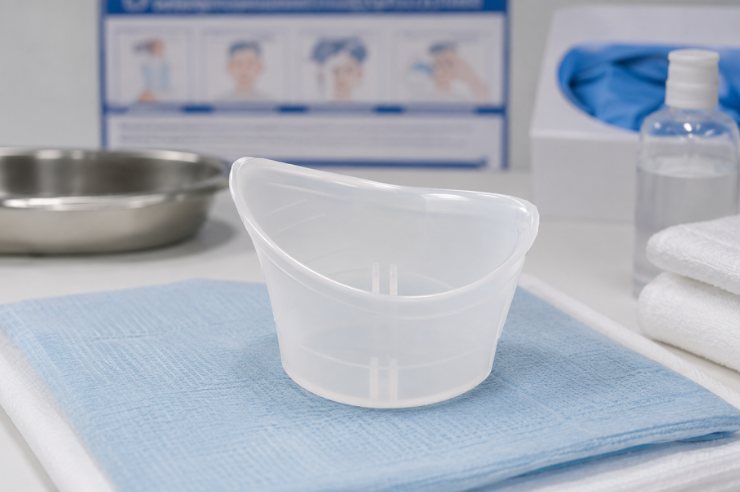
An eye bath is a small cup made to fit comfortably around your eye. It allows you to rinse your eye with a suitable eye wash solution or clean sterile saline.
Many people also call it an eye wash cup, eye cleaning cup, or eye wash eye cup. No matter what you call it, the purpose is the same—to help flush away dust, dirt, and other small particles safely.
A plastic eye bath is lightweight, easy to clean, and simple to use. It is suitable for homes, workplaces, schools, and travel first aid kits.
How Does an Eye Bath Work?
Using an eye bath cup is quite simple.
First, fill the cup with the recommended eye wash solution or sterile saline. Place the cup gently over your eye to create a seal. Then tilt your head back and slowly blink several times.
As you blink, the liquid moves around your eye and helps lift away small particles. Once finished, lower your head and remove the cup.
The process only takes a minute, but it can provide quick relief when something is irritating your eye.
Why Rinsing Your Eyes Is Better Than Rubbing Them
When something gets into your eye, your first reaction may be to rub it.
But think about it for a moment. If a grain of sand is trapped in your eye, rubbing it can move that particle across the surface of your eye. This may increase irritation instead of solving the problem.
Using eye cups for eye wash helps remove the particle without adding extra pressure to your eye.
A gentle rinse is usually a much safer choice.
Everyday Situations Where an Eye Bath Can Help
You do not have to work in construction or a factory to need an eye bath.
There are many everyday situations where it comes in handy.
Gardening
Digging soil, trimming plants, or mowing the lawn can send dust and tiny plant particles into your eyes.
Cleaning Around the House
Sweeping, dusting, or vacuuming often stirs up fine dust that may enter your eyes.
Outdoor Activities
A windy day at the beach or park can blow sand, dust, or pollen straight into your face.
DIY Projects
Simple home repairs may create sawdust or small particles that irritate your eyes.
Workplaces
Many workplaces expose people to airborne dust, fibres, or other particles. Having an eye wash with eye cup available allows quick action if irritation occurs.
Use the Right Eye Wash Solution
One important thing to remember is that the cup itself does not clean your eye. The liquid inside does the work.
For eye irrigation, use a suitable sterile eye wash solution or sterile saline as directed. Avoid using products that are not made for eye care.
For practical advice about eye safety and preventing eye injuries, you can also visit the Australian Government’s Safe Work Australia , which provides useful guidance for both workplaces and individuals.
Keeping Your Eye Bath Clean Matters
An eye cleaning cup should always be clean before each use.
Wash it according to the manufacturer’s instructions and allow it to dry completely before storing it.
Keeping your plastic eye bath clean helps reduce the chance of introducing dirt or germs during eye rinsing.
It is also a good idea to store it in a clean place where it stays protected from dust until you need it.
Benefits of Using an Eye Bath
An eye bath is a simple product, but it can be very useful when your eyes need a gentle rinse. Keeping one nearby means you can respond quickly when dust or small particles get into your eyes.
Here are some of the main benefits.
Helps Wash Away Dust and Debris
The biggest benefit is that it helps remove loose particles from your eye. A gentle rinse can wash away dust, dirt, pollen, and other small irritants before they cause more discomfort.
Gives Quick Relief
When something is stuck in your eye, every minute can feel uncomfortable. Using an eye bath wash can help your eyes feel fresher and more comfortable within a short time.
Easy to Use
You do not need special skills to use an eye wash cup. Simply follow the instructions and use the recommended eye wash solution or sterile saline.
Useful in Many Places
An eye bath cup is suitable for:
- Homes
- Offices
- Schools
- Workshops
- Warehouses
- Factories
- First aid rooms
- Travel first aid kits
Because it is small and lightweight, it is easy to keep close by.
Choosing the Right Eye Bath
Not every eye bath is exactly the same. Choosing a quality product makes the experience more comfortable.
Here are a few things to look for.
Comfortable Shape
A well-designed eye wash eye cup should fit gently around your eye without causing discomfort.
Durable Material
A plastic eye bath is a popular choice because it is lightweight, strong, and easy to clean.
Easy to Clean
Cleaning should be quick and simple so the cup stays ready for future use.
Trusted Quality
Buying healthcare products from a trusted supplier gives you greater confidence in the product you are using.
Simple Tips for Safe Eye Washing
Using an eye bath is easy, but following a few simple tips can make the process safer.
- Wash your hands before touching the eye bath.
- Always use fresh sterile saline or a suitable eye wash solution.
- Never share your eyewash cups with someone else.
- Clean the cup after every use.
- Store it somewhere clean and dry.
- Stop using it if it becomes cracked or damaged.
These simple habits help keep your eye care routine safe and hygienic.
When Should You See a Doctor?
An eye bath is useful for removing loose dust and small particles. However, it is not the answer for every eye problem.
You should seek medical attention if:
- The pain continues after rinsing.
- Your vision becomes blurry.
- Your eye keeps watering for a long time.
- A chemical has entered your eye.
- A sharp object has injured your eye.
- The object does not come out after rinsing.
It is always better to get professional advice if you are unsure. Your eyesight is too important to ignore.
Make Eye Care Part of Your First Aid Routine
Many people keep bandages, gloves, and antiseptic products in their first aid kit. But what about eye care?
Think about how often your eyes are exposed to dust during daily life. Whether you are cleaning the house, working in the garden, completing a DIY project, or spending time outdoors, small particles can easily reach your eyes.
Adding an eye cleaning cup to your first aid supplies is a simple step that can make dealing with these situations much easier.
Being prepared means you can act quickly instead of searching for a solution when irritation happens.
Conclusion
Your eyes work hard every day, so they deserve proper care. Dust, dirt, pollen, and other tiny particles can cause irritation when they become trapped in your eyes. Instead of rubbing your eyes and making the problem worse, using an eye bath provides a gentle way to rinse away loose debris and help your eyes feel clean again.
A quality eye bath cup is a practical addition to any home, workplace, or first aid kit. It is simple to use, easy to clean, and ready whenever you need quick eye care.
If you are looking for dependable healthcare and first aid products, Livingstone International offers a wide range of trusted solutions, including eye care products designed to support everyday safety. Choosing quality products fromus helps you stay prepared for life’s unexpected moments while protecting what matters most -your vision.
Frequently Asked Questions
1. What is an eye bath used for?
An eye bath is used to gently rinse the eye with sterile saline or a suitable eye wash solution. It helps remove loose dust, dirt, pollen, and other small particles that may cause irritation.
2. Can I use an eye bath every day?
You can use an eye wash cup when needed and according to the product instructions. If you experience ongoing eye irritation, discomfort, or dryness, you should speak with an eye care professional.
3. What liquid should I use in an eye bath?
Use sterile saline or a suitable eye wash solution recommended for eye irrigation. Avoid using liquids that are not intended for eye care unless advised by a healthcare professional.
4. Is a plastic eye bath reusable?
Yes. A plastic eye bath can usually be reused if it is cleaned properly after each use and stored in a clean, dry place according to the manufacturer’s instructions.
5. Can an eye bath remove all objects from the eye?
An eye bath wash can help rinse away loose dust and small particles. If an object remains stuck, causes pain, or affects your vision, seek medical attention immediately.
6. Why should I keep an eye bath in my first aid kit?
An eye bath cup allows you to respond quickly when dust or debris enters your eye. Keeping one in your first aid kit means you are better prepared for everyday eye care emergencies.