Have you ever wondered if the tools you use in your clinic are actually the most reliable options for your patients? Choosing the right medical instruments is about more than just a purchase; it is about ensuring precision and safety.
In Australia, investment in healthcare equipment is rapidly growing. The hospital equipment market was valued at around USD 6.3 billion in 2025 and is projected to expand to USD 22.1 billion by 2034, growing at a CAGR of about 14.45 % as demand for advanced diagnostic and treatment tools rises.
At Livingstone International, we provide high-quality medical diagnostic equipment designed to meet these rigorous national standards. Let’s explore more about it.

Why Quality Matters for Medical Instruments
When you are in the middle of a procedure, the last thing you want to worry about is the reliability of your tools. Whether you are using hospital instruments or specialised dental instruments, quality is the foundation of effective patient care. High-quality medical instruments are crafted from materials like surgical-grade stainless steel, which ensures they remain sharp, durable, and resistant to corrosion even after repeated sterilisation cycles.
If you choose inferior instruments products, you risk more than just a broken tool. Poorly manufactured items can lead to inaccurate results or, worse, patient injury. This is why many Australian practitioners look for medical diagnostic equipment suppliers who have a proven track record of clinical excellence. By investing in the right instruments supplies, you are ultimately investing in the trust your patients place in you every day.
Key Factors When Choosing Medical Diagnostic Equipment
Choosing the right medical diagnostic equipment is a significant decision for any healthcare facility. You need to ensure that the technology you bring into your office is both modern and user-friendly.
1. Accuracy and Calibration
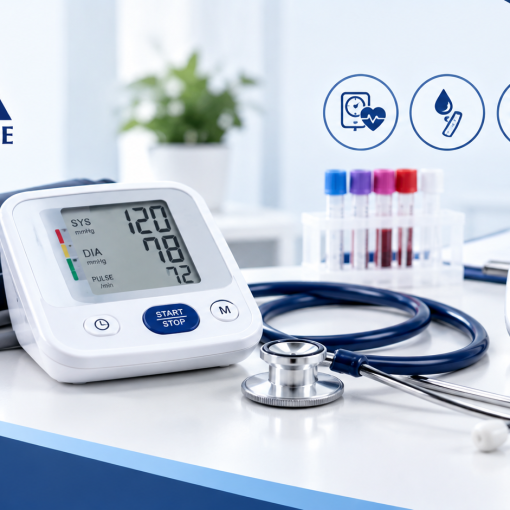
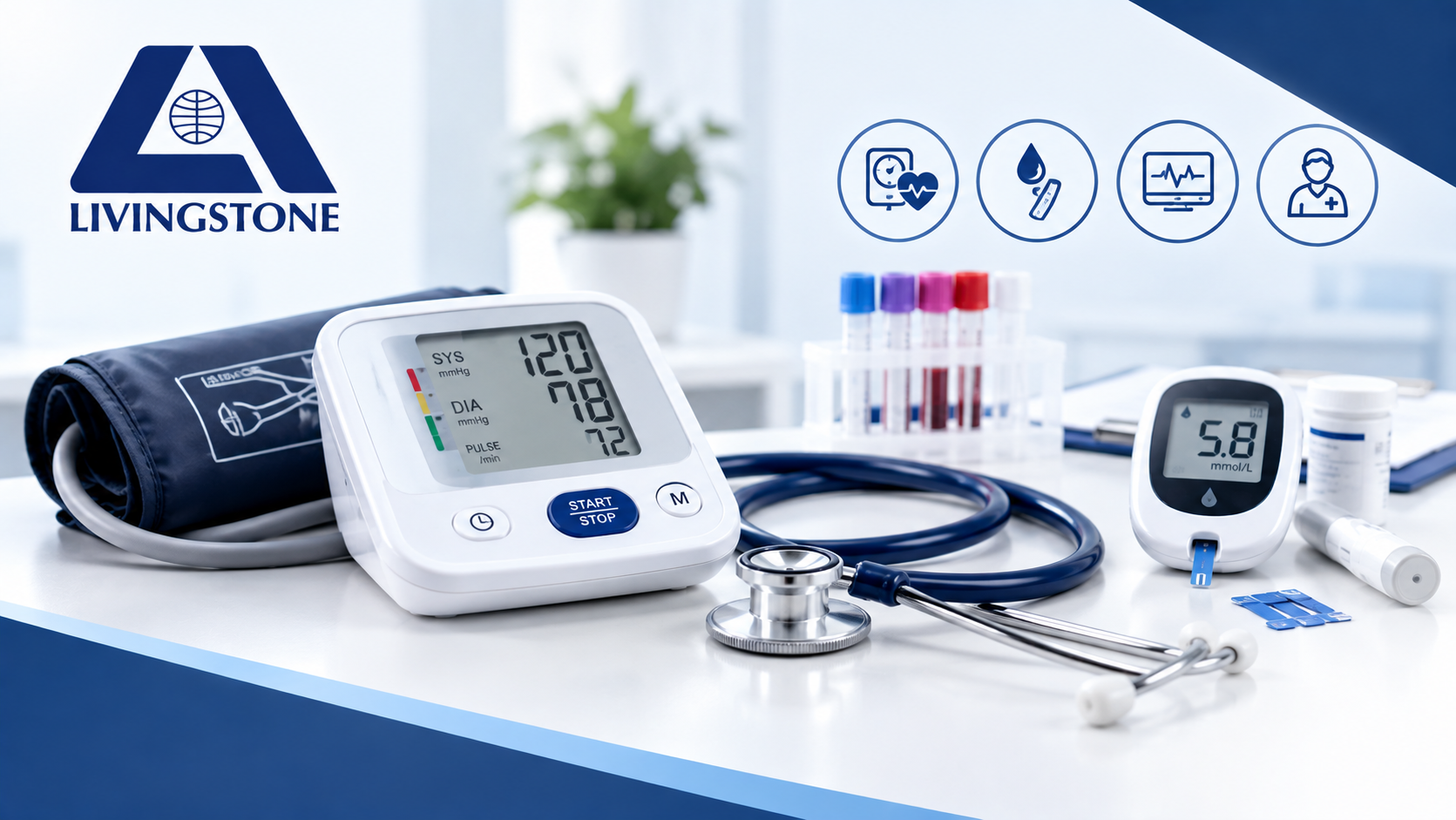
The most important feature of any diagnostics products is accuracy. If a blood pressure monitor or a pulse oximeter gives a false reading, your entire treatment plan could be flawed. You should always check if the equipment comes with clear calibration instructions or if the supplier offers support for regular maintenance.
2. Durability and Build Quality
Medical environments are demanding. Your medical diagnostic equipment needs to withstand constant use, accidental drops, and rigorous cleaning protocols. Look for robust casings and high-quality digital displays that won’t fade or crack over time.
3. Ease of Use
You and your staff are busy. You don’t have time to navigate overly complex menus or troubleshoot difficult software. The best medical diagnostic equipment features intuitive interfaces that allow you to get results quickly and efficiently.
Selecting the Right Diagnostic Strips
For many clinics, diagnostic strips are a daily essential. These small but mighty tools are used for everything from glucose monitoring to urinalysis. Because they are a high-volume item, it is tempting to look for the cheapest option, but consistency is key.
When you buy diagnostic strips, you need to ensure they are compatible with your existing meters. Furthermore, check the shelf life. Using expired strips can lead to wildly inaccurate data, which is dangerous for patient monitoring. Always source your diagnostics products from reputable suppliers to ensure you are receiving fresh, correctly stored stock.
Understanding Dental and Hospital Instruments
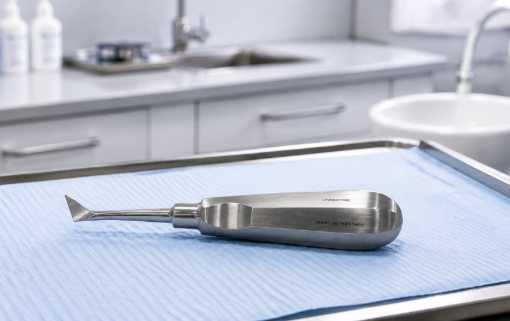
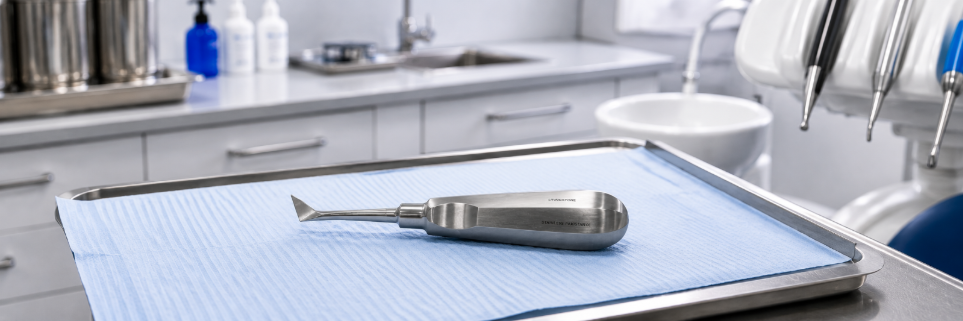
The requirements for dental instruments are quite different from general hospital instruments. Dental tools often require much finer tips and more ergonomic handles to allow for precision in tight spaces.
- Ergonomics: Since you might be holding these tools for long periods, look for designs that reduce hand fatigue.
- Sterilisation Compatibility: Ensure that all your medical instruments can handle autoclave temperatures without losing their structural integrity.
- Specialisation: Make sure you are buying tools specifically designed for the task at hand. Using a general-purpose clamp for a delicate dental procedure can lead to poor outcomes.
How to Evaluate Medical Diagnostic Equipment Suppliers
Finding the right partner for your instruments supplies is just as important as the products themselves. You want a supplier that understands the Australian regulatory landscape, including TGA (Therapeutic Goods Administration) requirements.
A good supplier will offer:
- Transparent Technical Specs: You should be able to see exactly what you are buying without hidden details.
- Comprehensive Support: Whether it is a warranty or technical help, you need to know someone is there if something goes wrong.
- Reliable Delivery: In healthcare, you cannot afford to wait weeks for essential hospital instruments or diagnostics products.
Long-Term Maintenance and Care
Once you have purchased your medical diagnostic equipment, your journey isn’t over. You need a solid plan for maintenance. Regular cleaning, proper storage, and scheduled calibration will extend the life of your instruments products and keep your clinic running smoothly.
You should also train your staff on the correct way to handle delicate medical instruments. Even the most expensive tool can be ruined by improper cleaning techniques or being dropped onto a hard floor. By taking care of your equipment, you ensure it takes care of your patients.
Conclusion
Navigating the vast world of medical supplies can feel daunting, but focusing on quality and reliability will always lead you in the right direction. Whether you are restocking your supply of diagnostic strips or investing in high-end medical diagnostic equipment, the goal remains the same: providing the best possible care. At Livingstone International, we take pride in being a trusted name for hospital instruments and medical instruments across the country. By choosing a brand that understands your professional needs, you can focus on what matters most—your patients’ health and recovery.
Frequently Asked Questions (FAQs)
1. How do I verify if medical instruments meet Australian standards?
In Australia, all medical instruments and medical diagnostic equipment must be registered with the Therapeutic Goods Administration (TGA) on the Australian Register of Therapeutic Goods (ARTG). When you are browsing instruments products, you can ask the supplier for the ARTG number. This ensures that the product has undergone safety and performance assessments suitable for the Australian healthcare environment.
2. What is the difference between reusable and disposable hospital instruments?
Reusable hospital instruments are typically made of high-grade stainless steel and are designed to be sterilised and used multiple times. Disposable medical instruments, on the other hand, are intended for a single use to prevent cross-contamination. You should choose based on the frequency of the procedure and the cost-effectiveness of sterilisation versus replacement for your specific clinic.
3. Why is calibration so critical for medical diagnostic equipment?
Calibration ensures that your medical diagnostic equipment provides a reading that matches a known standard. Over time, sensors in diagnostics products can “drift” due to environmental factors or wear and tear. If your equipment is out of calibration, you may misdiagnose a condition or provide the wrong dosage of medication, which is why regular checks are essential for patient safety.
4. How should I store diagnostic strips to maintain their accuracy?
Diagnostic strips are highly sensitive to moisture, light, and temperature. You should always keep them in their original container with the lid tightly closed. Store them in a cool, dry place, but never in the fridge or freezer unless the manufacturer specifically states to do so. Using a strip that has been exposed to humidity can lead to “false low” or “false high” readings.
5. Are there specific cleaning agents I should avoid for medical diagnostic equipment?
Yes, you should always follow the manufacturer’s guidelines for your specific medical diagnostic equipment. Harsh chemicals like bleach or strong alcohols can damage sensitive screens and corrode electrical contacts on many diagnostics products. Generally, using an approved disinfectant wipe that is safe for electronics is the best way to maintain your equipment without causing damage.
6. What are the signs that my dental instruments need to be replaced?
You should regularly inspect your dental instruments for signs of wear such as pitting, corrosion, or dullness. If a cutting instrument requires more pressure than usual to perform a task, or if you see visible “nicks” in the metal, it is time for a replacement. Using worn instruments supplies can cause trauma to the patient’s tissues and increase the time required for dental procedures.