Are you ready to turn your body into a canvas, or finally get that piercing you have been thinking about for years? Getting a tattoo & piercing is exciting, but it also needs careful planning to stay safe.
The Australian tattoo market was valued at AUD 41.40 million in 2025 and is expected to reach AUD 121.86 million by 2035, growing at a CAGR of 11.40%. This rapid growth shows how popular body art has become.
To support this demand, Livingstone International offers high-quality tattoo equipment and piercing supplies, helping professionals maintain proper hygiene and safety standards before you step into a studio.
Quality Benchmarks for Tattoo and Piercing Supplies
If you’re a pro looking at a tattoo supply store, or just a curious customer, you’ve got to understand that quality gear isn’t just a luxury. It’s a mechanical necessity for safety.
- Pigment Stability in Tattoo Ink: Not all black is the same. The best tattoo ink brands spend a fortune on testing for heavy metals and ensuring pigment stability. If you use cheap, nasty tattoo ink, it’ll probably fade to a weird murky green in two years, or worse, trigger a wicked allergic reaction.
- Biocompatibility of Piercing Kits: If a studio is using piercing kits, they better be medical-grade. You want titanium or surgical-grade stainless steel. Anything less and you’re asking for a nickel allergy or a nasty infection that’ll make you regret the whole thing.
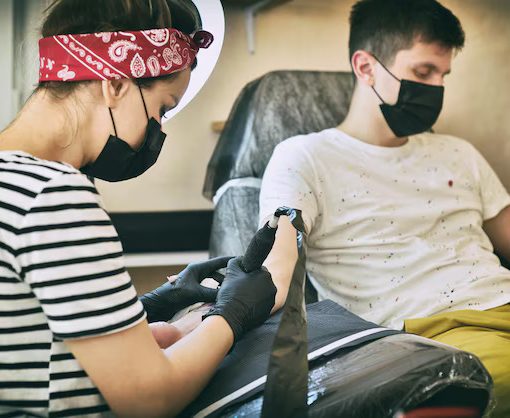
- Aseptic Technique and Tattoo Cleaning Supplies: Hygiene starts before the needle even touches you. Artists use tattoo cleaning supplies to kill every bit of surface bacteria on your skin. If they skip this, they’re literally pushing germs into your dermis. No thanks.
Physiological Preparation for Invasive Procedures
- Eat a proper meal before your session
Make sure you have a good meal before your appointment. This helps keep your blood sugar stable, reducing the chances of feeling dizzy or faint, especially during long tattoo or piercing sessions. - Stay well hydrated
Drink plenty of water before your visit. Hydrated skin is healthier and makes it easier for the artist to work, helping the tattoo ink settle better and improving overall results. - Avoid alcohol for at least 24 hours
Do not drink alcohol before your appointment. Alcohol thins your blood, which can cause excessive bleeding. This makes it harder for the artist to work properly and can affect how well the ink stays in your skin. - Wear comfortable and suitable clothing
Choose loose and comfortable clothes based on the area you are getting tattooed or pierced. For example, if it’s a thigh tattoo, avoid tight jeans. This helps the artist access the area easily and keeps you comfortable throughout the session. - Plan ahead for a smooth experience
Think about your session in advance, including what to wear and how to prepare. Being ready helps reduce stress and ensures everything goes smoothly on the day.
Post-Procedure Aftercare Protocols
1. Follow your artist’s instructions carefully
After your tattoo or piercing is done, your artist will guide you on what to do next. Pay close attention to their advice, as proper aftercare is very important for healing and avoiding infections.
2. Use a mild, fragrance-free soap
Clean the area gently with a soft, antibacterial soap that has no strong smell. Avoid harsh scrubbing. Simply wash lightly and keep the area clean.
3. Dry the area gently
After washing, pat the skin dry using a clean paper towel. Do not rub the area, as this can irritate the skin and slow down healing.
4. Don’t worry about slight fluid or ink
It is normal for a fresh tattoo to release a little fluid or extra ink in the first couple of days. This is part of the natural healing process, so there’s no need to panic.
5. Avoid swimming and public water
Stay away from pools, oceans, and hot tubs for at least two weeks. Water in these places can carry bacteria and may damage your fresh tattoo or piercing.
6. Keep the skin lightly moisturised
Use a good-quality ointment to keep the area slightly moist. Do not apply too much – your skin needs to breathe while it heals properly.
Professional Equipment and Procedural Integrity
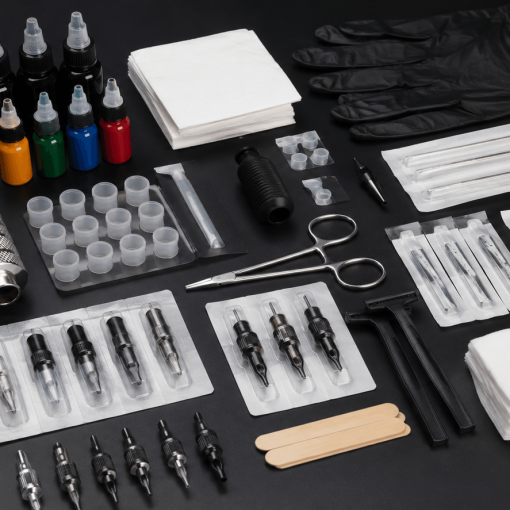
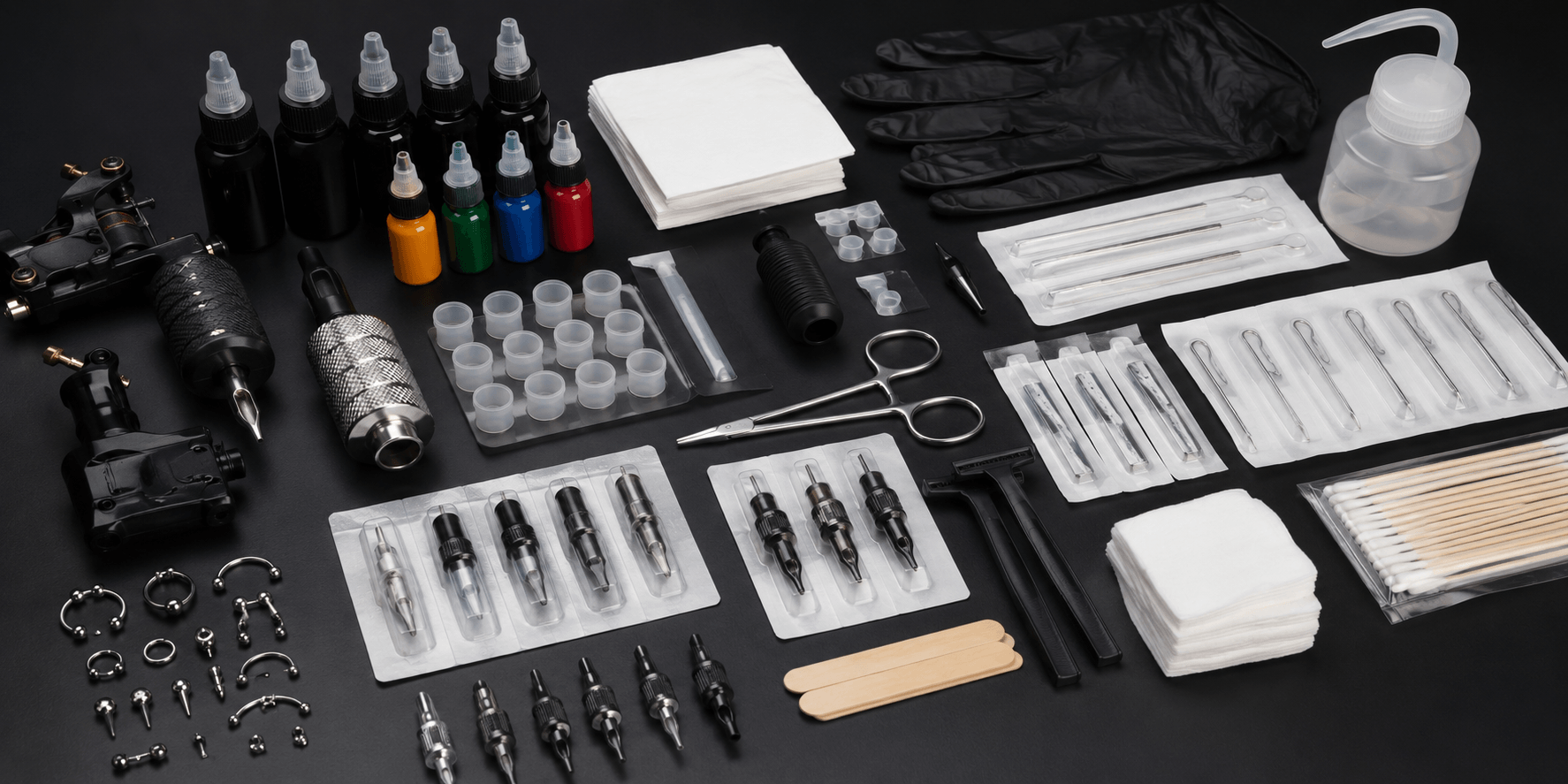
If you’re looking to get into the trade, don’t buy those cheap tattoo kits from random sites. They’re dangerous. Real professional tattoo supplies are built to last and to be safe. A proper tattoo supply store will have everything from rotary machines to precise needles and grips. High-quality tattoo equipment isn’t just about being fancy; it’s about precision. It means less trauma to the skin, which means you heal faster and the art looks crisper.
Final Thoughts on Your Transformation
At the end of the day, a tattoo or piercing is a beautiful way to show the world who you are. With the Aussie market growing so fast, there’s never been a better time to get involved. Just do your homework. Pick an artist who uses the best tattoo supplies, and don’t slack off on your aftercare. Your skin deserves the best. At Livingstone International, we’re all about providing the tattoo cleaning supplies and professional tattoo supplies that keep the industry safe. Treat your body with a bit of respect, and you’ll end up with a piece of art you’ll love forever.
Frequently Asked Questions (FAQs)
1. How do I identify the best soap for tattoos during the initial healing phase?
Look, you want something boring. The best soap for tattoos is fragrance-free and dye-free. Anything with “ocean breeze” scents will sting like a wasp. You need a pH-balanced liquid soap that kills germs without drying you out. If it’s got heaps of chemicals, put it back on the shelf.
2. Is it clinically safe to use tattoo kits or piercing kits for self-administration?
Strictly speaking, you can buy them, but you shouldn’t. Using tattoo products online at home is a recipe for disaster. You can’t get your bedroom as sterile as a pro studio with an autoclave. You’re looking at a high risk of infections or permanent scarring. Leave the tattoo equipment to the experts.
3. What specific features distinguish professional tattoo supplies from consumer-grade alternatives?
It’s all about the testing. Professional tattoo supplies are checked for heavy metals and bacteria. High-quality tattoo ink stays vibrant because the pigments are better. Cheap needles are often dull or burred, which chews up your skin. Always go for the pro stuff – it’s worth the extra cash.
4. What is the recommended timeline for switching jewellery in a primary piercing?
Don’t rush it! Lobe piercings might take 6 weeks, but cartilage can take a year. If you swap it too early with dodgy piercing supplies, the hole can close up or get a nasty bump. Always check with your piercer first and buy your new bits from a solid tattoo supply store.
5. Why is the application of tattoo cleaning supplies considered a critical safety step?
Think about it: a needle is pushing ink into your skin. If there’s bacteria sitting on the surface because you didn’t use proper tattoo cleaning supplies, that bacteria is going deep. That’s how you get “blowouts” or nasty staph infections. Clean skin is the only way to go.
6. How can I verify the regulatory compliance of tattoo products online in Australia?
You need someone who knows Aussie rules. A supplier like Livingstone International ensures all their tattoo & piercing gear meets the high standards we have here. Whether it’s tattoo ink or safety gear, always stick with a trusted name so you know exactly what’s going into your skin.