Infection control is a core operational responsibility for childcare services, not an incidental task. Surfaces such as cot rails, change tables and shared toys are touched by multiple children within minutes of each other, creating conditions in which pathogens transfer readily if hygiene products are not selected and applied correctly.
Alcohol wipes and disinfectant wipes serve distinct purposes and using either in the wrong context can leave a surface appearing clean while contamination remains. This article outlines the functional differences between the two product types, the evidence behind correct usage, and the procurement and training practices that support a genuinely hygienic childcare environment.
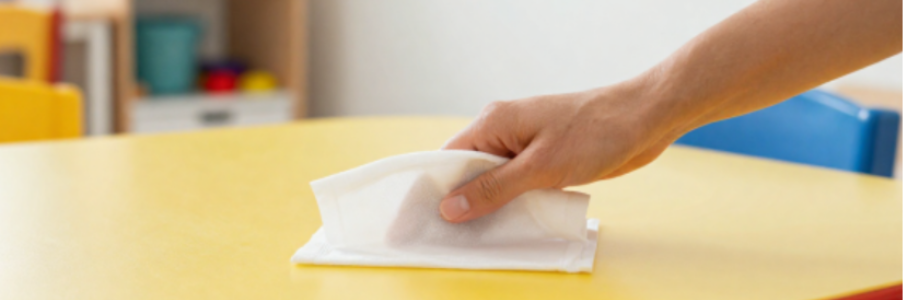
When Does an Alcohol Wipe the Appropriate Choice?
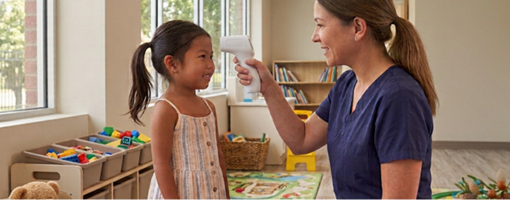
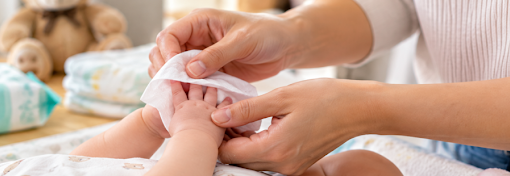
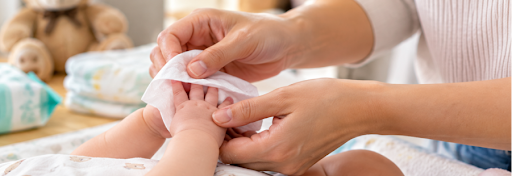
Alcohol wipes containing approximately 70% isopropyl alcohol evaporate rapidly and require no rinsing, making them appropriate for small, targeted applications such as thermometers, staff hand hygiene between nappy changes, and first aid equipment.
The Livingstone Alcohol Wipes provide a 70% isopropyl alcohol formulation designed for quick, individual use across a busy centre, which supports their inclusion in first aid kits, medication trolleys and nappy change stations where speed of use is a priority.
When Is a Disinfectant Wipe the Appropriate Choice?
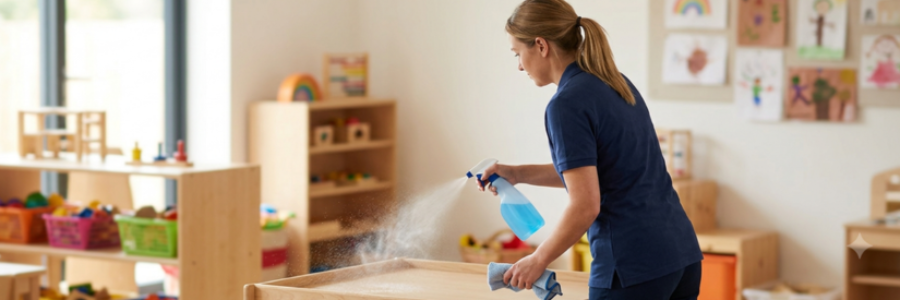
Disinfectant wipes are formulated for larger, higher demand surfaces such as change tables, cot rails, door handles and mealtime tables, and require the surface to remain visibly wet typically around 10 minutes for hospital grade formulations to achieve full antimicrobial effect.
The Livingstone Hospital Disinfectant Wipes are TGA listed, providing childcare directors with assurance that the product meets recognised standards for hospital grade disinfection rather than general household cleaning.
Tub and canister formats that dispense a single wipe at a time reduce product wastage and cross contamination compared with folded stacks and are more practical to keep within reach in nappy change areas, kitchens, classrooms and first aid stations. Pack sizes should be matched to cleaning frequency, so that services neither run short mid shift nor allow large tubs to dry out before use. Maintaining stock of both alcohol wipes and hospital grade disinfectant wipes allows staff to select the correct product for each task as it arises.
What Is the Difference Between Alcohol Wipes and Disinfectant Wipes?
Both product types remove germs, but each is made for a specific purpose and surface type. Treating them as interchangeable is one of the most common, and most avoidable, errors in childcare hygiene practice. Livingstone International supplies both formats within its Alcohol Wipes and Hospital Disinfectant Wipes ranges, enabling centres to align each product with its intended task rather than relying on a single wipe for every application.
Why Does Wipe Selection Matter So Much in Childcare Settings?
Children under five have weak immune systems, and childcare environments increase exposure to pathogens including norovirus, rotavirus and respiratory viruses. Selecting the correct wipe for each surface and task is therefore a health and safety requirement, not a discretionary purchasing decision.
Effective cleaning and disinfection of high touch surfaces is consistently identified as one of the most reliable ways to reduce the transmission of infectious illness in early childhood settings (National Health and Medical Research Council, 2013). A product that has not been tested to a recognised standard, or that is applied incorrectly, can leave a surface visually clean while pathogens remain active. This distinction between apparent cleanliness and verified disinfection is central to outbreak prevention in group care settings, and it places genuine weight on the product decisions made by centre management.
How Should Wipes Be Used to Maximise Infection Control?
Correct technique is as important as product selection, and requires removing visible soiling before disinfecting, keeping the surface visibly wet for 10 minutes, allowing it to air dry, and disposing of each wipe after a single use.
The following sequence should be applied to high touch surface cleaning:
- Remove any visible dirt, food or debris before disinfecting.
- Apply the disinfectant wipe and keep the surface visibly wet for 10 minutes.
- Allow the surface to air dry rather than wiping it dry immediately.
- Reserve alcohol wipes for quick, targeted tasks such as equipment or hand contact points.
- Dispose of used wipes immediately and never reuse a single wipe across multiple surfaces.
How Can Childcare Services Build a Culture of Hygiene Preparedness?
Stocking appropriate wipes addresses only part of the requirement. Services also need clear labelling, accessible placement in nappy change areas, kitchens and mat rooms, and regular refresher training so that staff apply the correct product correctly on every occasion.
Workplace health and safety obligations extend to the ongoing management of biological hazards, which reinforces that hygiene product selection sits within the broader risk management framework expected of childcare services (Safe Work Australia, 2023). Selecting the appropriate alcohol and disinfectant wipes is a comparatively minor procurement decision with a disproportionate impact on service outcomes. With TGA listed, purpose-built products in place, and staff trained in correct usage, childcare services can convert routine hygiene practice into a consistent and high standard of infection prevention.
References
- National Health and Medical Research Council (2013) Staying Healthy: Preventing Infectious Diseases in Early Childhood Education and Care Services, 5th edition. Australian Government.
- Safe Work Australia (2023) Managing the Risks of Biological Hazards in the Workplace.