Sometimes you look at a wound that is draining a lot and you wonder, “Why is this happening, and what should I use to control it?” It can make you feel worried, especially when the skin around the wound starts looking soft or irritated. Many people face the same problem at home, and they often don’t know which dressing will work best.
This is why absorbent dressings are so important. They help control heavy fluid, protect the skin, and keep the wound clean. Doctors trust them because they make wound care simple and safe, even for you at home. Many hospitals also rely on brands like Livingstone International, known for providing effective and gentle wound care products.
In this blog, you will understand why doctors always recommend absorbent dressings for wounds with heavy drainage and how using a Non-Adherent Absorbent Dressing or Non-adherent wound pad can make the healing process easier, smoother, and more comfortable.
What Are Absorbent Dressings?
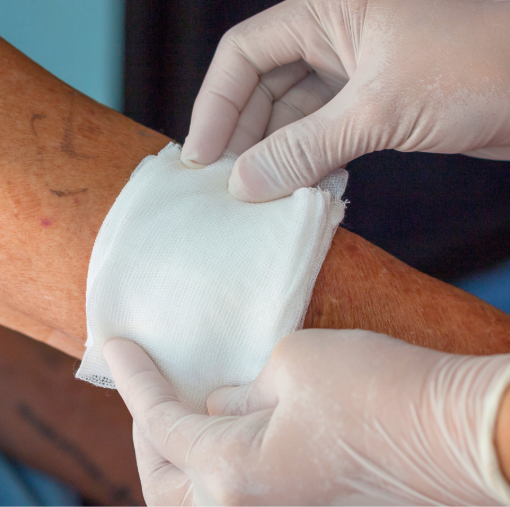
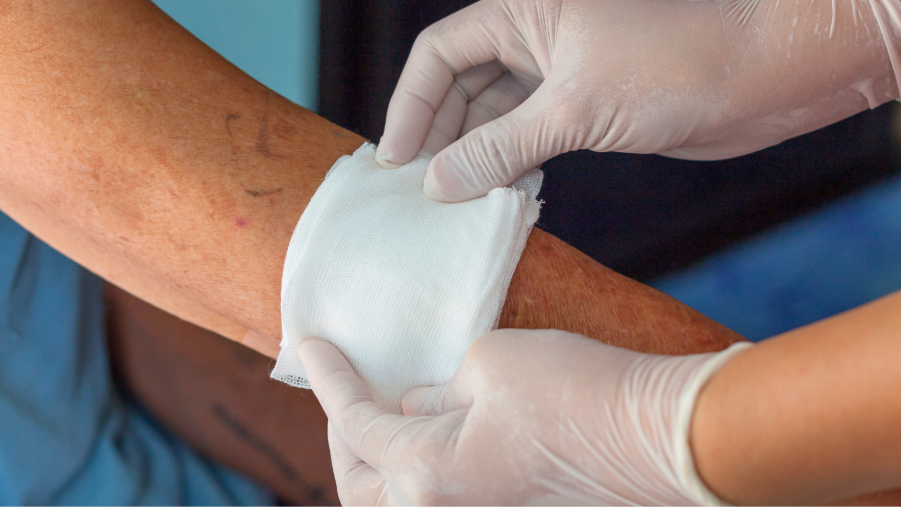
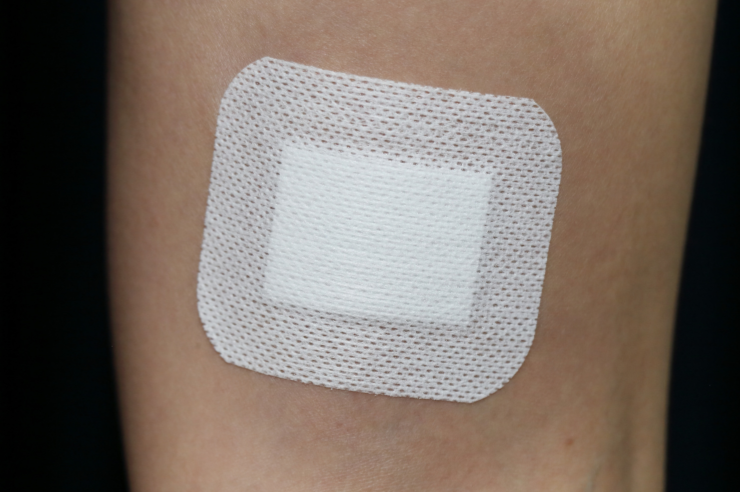
Absorbent dressings are soft pads made to soak up extra fluid that comes from a wound. When too much fluid stays on the skin, it can slow down healing. These dressings help by pulling the fluid away and keeping the area dry. Many people also prefer Non-Adherent Absorbent Dressing because it does not stick to the wound. This means you can remove it gently without causing more pain.
These dressings are useful for cuts, surgical wounds, pressure sores, and any wound that releases a lot of liquid. They are simple to use, which makes them a good choice for you, even if you are taking care of the wound at home.
Why Heavy Drainage Needs Special Care
A wound with heavy drainage is different from a small cut. The extra liquid can break down the healthy skin around the wound. It can also create moisture that bacteria love. This increases the chance of infection. So, doctors use dressings that can take in a lot of fluid and still stay soft and protective.
When the wound stays too wet, it becomes harder for new skin to grow. This is why you need the right dressing to balance the moisture. Absorbent dressings help the wound stay in a safe and healing-friendly environment.
Benefits of Using Absorbent Dressings for Wounds
1. They Control Excess Fluid
Absorbent dressings soak up fluid quickly and keep the wound dry. This is very important because heavy drainage can cause skin irritation. When the wound stays dry, it heals in a better way.
2. They Protect the Surrounding Skin
If fluid spreads on the skin, it can damage it. These dressings help by locking the fluid inside the pad. They protect your skin and reduce the risk of rashes and infections.
3. They Reduce Pain During Removal
If you use a sticky dressing, it can hurt when you take it off. A Non-adherent wound pad is different. It does not stick to the wound, so you can change it without pain. This is helpful for kids, older adults, and anyone with sensitive skin.
4. They Help Wounds Heal Faster
A clean and dry surface allows the wound to heal naturally. Absorbent dressings create this balance by removing extra moisture but still keeping the wound from drying out too much.
5. They Are Simple and Easy to Use
You do not have to be a medical expert to use an absorbent dressing. You just place it on the wound and secure it. The design makes it easy for anyone to use at home.
Types of Absorbent Dressings Doctors Recommend
1. Non-Adherent Absorbent Dressing
This type is great because it does not stick to the wound. You can remove it gently without disturbing the healing skin. It is ideal for wounds that require daily dressing changes.
2. Layered Absorbent Pads
These pads have multiple layers that soak up large amounts of fluid. Doctors use them for wounds with very heavy drainage.
3. Foam Absorbent Dressings
These dressings are soft, thick, and good at holding moisture. They also add a little cushioning, which makes the area more comfortable.
4. Island Dressings
Island dressings combine an absorbent pad with an adhesive border. They are secure and easy to apply, especially on larger wounds.
How Absorbent Dressings Reduce Infection Risk
Infection happens when bacteria enter a wound. When there is too much moisture, bacteria can grow faster. Absorbent dressings reduce this risk by keeping the wound environment balanced. They absorb the fluid but don’t allow the bacteria to spread.
Doctors recommend these dressings because they create a clean barrier. When you change the dressing daily, you also get a chance to see how the wound is healing.
Tips for Using Absorbent Dressings at Home
Here are simple tips to help you take care of the wound safely:
- Wash your hands before touching the wound.
- Clean the wound gently with normal saline.
- Use a Non-Adherent Absorbent Dressing for easy removal.
- Change the dressing every day if the wound is draining a lot.
- Check for signs of infection like redness, smell, or swelling.
- Do not press the wound too hard when applying the dressing.
- Keep the area dry and clean at all times.
If you ever feel unsure, you can always ask your doctor or nurse for guidance.
When Should You See a Doctor?
You should see a doctor if:
- The wound starts draining more than usual
- You notice a bad smell
- There is more pain than before
- The skin around the wound becomes red or warm
- The dressing becomes soaked within a few hours
Doctors can guide you and help you choose the right type of absorbent dressing.
Conclusion
Absorbent dressings play a key role in caring for wounds with heavy drainage. They protect your skin, reduce infection risk, and help the wound heal in a clean and comfortable way. If you want trusted and safe supplies, Livingstone International offers high-quality products like the PoreN Non-Adherent Absorbent Dressing that many healthcare workers rely on. You can check our product range on our website.