A small cut can happen when you least expect it. You’re chopping vegetables, opening a package or helping your child with a craft project, and suddenly there’s a little blood. It may not be serious, but you still need something clean and comfortable to cover it.
That’s where adhesive strips first aid products come in handy. They’re simple, easy to use and a must-have for most first aid kits. However, not every strip is made in the same way.
Some are designed for everyday cuts, while others are made for sensitive skin, regular movement or situations where sterility matters. So, how do you know which type is right for you?
Let’s look at the key things to consider before adding first aid adhesive strips to your home, workplace or travel kit.
What Are Adhesive Strips Used for in First Aid?
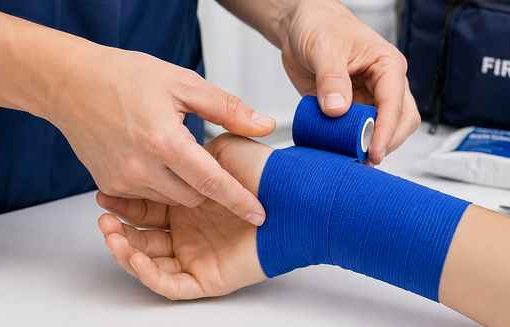
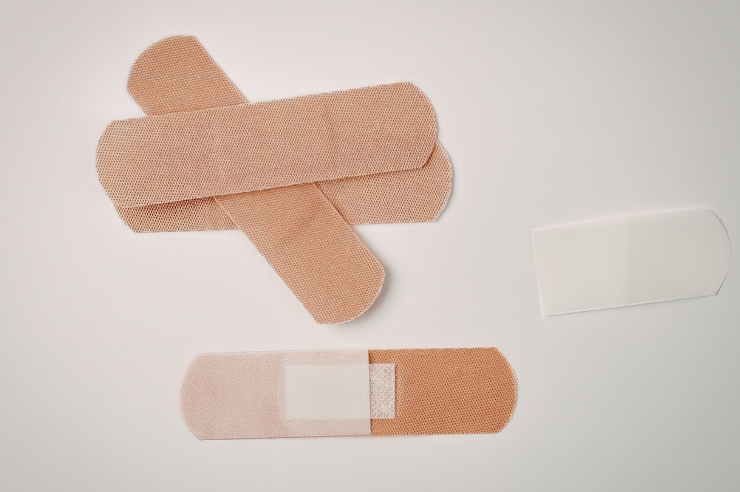
Adhesive strips are small wound dressings designed to cover minor cuts, grazes and small wounds. They usually have an absorbent pad in the centre, with an adhesive area around it to hold the dressing in place.
The pad helps protect the wound from dirt and contact with surfaces, while the adhesive keeps the dressing where it needs to be.
For example, imagine you’ve nicked your finger while preparing dinner. After cleaning the wound, you can place a suitable plaster strip over it to help protect the area while it heals.
They’re also useful in workplaces. A small paper cut, scrape or minor finger injury can happen during an ordinary working day, so keeping suitable first aid plaster strips nearby can save you a trip to the cupboard or medical room every time.
1. Start With the Type of Wound
Before choosing a strip, look at the wound itself.
For a small, shallow cut, a standard adhesive strip with an absorbent pad may be enough. For a slightly larger area, you may need a bigger dressing that provides more coverage.
Don’t use an adhesive strip simply because it’s available. The dressing should cover the wound properly, with enough space around it to stick securely to clean, dry skin.
If the wound is deep, heavily bleeding, badly contaminated or shows signs of infection, a basic plaster isn’t enough. In these situations, seek appropriate medical advice.
For minor cuts and grazes, clean the wound first and cover it with a suitable dressing or plaster. You can read more about caring for minor wounds in Healthdirect’s guide to wounds, cuts and grazes.
2. Choose the Right Material
The material can make a big difference, particularly if you’ll be wearing the dressing for several hours.
Fabric plaster strips are often a practical choice when you need flexibility. They can move more comfortably with your skin, which can be useful on fingers, hands and other areas that move frequently.
Plastic options are another common choice. Plastic strips first aid products can provide a smooth outer surface and are often useful for everyday minor injuries.
The important thing is to consider where the strip will be used. A dressing for a fingertip may need different qualities from one used on a less mobile part of the body.
3. Check Whether the Strip Is Sterile
For wound care, cleanliness matters.
If you’re covering an open cut, sterile plaster strips can provide an individually packaged dressing that’s ready to use when needed.
This is especially useful in workplaces, healthcare environments and first aid kits where you want dressings to remain protected until they’re required.
The Livingstone adhesive fabric strips featured for this topic are individually supplied as sterile strips and come with an absorbent pad. They’re also listed as latex-free, which can be useful for people who need to avoid natural rubber latex.
Always check the packaging before use and don’t use a sterile dressing if its individual packaging has been damaged or opened.
4. Think About the Size
One of the easiest mistakes is choosing a strip that’s too small.
A dressing should cover the wound completely, with the absorbent pad sitting over the injured area. The adhesive section should then have enough contact with the surrounding skin to keep the dressing in place.
The Livingstone adhesive fabric strips measure 73 mm × 18 mm and include a pad. They’re supplied in a box of 25.
For a tiny paper cut, this size may provide more coverage than you need. For a longer minor cut, however, the extra length can be useful.
It’s worth keeping a few different sizes in your first aid kit rather than relying on one type for every situation.
5. Consider How Much Movement the Area Gets
Think about where the injury is.
A cut on your finger can be awkward because you’re constantly bending and using your hand. A strip that doesn’t move comfortably may start peeling away when you wash your hands or carry out everyday tasks.
This is one reason fabric dressings can be useful for active areas. Their flexible material can make them more comfortable when the skin is moving.
On the other hand, if you need a dressing for a less active area, a plastic strip may work perfectly well.
There’s no single “best” material. It depends on what you’re doing.
6. Look for Latex-Free Options
If you or someone in your workplace needs to avoid natural rubber latex, check the product information before buying.
Latex-free dressings can be a sensible option when you’re putting together a shared first aid kit. You may not know everyone who will need to use it, so checking the materials beforehand can help you make a more suitable choice.
The Livingstone adhesive fabric strips are listed as latex-free and sterile.
7. Don’t Forget Comfort
A plaster might only be small, but you’ll notice it if it keeps rubbing, pulling or coming loose.
This is particularly true when you’re wearing one on your hand or finger. You may feel tempted to remove it simply because it’s uncomfortable.
A well-fitting strip should cover the wound without restricting normal movement. If the area is sensitive, think about the adhesive and material before choosing a product.
For workplaces, comfort is also important. Staff are more likely to keep a dressing in place when it doesn’t interfere with their normal tasks.
Fabric, Plastic or Standard Plaster Strips?
You might wonder whether you should buy adhesive plastic strips first aid products or fabric options.
Here’s a simple way to think about it:
- Fabric plaster strips: useful where flexibility and movement are important.
- Plastic strips: useful for everyday minor wounds where a smooth outer material is preferred.
- Sterile plaster strips: useful when you want an individually protected dressing for an open wound.
- Larger strips: useful when a standard small plaster doesn’t provide enough coverage.
The best choice depends on the injury, where it is and what you’ll be doing while wearing the dressing.
Keep More Than One Type in Your First Aid Kit
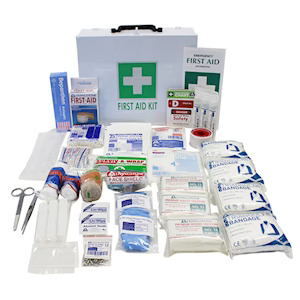
You might think one box of plasters is enough. In reality, having a small selection can make your first aid kit much more useful.
Keep a few different sizes and materials available. That way, if someone gets a small cut on their finger at work or scrapes their knee at home, you won’t have to make do with a plaster that doesn’t fit properly.
It’s also worth checking your kit regularly. Replace used dressings and check expiry dates so you’re not left searching for usable supplies when an injury happens.
Make Everyday First Aid Easier
You don’t need an enormous first aid kit to deal with minor cuts and grazes. You just need the right basics, stored somewhere clean and easy to reach.
When buying first aid adhesive strips, think beyond the price. Check the size, material, sterility, adhesive, flexibility and whether the product suits your intended use.
Livingstone’s sterile adhesive fabric strips offer a practical option for everyday first aid. They’re 73 mm × 18 mm, latex-free, supplied with an absorbent pad and packed in a box of 25.
Take a few minutes to check what your home, workplace or first aid kit actually needs. Having the right plaster strips for cuts ready when you need them can make dealing with those little accidents much simpler.
FAQs
1. Can adhesive strips be used on all types of cuts?
No. Adhesive strips are mainly suitable for minor cuts, grazes and small wounds. Deep wounds, severe bleeding or wounds that may need stitches require medical attention rather than a standard plaster.
2. How often should I change a first aid adhesive strip?
Change the strip if it becomes wet, dirty, loose or damaged. Even if it looks clean, replacing it regularly can help keep the wound protected. Always follow the product instructions for specific guidance.
3. Are fabric plaster strips better than plastic strips?
Neither is automatically better. Fabric plaster strips are often useful for areas that move frequently because they can feel more flexible. Plastic strips can be a practical option for everyday minor wounds. Choose based on the wound and where you’ll be wearing the dressing.
4. Why should I keep sterile plaster strips in a first aid kit?
Sterile plaster strips are individually protected until you need them. This makes them a useful option for covering minor open wounds, particularly in workplaces, schools, clinics and shared first aid kits.
5. Can I use adhesive strips first aid products if I have sensitive skin?
It depends on the individual product and your skin. Check the materials and adhesive information before use. If you notice redness, itching or irritation, remove the strip and seek appropriate advice if the reaction continues.