When it comes to wound care and minor injuries, choosing the right material can make a huge difference. Have you ever wondered why plastic strips are often preferred over other materials for cuts and grazes? If you have, you’re in the right place.
Today, we will explore plastic strips, how they compare to other materials, and why they are a smart choice for your home, workplace, or medical kit.
At Livingstone International, you can find high-quality, superior plastic strips that are safe, reliable, and easy to use. Let’s dive in and see why these strips stand out.
What Are Plastic Strips?
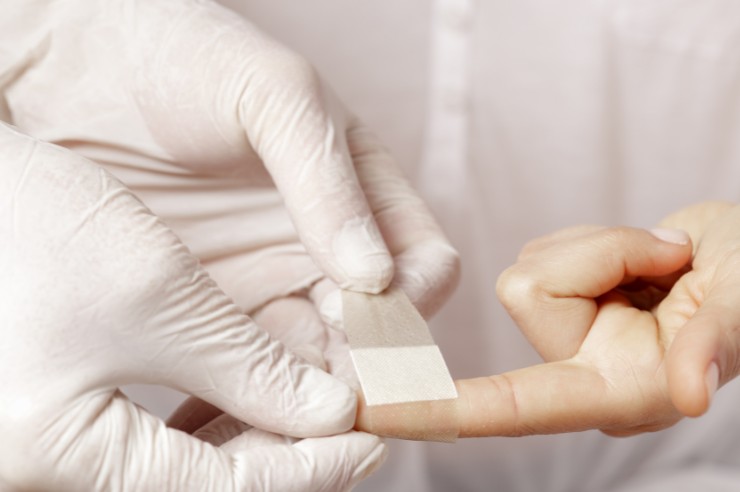
Plastic strips are small adhesive bandages made from flexible, durable plastic. They are designed to cover minor wounds like cuts, scrapes, or grazes. Unlike cloth or fabric bandages, plastic strips first aid products are waterproof, lightweight, and often latex-free, making them suitable for sensitive skin.
You might ask, why plastic and not fabric? Well, fabric strips can absorb fluids but may stick to the wound, which can be painful when you remove them. Plastic strips, on the other hand, are non-stick plastic strips, allowing the wound to heal faster and without discomfort.
Key Benefits of Plastic Strips
Here are some important reasons why plastic strips are preferred:
- Non-Stick Surface
Plastic strips are designed to stay on the wound without sticking to it. This prevents reopening the wound and reduces pain when removing the strip. - Water-Resistant
Unlike cloth bandages, plastic strips can resist water. You can wash your hands, take a shower, or even go swimming without worrying about the strip coming off. - Durable and Flexible
These strips bend and move with your skin. This flexibility keeps them in place longer and makes them suitable for active people or kids. - Hygienic
Many superior plastic strips are latex-free, reducing the risk of allergic reactions. They also allow the wound to breathe, which helps with faster healing. - Easy to Use
Plastic strips are simple to apply. You just clean the wound, place the strip, and you’re done. No complicated procedures, no pain, and very convenient.
How Plastic Strips Compare to Other Materials
Now let’s compare plastic strips with other common bandage materials like fabric, gauze, and hydrocolloid dressings.
1. Plastic Strips vs. Fabric Bandages
- Fabric bandages are soft and breathable but may stick to wounds.
- Plastic strips are waterproof and non-stick, which makes them more comfortable and hygienic.
- Conclusion: If you want a painless removal and better water resistance, plastic strips are the better choice.
2. Plastic Strips vs. Gauze
- Gauze is absorbent and used for larger wounds but needs medical tape to stay in place.
- Plastic strips already have adhesive, are easy to apply, and cover smaller wounds neatly.
- Conclusion: For minor cuts or scrapes, plastic strips are faster and simpler to use.
3. Plastic Strips vs. Hydrocolloid Dressings
- Hydrocolloid dressings are great for burns or blisters but are expensive and bulky.
- Plastic strips are affordable, lightweight, and easy to carry in your first aid kit.
- Conclusion: For everyday minor injuries, plastic strips are practical and cost-effective.
Who Can Benefit from Plastic Strips?
Plastic strips are not just for hospitals. Many people can benefit from them:
- Families: Keep a box at home for cuts, scrapes, and small injuries.
- Workplaces: Easy to provide first aid to employees instantly.
- Sports Enthusiasts: Flexible strips stay in place during physical activity.
- Schools and Daycares: Safe and gentle on children’s skin.
You can find a wide range of superior plastic strips at Livingstone International, perfect for home, office, or professional use.
Tips for Using Plastic Strips
Here are some simple tips to get the best results:
- Clean the Wound First – Always wash the area with water and mild soap.
- Dry the Skin – Moist skin can prevent the strip from sticking properly.
- Apply Carefully – Make sure the adhesive touches the skin but not the wound.
- Change When Needed – Replace the strip if it gets dirty or wet.
Following these steps ensures your wound heals quickly and safely.
Conclusion
Plastic strips have proven themselves as a reliable and convenient solution compared to fabric, gauze, or hydrocolloid materials. They are non-stick, water-resistant, durable, and easy to use. If you want quick healing and comfortable protection for minor wounds, superior plastic strips are the way to go.
When it comes to quality and trust, Livingstone International is a brand you can rely on. Our plastic strips first aid products ensure safety and comfort for everyone. Don’t wait for an injury to happen – make sure you have non-stick plastic strips from Livingstone International ready in your first aid kit today!