Workplace clinic essentials support organisations in creating a practical space for basic health assessments, early health observations and first aid support. While workplace health checks vary depending on the workplace environment, having reliable monitoring equipment can help trained personnel collect important health information when required. A Digital Blood Pressure Monitor is one example of equipment that can assist with routine blood pressure monitoring, while a Non-Contact Infrared Thermometer supports quick temperature checks without direct skin contact.
A suitable workplace clinic setup should consider the needs of employees, the nature of workplace activities and the level of first aid support required. From basic vital sign monitoring tools to hygiene supplies and emergency response equipment, well-planned workplace clinic equipment helps support safer health management practices across offices, industrial sites, education facilities and other workplaces.
What workplace clinic equipment is needed for basic health checks?
Workplace clinic equipment for basic health checks commonly includes tools that support observation of vital signs, injury management and hygiene practices. Depending on the workplace environment, this may include blood pressure monitors, thermometers, first aid supplies, disposable gloves, wound care products and cleaning equipment.
Health monitoring equipment can help trained personnel record basic observations and identify when further assessment or medical advice may be required. These tools are not intended to diagnose medical conditions or replace professional healthcare services, but they can support workplace first aid processes and health management procedures.
The equipment required for a workplace clinic will depend on factors such as workforce size, industry hazards, workplace activities and existing health and safety arrangements. A low-risk office environment may require different resources compared with a manufacturing site involving physical hazards or specialised risks.
Monitoring devices should be selected for appropriate workplace use and operated according to manufacturer instructions. Where required, personnel should receive suitable training to ensure equipment is used correctly and consistently.
Why are blood pressure monitors important for workplace health checks?
Blood pressure monitors support workplace health checks by allowing trained users to measure blood pressure readings as part of basic health observations. These readings provide information about systolic and diastolic pressure levels, which can be recorded alongside workplace procedures and health guidance.
Digital blood pressure monitors are commonly used because they can provide clear readings when operated correctly. The Livingstone Digital Blood Pressure Monitor Auto Inflating with Pulse measures blood pressure and pulse rate through an automatic inflation system, supporting trained personnel during routine workplace health observations.
Blood pressure readings can be affected by factors such as physical activity, stress, caffeine intake and existing health conditions. Workplace monitoring should therefore be treated as a supportive observation process rather than a substitute for medical assessment or diagnosis.
How does a non-contact thermometer support workplace health monitoring?
A non-contact thermometer supports workplace health monitoring by allowing temperature observations without direct skin contact. This can help workplaces follow procedures that require temperature checks while reducing the need for shared-contact measurement methods.
Infrared thermometers measure temperature by detecting infrared energy from the body surface, commonly the forehead area. The Livingstone Non-Contact Infrared Thermometer can support quick temperature observations when used correctly and interpreted alongside workplace procedures and relevant guidance.
Temperature measurement is only one part of understanding an individual’s health status. A reading should be considered together with other symptoms, workplace processes and professional advice where health concerns are identified.
What should workplaces consider when choosing first aid room equipment?
First aid room equipment should be selected based on workplace risks, employee needs and the activities performed at the site. There is no single setup suitable for every workplace, so organisations should consider their hazards, first aid arrangements and applicable workplace requirements when selecting resources.
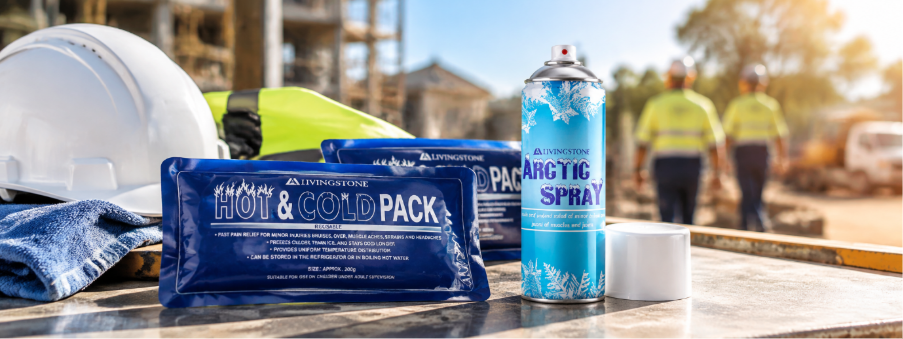
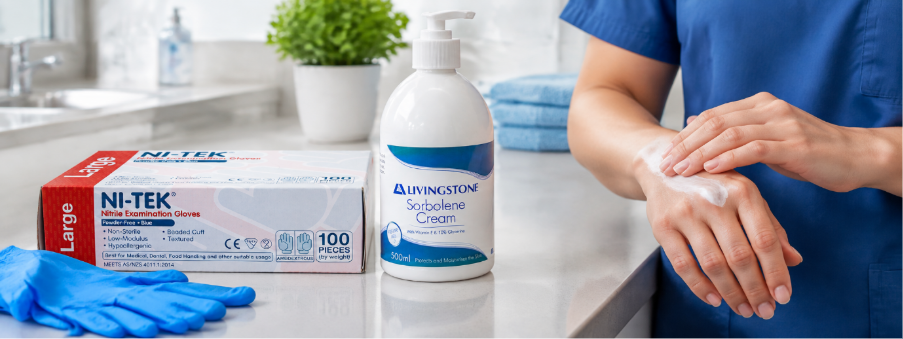
A first aid area may include disposable gloves, wound dressings, bandages, cold packs, cleaning supplies, sanitising products, resuscitation equipment where appropriate and health monitoring devices. The suitability of each item depends on the workplace environment and the needs identified through risk assessment.
Equipment should remain accessible, maintained and suitable for the intended users. Regular checks can help identify expired products, damaged items or devices requiring replacement before they are needed.
How can workplace clinics support employee wellbeing beyond basic monitoring?
Workplace clinics support employee wellbeing by providing a dedicated area for first aid assistance, basic health observations and appropriate guidance when health concerns arise. They form part of broader workplace health and safety practices rather than replacing medical services.
Beyond monitoring temperature and blood pressure, workplace clinics may support injury management, minor illness response and workplace health activities. The services provided depend on workplace requirements, available resources and the qualifications of personnel responsible for managing the area.
For workplaces reviewing their health facilities, practical workplace clinic essentials can support a more organised approach to employee care. Reliable monitoring tools, suitable first aid resources and effective procedures work together to support safer workplace health practices.
References
Safe Work Australia (2024) ‘First aid in the workplace’, Safe Work Australia. Available at: https://www.safeworkaustralia.gov.au/safety-topic/hazards/first-aid (Accessed: 23 September 2026).
Australian Institute of Health and Welfare (2024) ‘High blood pressure’, Australian Institute of Health and Welfare. Available at: https://www.aihw.gov.au/reports/chronic-disease/high-blood-pressure (Accessed: 23 September 2026).