A suitable sanitary disposal bin and reliable soap dispenser can support sanitary hygiene by helping workplaces provide practical waste disposal and handwashing arrangements within toilet facilities. Alongside these essentials, privacy, accessibility, regular cleaning and effective maintenance all contribute to amenities that remain functional and hygienic throughout the working day.
ABC News reported in September 2026 that some women working on Canberra construction sites were leaving worksites to find suitable toilet facilities, particularly on residential jobs. Workers described unavailable, unsuitable or poorly maintained amenities, including concerns around access to appropriate sanitary disposal options. The report highlights a broader workplace issue: whether toilet facilities adequately support the sanitary hygiene needs of the people using them.
Australian workplace guidance also places importance on facilities being appropriate for the workforce. Employers therefore need to consider not only whether toilets are available, but whether they remain accessible, private, clean and adequately maintained for everyday use.
This article looks at practical sanitary hygiene considerations for workplace toilets, including sanitary waste disposal, handwashing, cleaning and maintenance, while using the Canberra construction example to show why facilities should be reviewed against actual workforce needs.
What Does Good Sanitary Hygiene in Workplace Toilets Involve?
Good sanitary hygiene involves providing clean, accessible and functional toilet facilities supported by appropriate handwashing, waste disposal and maintenance arrangements. The exact setup will vary between workplaces, but facilities should remain suitable for the number and composition of people using them.
Under Australia’s model work health and safety framework, employers must provide adequate facilities while considering factors such as the nature of the work, workplace conditions, workplace size and location, and the number and composition of people at the workplace.
Safe Work Australia guidance also indicates that workplace facilities should be clean, accessible and private. These considerations become particularly important where amenities serve large workforces, multiple shifts or temporary and changing worksites.
Employers should therefore assess the complete sanitary environment rather than simply whether a toilet is present. Privacy, cleanliness, handwashing supplies, waste disposal and servicing all influence whether facilities remain suitable for daily use.
Why Is Sanitary Waste Disposal Important in Workplace Toilets?
Appropriate sanitary waste disposal allows period products to be disposed of privately and conveniently within toilet facilities. Providing a suitable sanitary bin inside a cubicle means workers do not need to carry used products outside the cubicle or search for another disposal point.
This is one area where the composition of the workforce directly influences facility needs. The ABC News report on Canberra construction sites included concerns about unsuitable toilet amenities and access to appropriate sanitary disposal options.
Sanitary bins should be positioned so they are accessible without unnecessarily restricting movement within the cubicle. Servicing arrangements should also reflect actual facility usage so bins remain suitable throughout the working day.
The appropriate disposal solution may differ between permanent offices, warehouses, construction sites and temporary facilities, but the objective remains the same: sanitary waste should be managed discreetly, hygienically and conveniently.
What Facilities Support Sanitary Hygiene in Workplace Toilets?
Effective sanitary hygiene depends on the overall condition and functionality of workplace amenities. Toilet facilities should provide privacy and safe access alongside appropriate handwashing arrangements, waste disposal, cleaning and ongoing maintenance.
Workplace guidance recommends that amenities remain clean, accessible and suitable for the workers using them. Employers should therefore consider whether toilet layouts, fixtures and servicing schedules continue to support practical use throughout the day.
Maintenance becomes particularly important in high-use and temporary facilities. Portable toilets, for example, may become unsuitable when cleaning, waste removal or consumable replacement does not keep pace with actual usage.
Regular inspections can help identify issues before they significantly affect workers. Inspection and servicing frequency may need to reflect workforce size, operating hours, shift patterns and the level of facility use.
What Handwashing Facilities Should Workplace Toilets Provide?
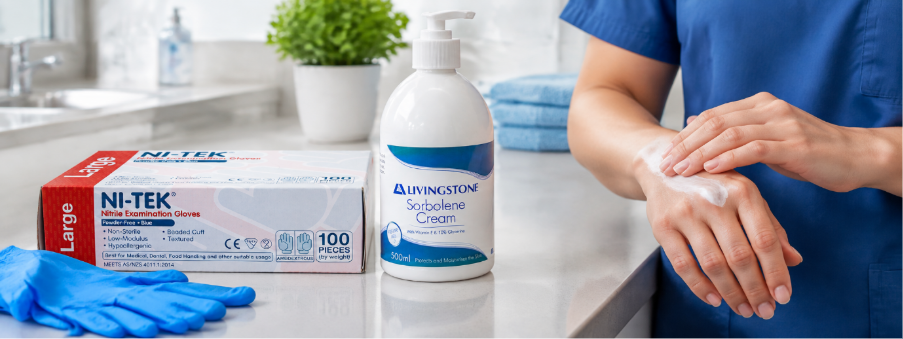
Workplace toilets should provide access to water, soap and a hygienic method for drying hands. These provisions form a basic part of sanitary hygiene and should remain available whenever workplace toilet facilities are operating.
The focus should be on reliable access rather than any particular dispenser design. A wall-mounted soap dispenser, for example, can provide a practical option for shared amenities when it is checked and refilled as part of routine maintenance.
Employers should also consider the complete handwashing area during inspections. A functioning tap alone is not sufficient if soap has run out or an appropriate hand-drying method is unavailable.
Monitoring water access, soap supplies and drying provisions alongside general cleaning can help maintain usable handwashing facilities throughout operating hours.
What Are the Workplace Requirements for Toilet Hygiene and Facilities?
Australian work health and safety laws establish duties relating to adequate workplace facilities, while Codes of Practice provide practical guidance on ways those duties may be achieved. Hygiene, accessibility, privacy and suitability therefore form part of broader workplace facility management.
It is important to distinguish legal requirements from good workplace practice. Work health and safety arrangements differ between Australian states and territories, so employers should confirm the legislation and approved guidance that applies to their location before treating individual recommendations as directly enforceable requirements.
Good facility management may also extend beyond minimum legal obligations. Reviewing sanitary disposal arrangements, privacy, accessibility, servicing schedules and worker feedback can identify practical improvements that contribute to more functional amenities.
Keeping these considerations separate helps employers distinguish statutory duties from broader sanitary hygiene practices.
How Can Inadequate Toilet Facilities Affect the Working Day?
Unsuitable toilet facilities can disrupt normal work routines when workers cannot readily access clean, private and functional amenities. In the Canberra construction example, some women reported leaving worksites to find suitable toilet facilities.
The issue is broader than women’s participation or productivity alone. Sanitary facilities form part of the everyday infrastructure required by a workforce, and inadequate amenities can create unnecessary interruptions when workers need to leave their usual work area to find suitable facilities elsewhere.
At the same time, some facility requirements depend on workforce composition. Sanitary waste disposal is one example where employers should consider whether available amenities accommodate the practical needs of the people using them.
Providing appropriate facilities can therefore help reduce avoidable disruptions by giving workers access to private, hygienic and functional amenities during working hours.
How Can Employers Review Sanitary Hygiene in Workplace Toilets?
Employers can review sanitary hygiene by comparing existing facilities with applicable workplace requirements and guidance, then assessing how those facilities perform during everyday use.
Reviews should consider workforce composition, facility usage, servicing frequency, cleaning arrangements, consumable availability and processes for reporting problems. Changes in workforce size, operating hours, location or shift patterns may also mean existing arrangements need to be reassessed.
Physical inspections can help identify practical issues that may not be obvious from cleaning schedules or servicing records. Employers can check whether cubicles provide sufficient privacy, whether sanitary disposal options are accessible and properly serviced, and whether soap and hand-drying supplies remain available.
A clear reporting process also allows workers to raise concerns about hygiene, maintenance, cleaning or supply shortages. Addressing these issues alongside routine inspections can help maintain sanitary facilities that remain suitable for the workforce using them.
References
Australian Broadcasting Corporation (2026) ‘Canberra women in construction having to leave job sites to find toilets and sanitary bins’, ABC News, 11 September. Available at: https://www.abc.net.au/news/2026-09-11/canberra-women-in-construction-have-no-toilets/107141440 (Accessed: 21 September 2026).
Safe Work Australia (2025) Model Code of Practice: Managing the work environment and facilities. Safe Work Australia, December. Available at: https://www.safeworkaustralia.gov.au/doc/model-code-practice-managing-work-environment-and-facilities (Accessed: 21 September 2026).