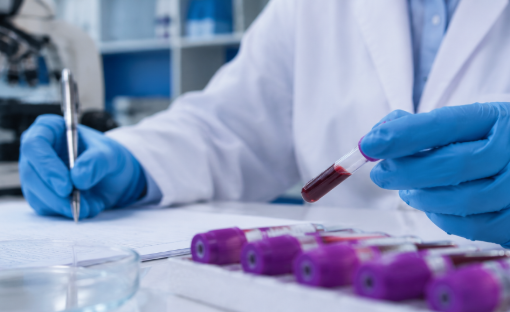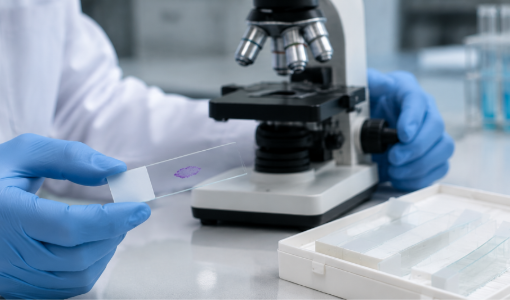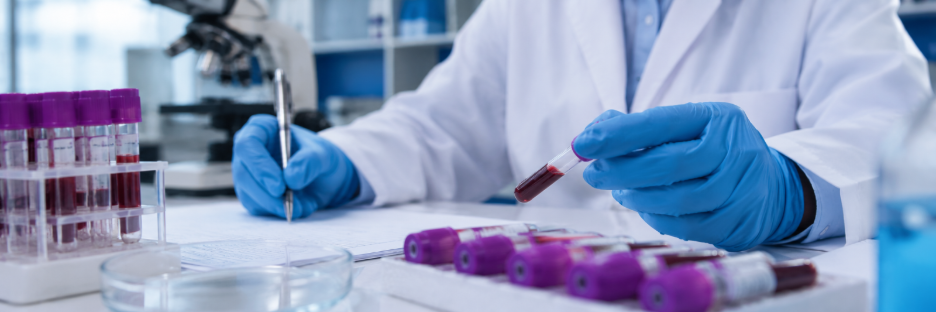
Culture tubes and test tubes can appear similar, and the terms may sometimes overlap depending on the supplier, laboratory and application. The key difference is not always the physical appearance of the tube, but the intended use, required specifications and the type of work being performed.
Culture tubes are commonly associated with microbiological applications, including the preparation, handling and observation of cultures or biological samples. Test tubes are broader laboratory vessels commonly used for general procedures such as mixing, holding, heating or observing samples during experiments.
Physical features such as material, size, closure type and sterility may vary depending on the intended application. Some culture tubes may include features suited to microbiology workflows, while general test tubes may be selected for routine laboratory tasks where specialised specifications are not required.
When selecting between culture tubes and test tubes, laboratories should consider the procedure being performed, sample requirements, compatibility with equipment and any relevant product specifications rather than relying only on the name or appearance of the tube.
What Is a Culture Tube Used For?
A culture tube is used for laboratory procedures involving the culturing, storing or handling of samples, microorganisms, and reactions. In microbiology workflows, suitable culture tubes can hold culture media or biological material during preparation, incubation or observation, provided the tube’s specifications and preparation method meet the requirements of the procedure.
A culture tube should not automatically be assumed to be sterile simply because it is described as a culture tube. Sterility depends on how the product is supplied, prepared, and handled. Laboratories conducting aseptic or microbiological procedures should confirm the manufacturer’s product specifications and follow their validated sterilisation or preparation procedures before use.
What Features Make Culture Tubes Suitable for Microbiology?
Culture tubes support microbiology workflows when their material, dimensions, closure system and cleanliness or sterility status are appropriate for the intended procedure. Borosilicate glass culture tubes may be selected for applications requiring good thermal stability and resistance to temperature changes, depending on the specific product specifications and intended laboratory use. Their transparent construction also allows samples and culture media to be visually observed during laboratory handling and incubation.
Closure compatibility should be considered separately because not every culture tube is designed for the same stopper, cap or sealing system. Similarly, suitability for autoclaving, incubation temperatures or repeated reuse should be confirmed through the manufacturer’s specifications and the laboratory’s own procedures rather than assumed from the term “culture tube”.
What Is a Test Tube Used For?
A test tube is a general-purpose laboratory vessel used for holding, mixing, preparing, heating or observing small quantities of samples and reagents where the selected tube is suitable for the procedure. Test tubes are available in different materials, sizes and designs, allowing laboratories to select options according to their specific handling requirements.
Test tubes may be used for many procedures, but suitability for direct heating, sterilisation, centrifugation or biological culture should never be assumed solely from the product name. Those applications depend on the individual tube’s material, wall construction, manufacturer specifications and laboratory method.
What Sizes and Materials Are Test Tubes Commonly Made From?
Test tubes are available in a wide range of dimensions and materials to suit different laboratory applications. Borosilicate glass is widely used where chemical and thermal properties are important, while other test tube ranges may use soda-lime glass or plastics such as polystyrene for applications where different handling or disposal characteristics are required.
Material selection is equally important. Borosilicate glass offers useful chemical resistance and thermal properties for many laboratory tasks, but no tube material should be assumed to be compatible with every reagent, temperature or process. Manufacturer specifications and chemical compatibility information should be checked before specialised use.
Can Culture Tubes and Test Tubes Be Used Interchangeably?
Culture tubes and test tubes may appear similar because they can share comparable shapes, materials and laboratory uses. However, they should not automatically be considered interchangeable. The appropriate choice depends on the intended application, including whether the tube requires features such as sterility, culture suitability, closure compatibility, material properties or specific performance requirements.
In medical and diagnostic laboratories, equipment selection and quality management form part of maintaining reliable testing processes. Laboratories operating under the NATA Medical Testing Accreditation framework are assessed against relevant requirements, including the competence of testing processes, equipment and supporting laboratory systems. Therefore, any tube used in a testing procedure should be suitable for the documented method, validated requirements and laboratory quality procedures.
How Do You Choose Between Culture Tubes and Test Tubes for a Laboratory?
Choose between culture tubes and test tubes by considering the intended procedure, sample type, material, dimensions, closure requirements, sterility or cleanliness needs and any specified temperature or handling conditions. Culture tubes are appropriate where the method specifically calls for culture-related sample handling, while test tubes suit a broader range of general laboratory tasks.
Laboratory managers should also consider compatibility with existing racks, holders and storage equipment, as well as whether the tubes will be reused or disposed of after use. If a procedure requires aseptic handling, confirm whether tubes are supplied sterile or whether they need to undergo an approved sterilisation process before use.
Purchasing decisions should be based on the documented laboratory method rather than assumptions based on names such as “culture tube” or “test tube”. Where the products have very similar physical specifications, intended use and procedural requirements become particularly important.
What Safety Considerations Apply When Handling Laboratory Glassware?
Culture tubes and test tubes made from glass should be inspected for cracks, chips or other damage before use and handled according to the hazards associated with the sample and procedure. Appropriate personal protective equipment, glassware handling practices and local disposal procedures help reduce the risk of cuts, breakage, contamination, and accidental exposure.
Damaged glassware should be removed from use rather than returned to normal laboratory workflows. Science ASSIST provides guidance for Australian school laboratory environments on managing and disposing of broken laboratory glass and porcelain, including the importance of establishing local procedures for collection, containment and disposal (Science ASSIST, 2014).
Where tubes contain biological, chemical or otherwise hazardous material, disposal requirements depend on the contamination and hazard involved. Laboratories should follow their relevant waste management, decontamination, and safety procedures rather than treating all broken or used tubes as general glass waste.
Culture tubes and test tubes may appear similar in shape, but selection should be based on the requirements of the procedure rather than appearance alone. Important considerations include tube material, sterility, closure type, temperature tolerance, compatibility with equipment and the intended laboratory application.
Laboratories should always confirm that the selected tube meets the method requirements and manufacturer specifications before use, particularly when working with microbiological samples or procedures involving specialised handling conditions.
References
NATA (n.d.) Human Pathology (ISO 15189) Laboratory Accreditation.