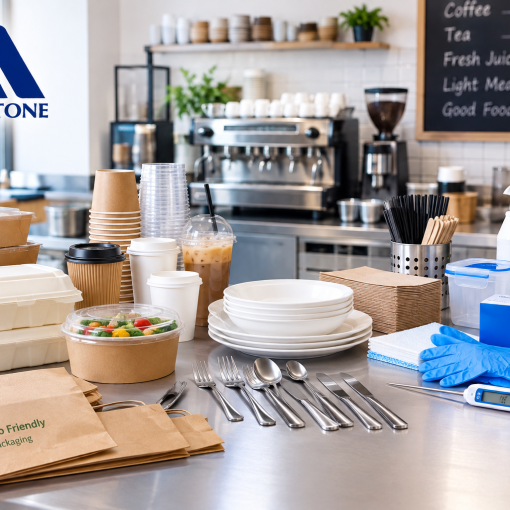
A busy cafe or restaurant depends on hundreds of small items working together. A missing takeaway lid, not enough cutlery or the wrong food container can slow down service when you need everything to run smoothly.
That is why choosing kitchen, packaging and bar supplies deserves more thought than simply buying what looks useful. You need products that match your menu, customer demand, storage space and daily operations.
If you are setting up a new business, Livingstone International can help you source a wide range of supplies for food service and hospitality. But before you start ordering, it helps to know what to look for and where to focus your budget.
Start With Your Menu and Service Style
The right supplies depend heavily on what you serve and how customers receive their food.
A small cafe serving coffee, sandwiches and cakes will have different needs from a full-service restaurant. Similarly, a pub that serves meals and drinks will need a wider range of bar and serving products.
Start by looking at your menu. What food needs to be prepared, stored and served? Do you offer takeaway? Do customers mostly eat in? Will you serve hot drinks, cold drinks or both?
These questions will help you build a practical list instead of buying products you may rarely use.
For a new cafe, focus first on the essential kitchen supplies for a new cafe. Once these are covered, you can add products based on customer demand and your daily experience.
How Do You Choose Kitchen Supplies?
Kitchen supplies should make everyday work easier for your team. Think about how often an item will be used, how easy it is to clean and whether it can handle regular commercial use.
Storage is another important point. Choose containers that are suitable for the food you prepare and easy to stack when possible. This can help you make better use of limited kitchen space.
You should also consider the size of your operation. A small cafe does not need to hold the same level of stock as a large restaurant. However, you should have enough of your most-used items to get through busy periods.
It is better to plan around your actual service than simply buying a large quantity of everything.
What Should You Look for in Cutlery and Crockery?
Plates, bowls, cups and cutlery are used throughout the day, so your choices need to suit both your customers and your staff.
This is where a cutlery and crockery guide for hospitality businesses can be useful. Start with the basic items your menu requires. A cafe may need teaspoons, forks, knives, plates, bowls and coffee cups. A restaurant may also need larger plates, side plates, serving dishes and additional glassware.
Think about durability too. Hospitality products are handled frequently and may be washed many times each day.
Your available storage space also matters. Before ordering, check where the items will be kept and how easily staff can access them during service.
There is no need to choose the largest range available. Choose products that support your menu and fit the way your business operates.
How Do You Choose Takeaway Packaging?
Takeaway packaging needs to do more than hold food. It should protect the contents and make it easy for customers to carry and eat.
Start by matching your containers to your menu. A soup container needs different features from a salad box. Hot meals may need packaging that can handle heat, while desserts may need smaller containers that protect their appearance.
Check the size carefully. A container that is too small can make packing difficult. One that is too large may waste space and material.
You should also check whether lids fit securely. A loose lid can cause spills and create a poor customer experience.
If you are reviewing eco-friendly packaging options for cafes, look beyond the label. Consider what the packaging is made from, how it should be disposed of and whether it is suitable for the food you serve.
Choose Bar Supplies Around Your Drinks Menu
Bars and restaurants need supplies that support quick and consistent service. Your drink menu should guide what you buy.
For a cafe, this may include takeaway cups, lids and drink accessories. A pub or restaurant may need glasses, serving items and other products suited to its drinks menu.
Think about your busiest service period. Running out of commonly used cups or glasses during a busy evening can put unnecessary pressure on your staff.
It is also worth keeping frequently used products close to the service area. This saves time and reduces unnecessary movement during busy periods.
Do Food Safety Supplies Need Special Attention?
Yes. Food safety should be considered when choosing kitchen equipment, storage products, cleaning items and other supplies used around food.
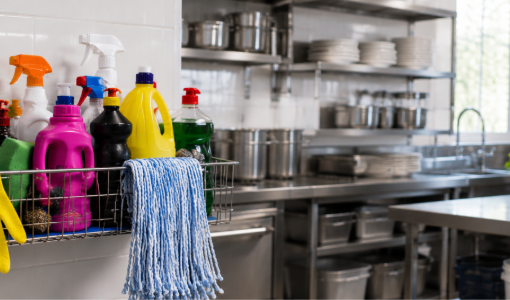
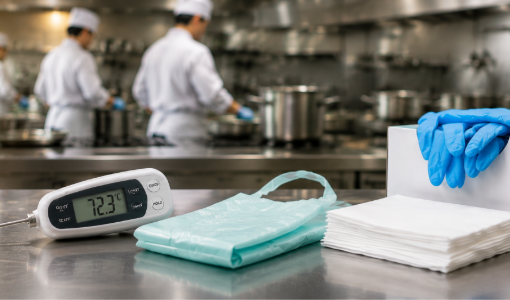
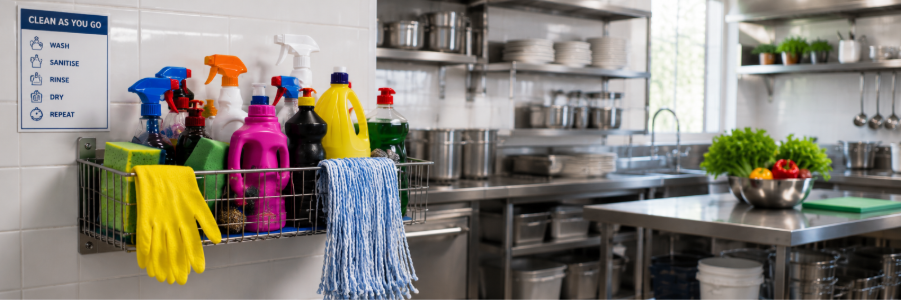
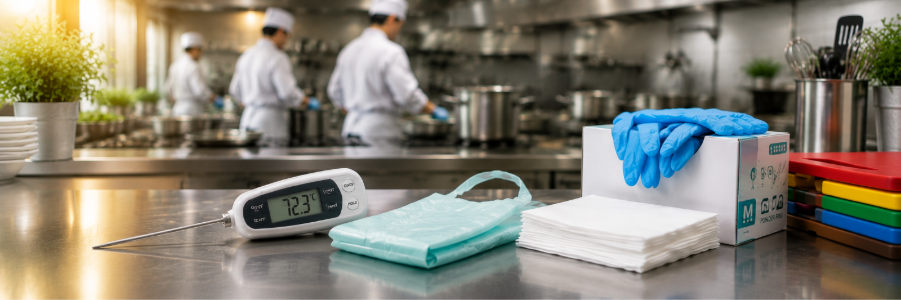
Your food safety supplies for commercial kitchens may include food-safe storage containers, thermometers, cleaning products, sanitising products and hygiene supplies. The exact items you need will depend on your food preparation and handling activities.
In Australia, food businesses must follow the relevant Food Standards Code requirements. Food Standards Australia New Zealand (FSANZ) explains that these standards cover areas such as food handling, cleaning, hygiene, storage, packaging and food premises.
Food Standards Australia New Zealand – Food Safety Standards
For example, potentially hazardous foods need to be kept at safe temperatures, and businesses need suitable processes to prevent contamination. FSANZ also recommends using clean and sanitised food-contact surfaces and keeping raw and ready-to-eat foods separate.
So, when choosing supplies, do not look only at price. Make sure the products are appropriate for their intended use and support your food safety practices.
How Much Stock Should You Keep?
Buying too little can create problems, but buying too much can tie up your budget and storage space.
A better approach is to identify your fast-moving products. These may include takeaway cups, containers, napkins, cutlery and other everyday items.
Estimate how much you use during a normal week. Then consider your busiest days and how long your supplier usually takes to deliver.
Keeping a small buffer for unexpected demand can be helpful. However, avoid filling your storage area with products you rarely use.
Review your stock regularly. Your first few months of trading will give you useful information about what you actually need.
Should You Consider Sustainability When Buying Supplies?
For many hospitality businesses, packaging and disposable products form a regular part of purchasing. Choosing products carefully can help you reduce unnecessary waste.
Start with simple changes. Look at whether you are using more packaging than necessary. Check whether the size of your containers matches your portions. Consider products made from materials that fit your business’s waste and sustainability plans.
However, sustainability should not come at the cost of performance. Packaging still needs to protect food and work properly during storage, transport and service.
The best choice is one that balances practical use, customer expectations, cost and your environmental goals.
Make Your Purchasing Plan Before You Order
Once you understand your needs, divide your supplies into clear groups.
You could create separate lists for:
- Kitchen and food preparation
- Storage and food safety
- Cutlery and crockery
- Takeaway packaging
- Cups and drink supplies
- Bar and serving supplies
- Cleaning and hygiene
This makes it easier to see what you already have and what still needs to be purchased.
It can also help you compare products without rushing into a large order. Check sizes, quantities, materials and intended uses before making your final choice.
Choose Supplies That Support Your Business
The right kitchen, packaging and bar supplies should make your daily work easier. They should fit your menu, service style and storage space without putting unnecessary pressure on your budget.
Start with the products you will use every day. Then build your stock around customer demand and the way your business operates. Pay particular attention to food safety, packaging quality and the products your staff rely on during busy service.
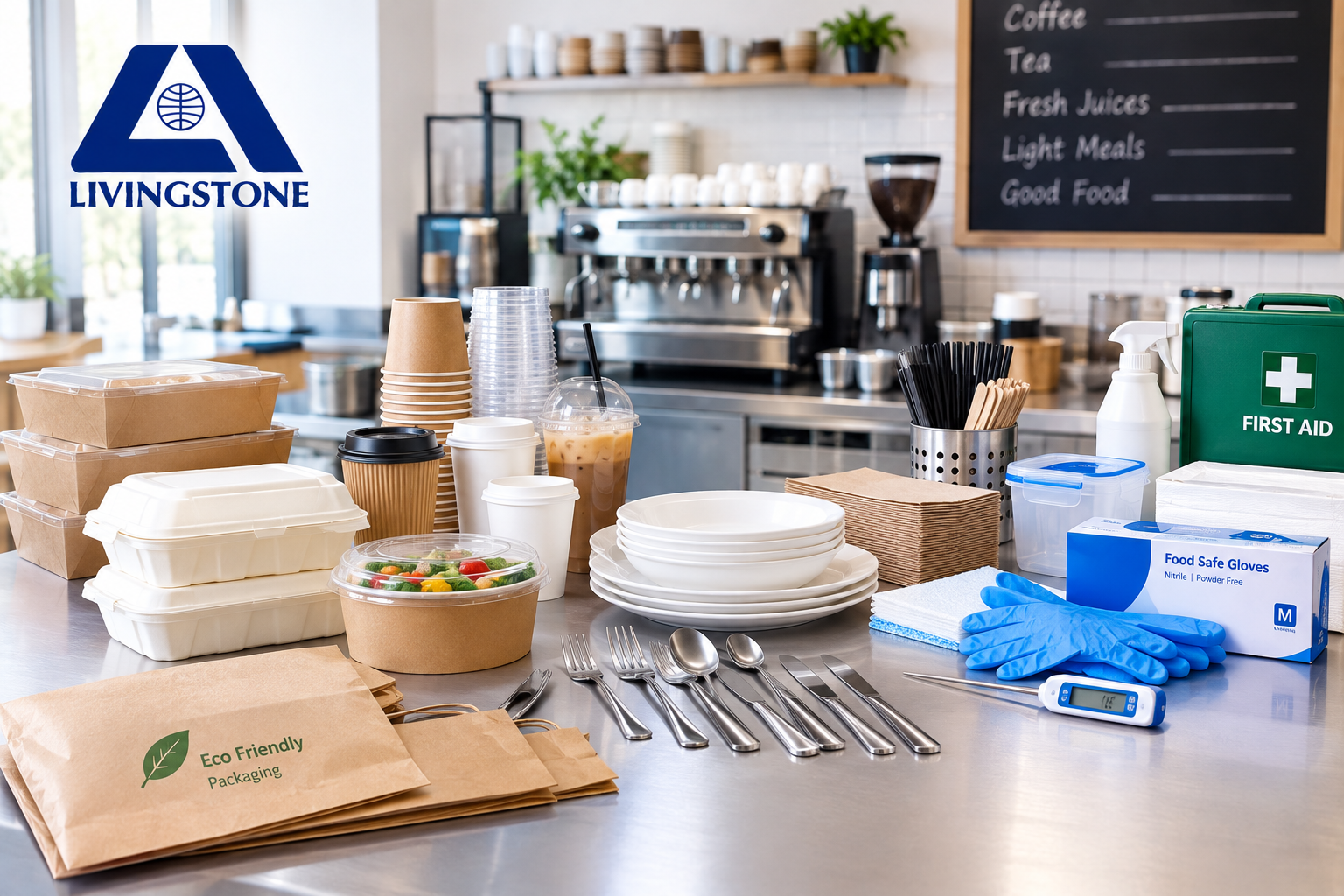
Livingstone International offers a broad range of supplies that can help cafes, restaurants and hospitality businesses source everyday products in one place. With a practical purchasing plan, you can choose products that support smoother service today and make it easier to manage your supplies as your business grows.
FAQs
1. How do I choose kitchen supplies for a new cafe?
Start with your menu and daily operations. Choose products that your staff will use regularly, are suitable for commercial use and fit your available storage space.
2. What should I consider when buying takeaway packaging?
Consider the type of food, portion size, container strength, lid fit, storage needs and disposal options. Packaging should protect food and be easy for customers to carry.
3. How much cutlery and crockery should a restaurant buy?
Your seating capacity, customer numbers and washing schedule should guide the quantity. Keep extra stock for busy periods, breakages and unexpected demand.
4. What food safety supplies does a commercial kitchen need?
Common supplies include food-safe storage containers, thermometers, cleaning products, sanitising supplies and hygiene products. Your exact needs depend on your food handling activities.
5. Are eco-friendly packaging options suitable for cafes?
Yes, but check whether the packaging suits your food and service requirements. Consider its material, performance, disposal method and fit with your sustainability goals.
6. How can I avoid overbuying hospitality supplies?
Track your actual usage before placing large orders. Focus on fast-moving products, review stock regularly and adjust quantities based on customer demand and busy periods.