Maintaining a HACCP-ready kitchen is less about grand renovations and more about the everyday tools and habits that keep food safety consistent. For healthcare facilities, aged care providers, hospitality venues and food service operators across Australia, the foundation of a compliant kitchen often comes down to simple, reliable consumables used correctly, every single shift. Well-run kitchens treat food safety as part of how the space naturally operates, supported by the right equipment placed where it is needed.
What Does HACCP-Ready Actually Mean?
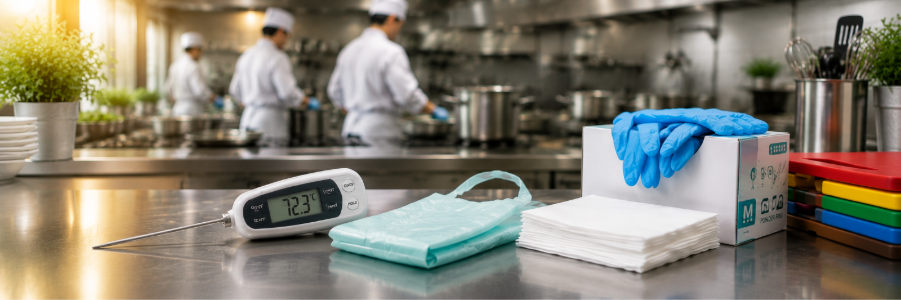
A HACCP-ready kitchen is one where hazard analysis and critical control points are built into daily routines rather than treated as a once-off compliance exercise. This means having the right equipment on hand, using it consistently, and training staff to recognise when a control point requires attention. A probe thermometer is one of the most fundamental tools in this process, allowing staff to verify that food is cooked, stored and reheated within safe temperature ranges at every critical stage. Alongside temperature monitoring, protective wear such as aprons plays an equally important role in preventing cross-contamination between raw and ready-to-eat foods, particularly in high-throughput kitchens preparing meals for vulnerable populations. When these tools are kept within easy reach of workstations, they reinforce good practice rather than relying on staff memory alone.
Why Everyday Consumables Matter for Compliance
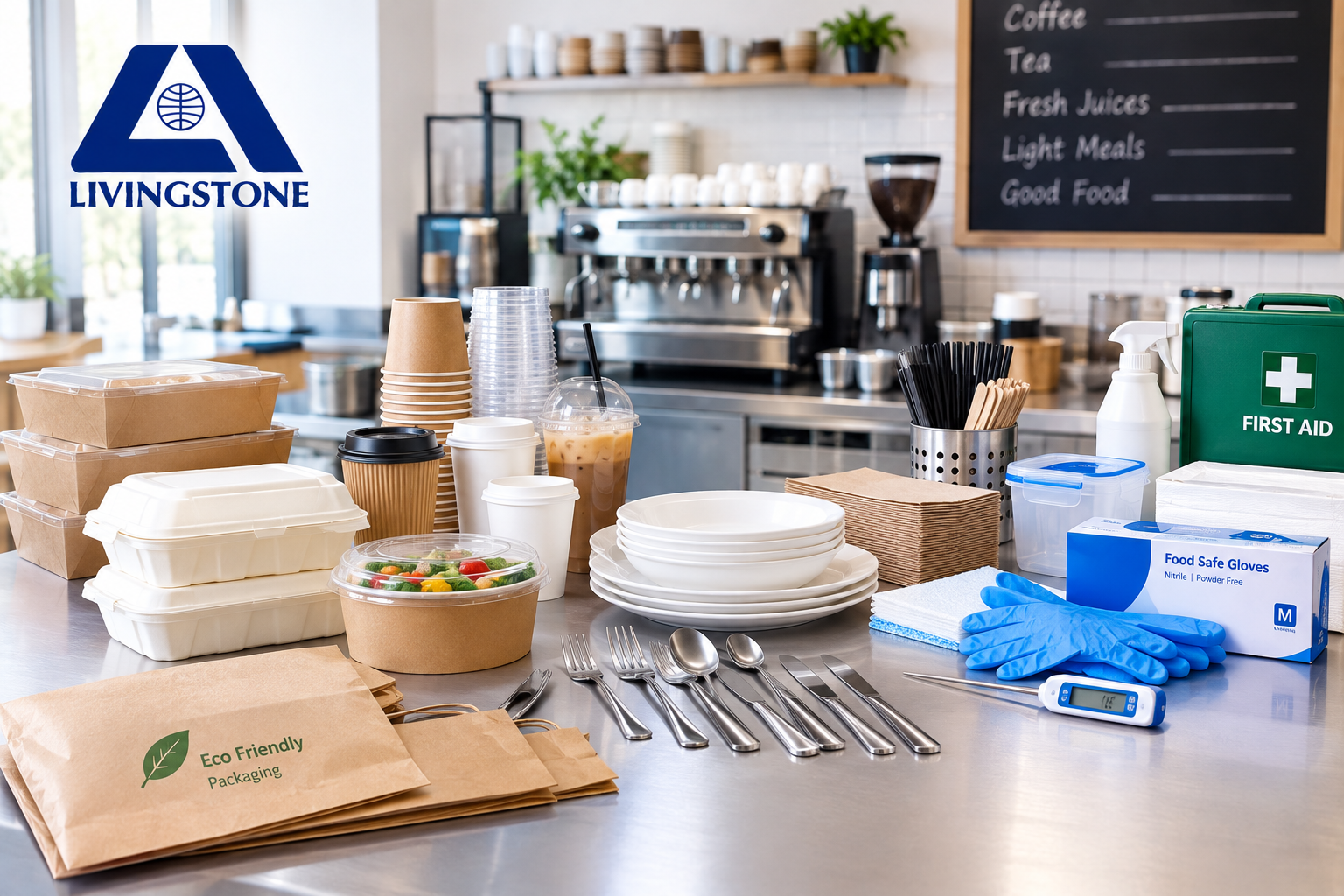
Kitchens serving hospital patients, aged care residents or members of the public are required to operate under a documented food safety program. While the paperwork matters, it is the physical consumables and practices behind the scenes that determine whether that program actually works day to day. Disposable gloves, colour-coded chopping boards, single-use wipes and properly maintained thermometers form the practical backbone of hazard control. Without these items readily available and correctly used, even the most detailed food safety documentation becomes difficult to uphold in a busy service environment.
This is particularly true during peak service, when staff are moving quickly between tasks and have little time to search for equipment or work around gaps in supply. A kitchen stocked with the right consumables, positioned logically along the workflow, allows food safety practices to happen almost automatically, without disrupting the pace of service.
How Do Consumables Support Each HACCP Principle?
Monitoring Critical Control Points
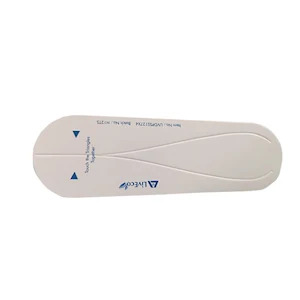
Temperature control sits at the heart of most food safety hazards, from receiving deliveries to cooking, cooling and reheating. A reliable probe thermometer allows kitchen staff to check internal temperatures quickly and record accurate readings, supporting the monitoring principle central to any HACCP-based program. Regular calibration and proper storage of thermometers between uses also help maintain measurement accuracy over time.
Preventing Cross-Contamination
Cross-contamination remains one of the more common causes of food safety breaches in commercial kitchens. Protective aprons, along with dedicated gloves and utensils for raw and cooked foods, create physical barriers that reduce the risk of transferring pathogens between surfaces, hands and food items. In healthcare and aged care settings, where residents may be more vulnerable to foodborne illness, this barrier protection becomes even more significant.
Supporting Staff Hygiene Practices
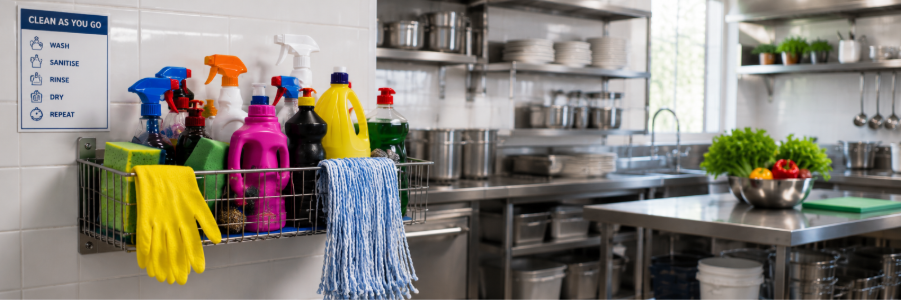
Consistent hand hygiene, appropriate protective clothing and accessible sanitising stations all contribute to a kitchen culture where food safety becomes second nature rather than an afterthought. When consumables are positioned conveniently throughout a kitchen, staff are more likely to use them correctly and consistently, strengthening the overall reliability of the food safety program.
What Should a Kitchen Prioritise First?
Reliable Temperature Verification
Before addressing more complex controls, kitchens should ensure accurate, easy-to-use thermometers are available at every relevant station, from delivery bays to service counters. This single step underpins several HACCP principles at once, from hazard identification through to ongoing monitoring.
Clear Separation of Raw and Ready-to-Eat Foods
Physical separation, supported by dedicated protective wear and colour-coded equipment, helps prevent one of the most preventable causes of contamination. Establishing clear protocols around when and where aprons or gloves should be changed reduces ambiguity for staff during busy periods.
Ongoing Staff Training
Even the best consumables are only effective when staff understand why they matter. Regular refresher training on correct use of thermometers, protective wear and hygiene stations helps embed good habits and reduces the likelihood of oversights during high-pressure service periods.
Building Habits That Last
A HACCP-ready kitchen is ultimately shaped by consistency rather than complexity. Facilities that succeed in maintaining compliance tend to treat everyday consumables as essential infrastructure rather than incidental supplies. By keeping temperature monitoring tools accurate and accessible, ensuring protective wear is readily available, and reinforcing good hygiene habits through ongoing training, healthcare, aged care, and hospitality kitchens can build a food safety culture that holds up under real-world pressure.
Food safety compliance is not achieved through documentation alone. It is reinforced through the everyday choices staff make when reaching for a thermometer, changing an apron, or following a hygiene protocol without needing to be reminded. These small, consistent actions are what transform a written food safety program into a genuinely HACCP-ready kitchen.
For healthcare, aged care and hospitality operators alike, the most sustainable path to compliance lies in supporting staff with dependable, well-placed consumables rather than adding complexity to already demanding environments. When the right tools are simply part of the kitchen, food safety stops being a separate task and becomes an integrated part of everyday operations.
References
- Food Standards Australia New Zealand (2025) Standard 3.2.1 – Food Safety Programs.
- NSW Food Authority (2026) Food Safety Programs.
- Department of Health, Victoria (2026) Australia New Zealand Food Standards Code.