Shower time can be deceptively rough on the skin. Hot water, strong cleansers and vigorous scrubbing may leave skin feeling “extra clean”, yet they can also contribute to dryness or irritation. A better approach is simpler: clean effectively, exfoliate only where appropriate, and use enough pressure to lift surface build-up without treating the skin like a surface that needs scouring.
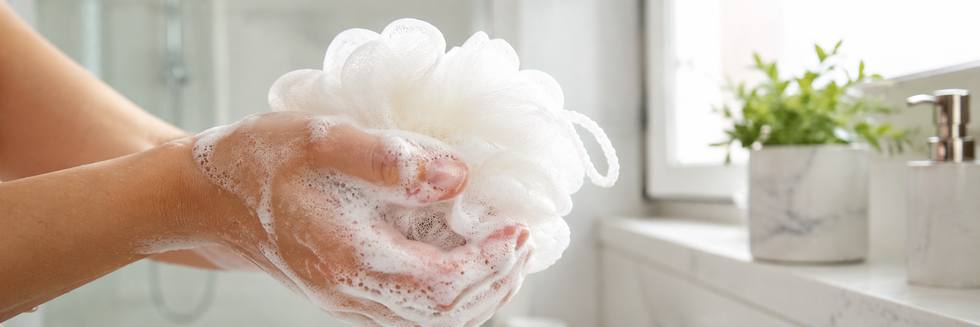
A loofah shower sponge can fit that routine when gentle mechanical exfoliation is suitable. The Livingstone Loofah Shower Sponge is a large plastic sponge designed for bathing and body cleansing. Its textured construction makes it relevant for everyday personal care, including bathrooms in homes, accommodation, healthcare support environments and aged care where individual needs allow.
For organisations reviewing bathing and hygiene supplies, Livingstone also groups related items within its Healthcare Personal Care Collection. The important question is not simply whether to use a sponge, but when exfoliation is useful, when gentler washing is preferable and how the item should be cared for between uses.
What does a loofah shower sponge do for your skin?
A loofah shower sponge is a textured bathing aid that helps spread cleanser and provides gentle mechanical exfoliation. Used with light pressure, it can remove surface debris and some dead skin cells. It should not be used aggressively, particularly on dry, irritated or fragile skin.
A loofah shower sponge creates light friction across the skin while washing. This can help loosen surface debris and shed some dead skin cells while distributing cleanser over larger body areas.
The effect is mechanical rather than chemical, so pressure matters. More force does not produce a better result. Aggressive scrubbing can leave skin feeling tight, tender or irritated, particularly when paired with hot water or a strong cleanser.
For routine bathing, think of the sponge primarily as a washing aid with optional gentle exfoliation. Arms, legs, elbows and knees may tolerate light circular movements, while sensitive areas may be better cleaned with hands or a soft cloth.
How often should you use an exfoliating bath sponge?
How often to use an exfoliating bath sponge depends on skin type, age and sensitivity. Start gently rather than scrubbing every day, and reduce frequency if skin becomes red, tight, sore or itchy. Shorter warm showers, mild cleanser and moisturiser can also help protect dry skin.
There is no single exfoliation schedule that suits everyone. Skin type, age, bathing frequency and existing dryness all influence how often an exfoliating bath sponge should be used.
Start gently and watch how the skin responds. Daily firm scrubbing is unnecessary for most people. If skin becomes red, sore, itchy or unusually dry, reduce the pressure or frequency.
A simple routine is:
- Wet the skin and sponge
- Apply a small amount of mild cleanser
- Move the sponge lightly rather than pressing hard
- Rinse thoroughly
- Pat dry instead of rubbing
- Moisturise while the skin is slightly damp if dryness is a concern
Exfoliation should feel mild. Persistent stinging or redness is a reason to stop, not a sign that the sponge is working.
Who should avoid or limit exfoliating with a loofah sponge?
People with broken, inflamed, sunburnt, very dry or fragile skin should be cautious with textured shower sponges. Older adults may also need gentler cleansing because skin becomes thinner and drier with age. When a skin condition or wound is present, follow individual clinical advice.
Not every skin condition benefits from exfoliation. Very dry, itchy, inflamed, sunburnt or broken skin may be aggravated by friction. Older adults can also have thinner, drier skin that needs a particularly gentle approach.
Healthdirect recommends gentle cleansing for dry or itchy skin and advises against over-scrubbing. For keratosis pilaris, a soft cloth or gentle scrub may help remove dead skin, but harsh scrubbing should still be avoided.
Extra care is appropriate around wounds, active rashes, cracked areas, fragile skin and recently shaved or irritated skin. When skin integrity is compromised, bathing should follow the person’s care plan or advice from a clinician rather than a general exfoliation routine.
How do you clean and care for a loofah shower sponge?
Rinse a loofah sponge thoroughly after each use, remove excess water and allow it to dry in a well-ventilated area. Replace it when damaged or difficult to clean. In shared care settings, allocate personal bathing items clearly and follow local infection prevention and hygiene procedures.
A shower sponge spends much of its life around water, so post-use care matters. After use, rinse out soap and visible residue thoroughly, remove excess water and allow the sponge to dry in a well-ventilated position.
Inspect it regularly and replace it when the material becomes damaged, difficult to rinse or no longer feels suitable for use. In shared facilities, assigning personal-care items to an individual helps prevent mix-ups. Healthcare and aged care services should also follow their own infection prevention and personal-item procedures.
What should healthcare and aged care facilities consider when choosing shower sponges?
Healthcare and aged care facilities should select bathing aids according to each person’s skin integrity, mobility, preferences and care plan. A textured sponge may suit some users, while fragile or compromised skin may require a softer option. Storage, identification, drying and replacement practices also matter.
In hospitals, residential aged care and supported-care environments, bathing is part of fundamental care. It contributes to cleanliness, dignity and opportunities to notice changes in skin condition.
The right bathing aid depends on the person. Someone with intact, resilient skin may prefer a textured sponge. Another person with frail skin, limited mobility, a pressure injury risk or a prescribed skin-care plan may need a softer cloth or different cleansing method.
Procurement teams should consider:
- Whether products are intended for individual use
- How items will be stored and identified
- Whether the texture suits the people receiving care
- How easily the item can be rinsed and dried
- Whether softer alternatives are available for fragile skin
A standardised supply does not mean every patient or resident should use the product in the same way.
What should you check before you buy loofah sponges online?
Before you buy loofah sponges online, compare material, size, pack format and intended use. Facilities should also consider how products will be allocated, stored and replaced. A low unit price should not outweigh suitability for the user’s skin, hygiene requirements or the practical needs of the care setting.
When you buy loofah sponges online, product information should make the material, size, pack format and intended use clear. These details help households and organisations compare options without assuming every bath sponge has the same texture or dimensions.
For institutional purchasing, consider expected turnover as well as unit cost. Bathing items should be easy to replenish when they become damaged or unsuitable rather than kept in use simply to reduce consumption.
How do you choose the right loofah shower sponge for personal care?
Choose a loofah shower sponge according to the user’s skin condition, bathing needs and tolerance for texture. Gentle use is more important than vigorous exfoliation. In healthcare or aged care, individual care plans and local hygiene procedures should guide whether a textured sponge is appropriate.
A loofah shower sponge is a simple personal-care item, but good use still depends on judgement. Gentle pressure can assist everyday washing and light exfoliation, while excessive scrubbing may irritate dry or sensitive skin. Skin condition, age and individual care needs should guide the routine.
The practical rule is straightforward: use texture where it adds value, choose something softer when the skin calls for it, and keep bathing tools clean, dry and allocated appropriately. Effective personal care is not about scrubbing harder. It is about matching the method to the skin.
References
Australian Commission on Safety and Quality in Health Care 2024, The Aged Care Infection Prevention and Control Guide, Australian Commission on Safety and Quality in Health Care, viewed 17 August 2026.
Clinical Excellence Commission 2021, Caring for your skin, NSW Health, viewed 17 August 2026.
Clinical Excellence Commission 2026, Patient care fundamentals, NSW Health, viewed 17 August 2026.
Healthdirect Australia 2024, Itchy skin: treatments, causes and prevention, Healthdirect Australia, viewed 17 August 2026.
Healthdirect Australia 2025, Keratosis pilaris: treatment, causes and symptoms, Healthdirect Australia, viewed 17 August 2026.