
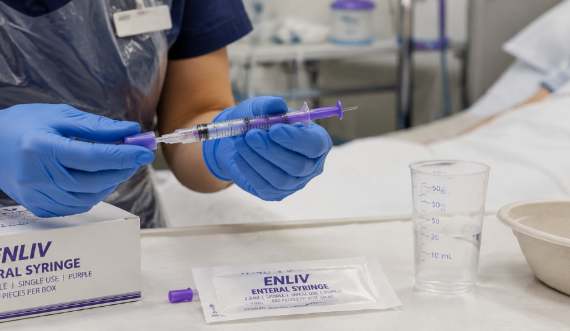
A 2 mL dose may look simple on a medication chart, but the device selected to measure and administer that volume matters. In enteral care, the syringe needs to suit both the amount being delivered and the connection through which it will be given. Facilities reviewing this product can refer to Livingstone Enliv Enteral Syringe for product […]
Daily Archives: September 12, 2026
10 posts
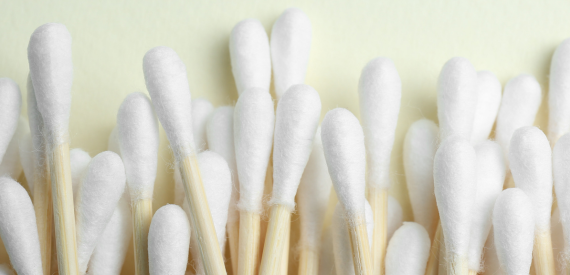
The most common mistakes when selecting cotton tip applicators are choosing the wrong type, overlooking sterility requirements, and ignoring the intended clinical use. Material, packaging, tip design, and sterile requirements all influence whether an applicator is suitable for a specific application. For healthcare facilities requiring a sterile option, Livingstone Cotton Tip Applicator is designed […]
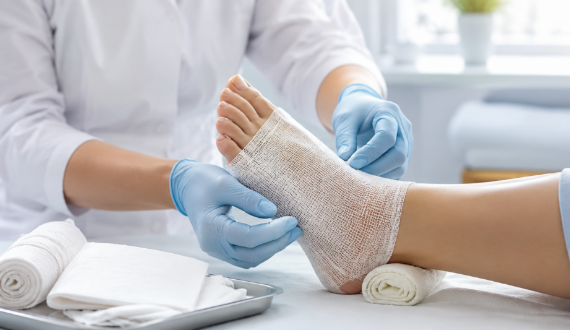
A paraffin gauze dressing is a sterile wound contact dressing made from open-weave gauze impregnated with soft paraffin. It is used when a wound needs a non-adherent interface beneath a secondary dressing, particularly where removing a dry dressing could disturb the wound’s surface. The dressing choice should still follow wound assessment, local protocols, and […]
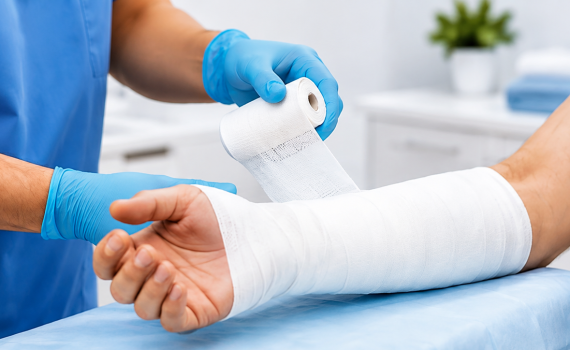
When a fracture or injury requires immobilisation, the quality of the cast material can influence the overall treatment process. A cast needs to provide reliable support while allowing clinicians to work efficiently and apply the correct technique for the patient’s condition. A plaster of Paris bandage remains a widely recognised casting material used […]
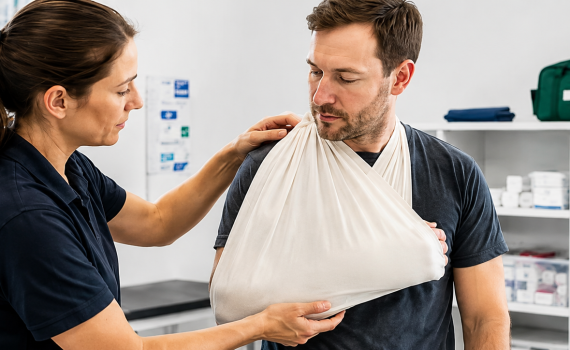
When an injury happens, the first response is often about providing simple support while deciding what happens next. A person may need an injured arm held still, a dressing secured or temporary protection while waiting for further care. In these situations, a versatile first aid item can make a significant difference. […]
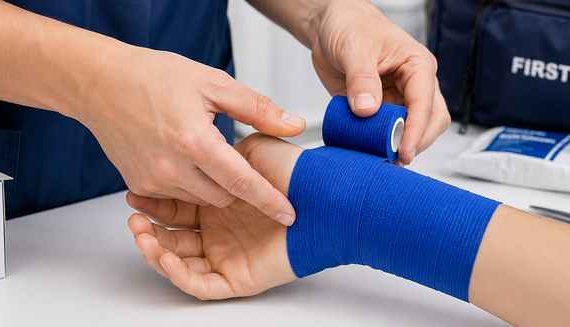
A bandage can stay firmly in place without glue sticking directly to the skin. That is the practical idea behind cohesive wrapping, a format used when a flexible layer needs to conform around a small joint, limb or dressing while gripping to itself. A cohesive bandage can be useful in first aid, […]
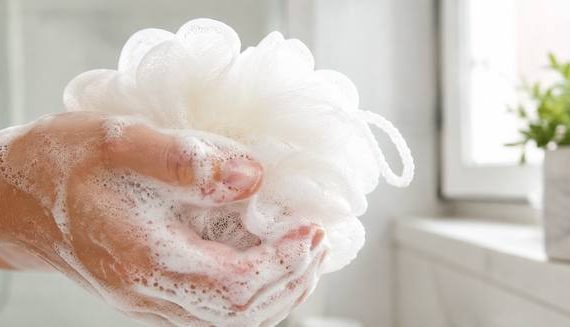
Shower time can be deceptively rough on the skin. Hot water, strong cleansers and vigorous scrubbing may leave skin feeling “extra clean”, yet they can also contribute to dryness or irritation. A better approach is simpler: clean effectively, exfoliate only where appropriate, and use enough pressure to lift surface build-up without treating the skin […]
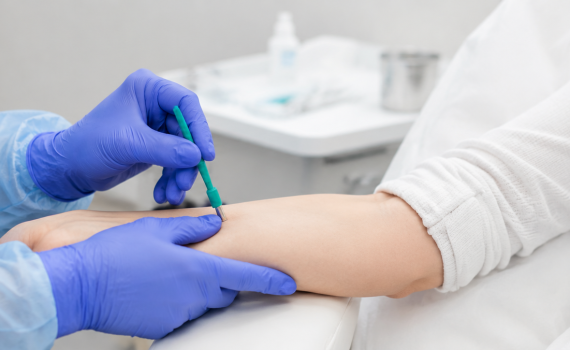
A skin lesion can be only a few millimetres across, yet the tissue sample taken from it may influence diagnosis, treatment planning and whether further investigation is needed. That makes biopsy technique a precision task. Choosing the correct site, depth and instrument size matters just as much as obtaining the specimen itself. […]
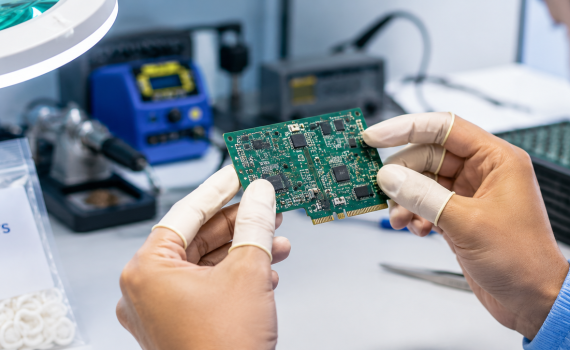
A full glove is not always the most practical answer when only one or two fingertips need covering. In laboratories, technical work areas and selected healthcare support tasks, workers may need a small barrier that limits fingertip contact with sensitive items while leaving the rest of the hand uncovered. That […]
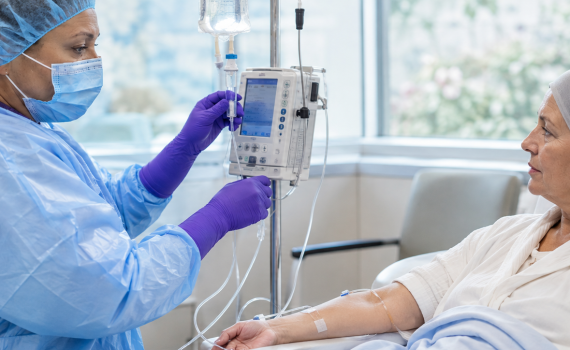
A glove can look intact and still be the wrong glove for the job. That matters when the task involves cytotoxic or other hazardous drugs, where skin exposure is a recognised occupational risk. For oncology units, hospital pharmacies, medical practices, laboratories and veterinary settings, glove choice needs to be matched […]