A skin lesion can be only a few millimetres across, yet the tissue sample taken from it may influence diagnosis, treatment planning and whether further investigation is needed. That makes biopsy technique a precision task. Choosing the correct site, depth and instrument size matters just as much as obtaining the specimen itself.
A biopsy punch is one of several tools clinicians may use to remove a small cylindrical sample of skin for histopathological examination. For procedures requiring a small-diameter instrument, the Livingstone Biopsy Punch provides a ready-to-use, single-use option with a stainless steel cutting edge and easy-grip handle. It sits within Livingstone’s broader Surgical Supplies Collection for clinics and procedural settings reviewing biopsy, blade, suture and other minor-surgery requirements.
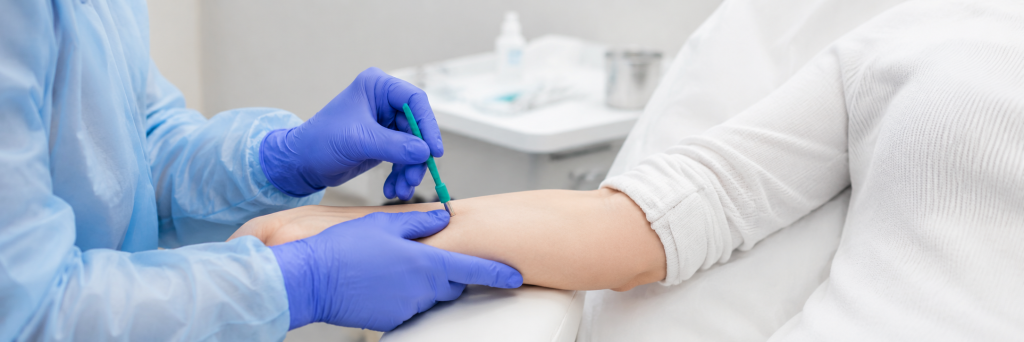
The important point is that punch size should follow the clinical purpose. A 1.5mm punch may suit selected applications, but it is not automatically the right size for every lesion.
What is a biopsy punch and how does it work?
A biopsy punch is a circular cutting instrument used to remove a small cylindrical sample of skin for laboratory examination. The resulting specimen can include several skin layers, depending on technique and depth. Accurate results also depend on selecting the correct biopsy site and handling the tissue carefully.
A punch biopsy removes a cylindrical core of skin so the specimen can be examined microscopically. Depending on the indication, the sample may include epidermis, dermis and deeper tissue. The technique is commonly used for selected inflammatory skin conditions and for sampling particular lesions when a punch is clinically appropriate.
Its diagnostic value depends on more than the cutting instrument. Site selection, sample depth, lesion type and specimen handling can all affect what the pathologist is able to assess.
That is why a biopsy punch should be considered part of a wider procedure. The clinician still needs to identify a representative area, use an appropriate technique, avoid crush damage and send the specimen in the correct container or transport medium.
Which biopsy punch size should be used for skin sampling?
The appropriate biopsy punch size depends on the lesion, anatomical location and diagnostic information required. A larger diameter may provide more tissue for histopathology, while smaller punches can suit selected limited or cosmetically sensitive areas. Clinicians should choose size according to the procedure rather than availability alone.
Punch size should be selected according to the lesion, anatomical site and information required from pathology. Australian general practice guidance notes that a 4mm punch provides an adequate sample for many punch biopsies, while smaller punches may be reserved for situations such as cosmetically sensitive areas.
That context matters for a 1.5mm instrument. Its small diameter can be useful where a clinician specifically needs a limited sample, but it may not provide enough tissue for every diagnostic question.
Before opening the instrument, consider:
- The suspected condition and required pathology
- The most representative biopsy site
- The depth of tissue required
- Whether a small punch can provide sufficient material
- The anatomical area and wound-management needs
When adequacy is uncertain, local protocols or pathology advice should guide the decision.
Why does a sterile stainless steel biopsy punch matter?
A sterile stainless steel biopsy punch provides a defined cutting edge for controlled tissue collection while reducing risks associated with using an instrument that breaches the skin. Single-use sterile punches also remove the need to reprocess the cutting device between patients, although normal aseptic and infection-control procedures still apply.
A sterile stainless steel biopsy punch provides a defined circular cutting edge for controlled tissue sampling. Sterility matters because the instrument breaches the skin, while single-use construction avoids reprocessing the cutting device between procedures.
The featured Livingstone punch combines a stainless steel cutting edge with an easy-grip handle and is supplied sterile and ready to use. A secure grip can help with controlled positioning, while a defined diameter assists with equipment selection for a planned procedure.
Sterility does not replace aseptic technique. Appropriate hand hygiene, skin preparation, PPE, procedure equipment and wound care remain part of safe clinical practice.
What mistakes can affect the quality of a punch biopsy sample?
Poor site selection, insufficient tissue, crush damage and incorrect specimen handling can reduce the diagnostic usefulness of a punch biopsy. The biopsy diameter should match the clinical question, and the removed tissue must be handled gently and placed in the correct transport medium for the requested pathology investigation.
Accuracy can be reduced before the specimen reaches pathology. Sampling an unrepresentative area, taking too little tissue, crushing the biopsy core or using an unsuitable transport medium can all limit diagnostic information.
One mistake is choosing a punch only by convenience or availability. Diameter should match the clinical question. Another is gripping the tissue too firmly during removal, which can damage the sample.
Specimen requirements also differ. Routine histology commonly uses formalin, while microbiology, direct immunofluorescence or specialised investigations may require different handling. Labels and request forms should clearly identify the specimen and provide relevant clinical information.
Decide the diagnostic objective first, then choose the instrument, collection technique and transport method around it.
What should clinics check before they bulk buy biopsy punches online?
Before clinics bulk buy biopsy punches online, they should compare required diameters, sterility, single-use status, pack quantities, procedure volumes and storage needs. Stocking several clinically relevant sizes can be more appropriate than relying on one diameter, because biopsy size should be selected for the lesion and diagnostic objective.
Before you bulk buy biopsy punches online, look beyond unit price. Purchasing should account for commonly performed procedures, size range, sterility, single-use status, pack quantity and whether clinicians can readily select the correct diameter.
Useful procurement questions include:
- Which punch sizes are routinely required?
- Are individually sterile, single-use instruments preferred?
- How quickly are different sizes consumed?
- Does the pack quantity suit procedure volume?
- Are product specifications easy to verify?
- Are specimen containers, dressings and sutures stocked separately?
How do you choose the right biopsy punch for a clinical procedure?
Choose a biopsy punch by matching the diameter and instrument design to the lesion, anatomical site, required tissue depth and pathology objective. Sterility, cutting quality and handling characteristics also matter. A small-diameter punch may suit selected procedures but should not automatically replace larger sizes or other biopsy techniques.
The right biopsy punch is one that can obtain an adequate sample for the specific lesion while fitting the anatomical site and planned technique. Diameter is only part of the decision. Sterility, cutting quality, handling and specimen requirements also matter.
Clinicians should start with the diagnostic question. A larger sample may be necessary when tissue architecture or depth is important, while a small-diameter punch may suit selected, limited applications. If another biopsy method is more appropriate for the suspected condition, the technique should change accordingly.
Equipment should enable the selected procedure, not determine it.
How should clinics approach biopsy punch selection and stock management?
Clinics should treat biopsy punches as procedure-specific instruments rather than interchangeable consumables. Stocking decisions should reflect the biopsy sizes clinicians actually use, while clinical selection should remain based on lesion characteristics, anatomical location and diagnostic requirements. Sterile instruments should be readily available without making one diameter the automatic default.
A biopsy may be small, but the decisions around it are not. Accurate sampling depends on selecting the right lesion area, choosing a diameter that can answer the diagnostic question, maintaining appropriate infection-prevention practices and protecting the specimen during handling and transport.
For procurement teams, the practical takeaway is simple: stock the sizes clinicians actually need, keep sterile instruments accessible, and avoid treating one punch diameter as suitable for every lesion. Good biopsy equipment begins with good clinical selection.
References
Australian Commission on Safety and Quality in Health Care 2019, Australian Guidelines for the Prevention and Control of Infection in Healthcare, Australian Commission on Safety and Quality in Health Care, viewed 17 August 2026.
Dicker, T 2024, Skin procedures in general practice, Australian Journal of General Practice, vol. 53, no. 8, Royal Australian College of General Practitioners, viewed 17 August 2026.
Healthdirect Australia n.d., Punch biopsy of a skin lesion, Healthdirect Australia, viewed 17 August 2026.
Royal College of Pathologists of Australasia n.d., Skin biopsy, RCPA Manual, Royal College of Pathologists of Australasia, viewed 17 August 2026.
Stevenson, P & Rodins, K 2018, Improving diagnostic accuracy of skin biopsies, Australian Journal of General Practice, vol. 47, no. 4, Royal Australian College of General Practitioners, viewed 17 August 2026.