The confirmation of the highly pathogenic H5N1 avian influenza strain on the Australian mainland marks a critical shift in national biosecurity and public health preparedness. While public health risk remains low, managing transmission requires strict agricultural quarantine protocols and the consistent use of protective wear alongside clinical hand sanitisers for personnel handling livestock or working in high-risk zones.
The first confirmed mainland case was identified on 20 June 2026, when the CSIRO Australian Centre for Disease Preparedness detected H5N1 in a migratory brown skua near Cape Le Grand National Park in Western Australia. Since then, additional detections have been confirmed in wild seabirds across Western Australia, South Australia and New South Wales, with surveillance continuing nationwide.
What Is H5N1 and Why Is This Detection Significant?
A Highly Pathogenic Avian Influenza Virus
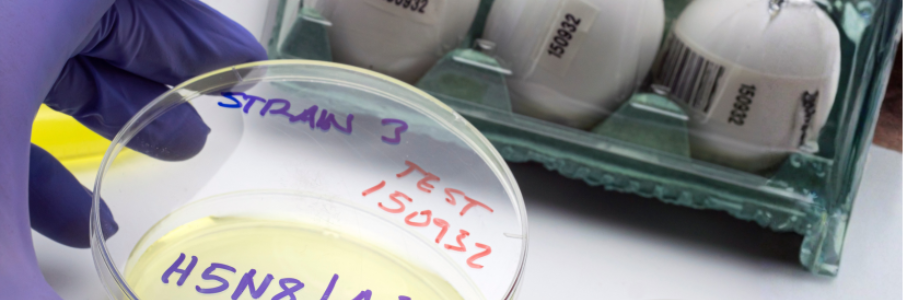
H5N1 is a highly pathogenic strain of avian influenza (bird flu) belonging to clade 2.3.4.4b, the same lineage responsible for widespread outbreaks in poultry, wild birds and mammals around the world since 2021.
Globally, the virus has resulted in the deaths of millions of wild birds and commercial poultry while also spreading to numerous mammalian species, including sea lions and elephant seals. On Heard Island, an Australian territory, the outbreak caused the loss of an estimated 75% of elephant seal pups, highlighting the devastating impact H5N1 can have on wildlife populations.
Until June 2026, mainland Australia remained free of this globally circulating strain. Its arrival represents a significant milestone in Australia’s ongoing biosecurity response.
How Did H5N1 Reach Australia?
The virus is believed to have arrived via infected migratory seabirds travelling between Australia and sub-Antarctic regions where H5N1 is already established.
Biosecurity experts have long identified migratory birds as the most likely pathway for the virus to reach Australia. Conservation scientists are particularly concerned that infected carcasses may be scavenged by other wildlife, creating additional opportunities for the virus to spread through native bird populations.
What Is the Current Risk of H5N1 to Human Health?
According to Australian health authorities, the current risk of H5N1 infection in the general community remains low. There is currently no evidence of widespread infection in Australian poultry flocks or sustained person-to-person transmission.
Globally, almost all confirmed human infections have involved prolonged, close contact with infected birds or other animals, particularly in occupational settings such as poultry farms, veterinary practices and livestock facilities.
Although community transmission remains unlikely, people working in high-exposure environments should continue following recommended infection prevention measures. Appropriate PPE, hand hygiene and biosecurity procedures remain essential for reducing occupational exposure.
Who Is at Higher Risk of Exposure?
While most Australians are unlikely to encounter the virus, some occupations involve a higher risk of exposure, including:
- Wildlife carers and rehabilitators handling sick or injured birds
- Poultry farmers and agricultural workers involved in bird handling or culling operations
- Veterinarians and animal health professionals attending to suspected cases
- Field researchers and ecologists conducting wildlife surveys in affected areas
- Biosecurity and emergency response personnel deployed to active detection sites
Depending on workplace risk assessments, recommended PPE may include:
- P2 or N95 respirators
- Safety goggles or face protection
- Disposable gloves
- Fluid-resistant gowns or coveralls
- Protective footwear
- Hair and head coverings
Appropriate PPE should always be used alongside effective hand hygiene and established biosecurity protocols.
What Should the General Public Do?
Although the risk remains low, everyone can help minimise the spread of H5N1 by following simple precautions.
If you find sick or dead birds or other wildlife, avoid touching them and report the location to the Emergency Animal Disease Hotline or your relevant state authority
Members of the public should also:
- Keep pets, particularly dogs and cats, away from dead or sick birds
- Wash hands thoroughly after any outdoor activity in areas where dead birds have been found
- Avoid consuming raw eggs or undercooked poultry, though food Standards Australia New Zealand advises that bird flu is not a food safety concern for chicken meat or eggs when they are handled hygienically and cooked thoroughly.
The Broader Threat to Australian Wildlife
Australia supports internationally important populations of migratory shorebirds, seabirds and native waterbirds that play vital ecological roles.
If H5N1 becomes established in wild bird populations, scientists believe eradication may become extremely difficult. Species such as pelicans, black swans, seabirds and threatened native birds could experience significant population declines, with broader impacts across Australian ecosystems.
To strengthen preparedness, the Australian Government has committed $113 million towards H5N1 response activities, including $47 million dedicated to protecting threatened wildlife and biodiversity. Surveillance and monitoring continue across every state and territory.
Staying Prepared Through a One Health Approach
The arrival of H5N1 highlights the close connection between animal health, human health and environmental health. This integrated One Health approach now underpins Australia’s response to avian influenza and guides collaboration between healthcare providers, veterinarians, agricultural industries and environmental agencies.
For organisations operating in healthcare, pathology, agriculture, veterinary services, laboratories and emergency response, preparedness extends beyond monitoring disease activity. Maintaining adequate PPE supplies, reinforcing infection control procedures and ensuring staff receive ongoing training all contribute to safer workplaces and a more resilient biosecurity response.
References
- Australian Centre for Disease Control 2026, Bird flu (avian influenza), Australian Government, viewed 13 July 2026.
- Australian Department of Agriculture, Fisheries and Forestry 2026, Bird flu (avian influenza), Australian Government, viewed 13 July 2026.
- Tasmanian Department of Health 2026, Bird flu (avian influenza), Tasmanian Government, viewed 13 July 2026.