A dental mirror supports everyday clinical procedures by providing indirect vision, reflecting light into the operative field and retracting the cheeks, lips and tongue. These functions improve visibility, support accurate examination and help clinicians work with greater precision and control.
Every dental appointment relies on accurate diagnosis, careful assessment and precise treatment planning. While advanced equipment supports modern dentistry, one of the most frequently used instruments remains one of the simplest. The dental mirror allows clinicians to visualise areas that are otherwise difficult to access, improve illumination and maintain a clear view throughout examination and treatment.
From routine oral examinations and hygiene appointments to restorative and endodontic procedures, dental mirrors play an essential role in everyday clinical workflows. Their ability to provide indirect vision, retract soft tissues and enhance visibility helps clinicians work more efficiently while improving patient care.
Choosing a high-quality dental mirror back surface supports consistent image clarity and dependable performance throughout repeated clinical use. Livingstone offers a comprehensive range of diagnostic mirrors and handles, including the Back Surface Mirror No 5, designed to provide reliable visibility for a wide range of dental procedures. For additional diagnostic instruments, explore the Livingstone Dental Diagnostic Mirrors and Handles Collection.
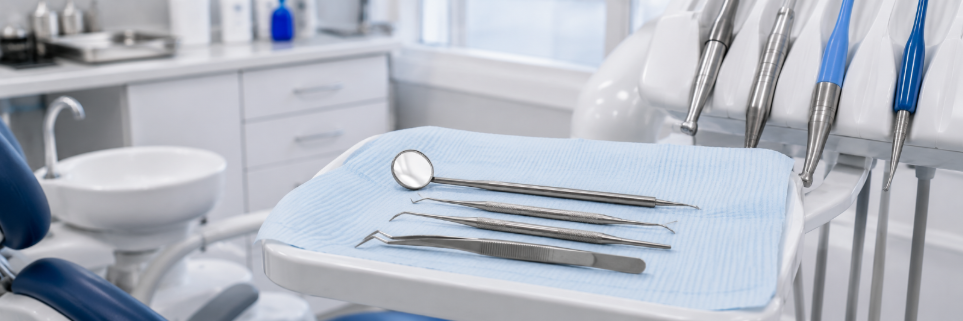
Why is a dental mirror essential for every dental examination?
A dental mirror is an essential diagnostic instrument that provides indirect vision, reflects light into the treatment area and retracts soft tissues during clinical procedures. These functions improve visibility, support accurate diagnosis and help clinicians perform examinations and treatments with greater precision and efficiency.
Few dental instruments are used as frequently as the dental mirror. Throughout a typical day, clinicians rely on it during examinations, preventive care, restorative procedures and endodontic treatment.
Unlike instruments designed for a single clinical purpose, the dental mirror performs multiple functions simultaneously, making it indispensable in almost every appointment.
Its primary functions include:
- Providing indirect vision of difficult-to-see tooth surfaces
- Reflecting operating light into the treatment field
- Retracting the cheeks, lips and tongue
- Improving visibility while maintaining clinician ergonomics
Together, these functions help clinicians examine the oral cavity more thoroughly while reducing unnecessary patient discomfort and operator fatigue.
How does a dental mirror improve clinical visibility?
A dental mirror improves clinical visibility by providing indirect access to posterior teeth, lingual surfaces and other difficult-to-view areas. It also reflects light into confined spaces and assists with soft tissue retraction, allowing clinicians to maintain a clear and unobstructed view throughout treatment.
Many areas of the mouth cannot be viewed directly because of natural anatomical limitations.
Posterior molars, lingual tooth surfaces and deep restorative sites often require clinicians to rely on indirect vision rather than direct line of sight.
By adjusting the angle of the mirror, clinicians can:
- Examine posterior teeth more comfortably
- View hidden restorative margins
- Assess occlusal and interproximal surfaces
- Monitor treatment progress without repositioning the patient excessively
The reflective surface also redirects overhead operating light into darker areas of the oral cavity, improving illumination without additional equipment.
This combination of indirect vision and enhanced lighting supports greater diagnostic accuracy and more precise treatment outcomes.
What is a dental mirror back surface and why is it widely used?
A dental mirror back surface features a reflective coating applied behind the glass, producing a clear, undistorted image while protecting the reflective layer from routine handling. This design provides dependable visibility and long-term durability across a wide range of everyday dental procedures.
Dental mirrors are available in several designs, with back-surface mirrors remaining one of the most widely used options in general practice.
Unlike front-surface mirrors, where the reflective coating sits on the exposed face of the glass, a dental mirror back surface positions the reflective layer behind the glass.
This construction offers several practical advantages.
Benefits include:
- Clear, consistent image quality
- Protection of the reflective coating during cleaning
- Improved durability throughout repeated use
- Reliable performance during routine examinations
Although both mirror types remain suitable for clinical practice, many practitioners appreciate the durability and dependable performance offered by back-surface designs during everyday patient care.
Why choose a Back Surface Mirror No 5 for routine dental procedures?
The Back Surface Mirror No 5 offers a practical balance between field of view, patient comfort and clinical manoeuvrability. Its versatile size makes it suitable for examinations, preventive care and restorative procedures while providing consistent visibility across a broad range of clinical applications.
Mirror size influences both visibility and ease of handling during treatment.
The Back Surface Mirror No 5 has become one of the most commonly selected mirror sizes because it provides a generous viewing area without becoming difficult to position within the oral cavity.
Its versatility makes it suitable for:
- Routine examinations
- Scale and clean procedures
- Restorative dentistry
- Endodontic treatment
- Prosthodontic assessments
- General diagnostic appointments
Maintaining several mirrors within each treatment room also allows practices to replace instruments quickly during busy clinical sessions, supporting efficient patient flow throughout the day.
How do quality dental mirrors support efficient clinical workflows?
High-quality dental mirrors help clinicians work more efficiently by providing consistent image clarity, reducing visual fatigue and maintaining reliable performance throughout repeated sterilisation cycles. Durable diagnostic instruments contribute to smoother workflows and support high standards of patient care.
Reliable diagnostic instruments allow clinicians to focus on treatment rather than equipment performance.
Poor-quality mirrors that become scratched, distorted or clouded over time may reduce visibility, requiring additional repositioning or repeated examination of treatment areas.
Quality diagnostic mirrors help practices by:
- Maintaining image clarity
- Improving clinician confidence during examinations
- Reducing unnecessary interruptions
- Supporting efficient patient appointments
- Providing dependable long-term performance
Livingstone’s range of diagnostic mirrors and handles has been developed to support the everyday demands of modern dental practice. Whether clinicians require individual replacement mirrors or complete diagnostic sets, the collection offers durable solutions designed for consistent clinical performance.
What infection prevention practices should dental clinics follow when using reusable dental mirrors?
Reusable dental mirrors should be cleaned, disinfected and sterilised between every patient in accordance with validated reprocessing procedures. Combining proper instrument maintenance with routine inspection helps preserve image quality, supports infection prevention and extends the service life of reusable diagnostic instruments.
Like all reusable dental instruments, mirrors must undergo validated reprocessing after every patient to minimise the risk of cross-contamination and maintain safe clinical practice.
Effective reprocessing involves more than sterilisation alone. Instruments should first be thoroughly cleaned to remove blood, saliva and other debris before disinfection and sterilisation are completed according to the practice’s documented protocols.
Dental mirrors should also be inspected regularly for:
- Scratches on the mirror surface
- Chips or cracks in the glass
- Corrosion or pitting
- Loose mirror heads
- Damage to the reflective coating
Even minor defects can reduce image clarity and affect diagnostic accuracy.
Following Australia’s current instrument reprocessing guidelines helps protect both clinicians and patients while ensuring diagnostic instruments continue performing as intended throughout their service life.
What should dentists consider before they buy dental mirrors online?
When clinicians buy dental mirrors online, they should evaluate mirror quality, reflective design, durability, compatibility with handles and validated sterilisation procedures. Selecting well-manufactured reusable instruments supports long-term clinical performance while improving efficiency across everyday dental practice.
Choosing a dental mirror involves more than selecting the correct size.
Practices should consider several important factors before purchasing new diagnostic mirrors.
Select the appropriate mirror design
Determine whether a front-surface or dental mirror back surface best suits the practice’s clinical preferences and treatment requirements.
Choose the correct mirror size
The Back Surface Mirror No 5 is widely used because it offers an excellent balance between visibility and manoeuvrability across a broad range of procedures.
Consider long-term durability
High-quality mirrors should withstand repeated cleaning, handling and autoclave cycles while maintaining image clarity and structural integrity.
Ensure handle compatibility
Selecting mirrors compatible with existing mirror handles helps reduce replacement costs while maintaining consistency throughout the practice.
Purchase from trusted suppliers
When practices buy dental mirrors online, sourcing products from established dental suppliers helps ensure instrument quality, product consistency and reliable ongoing supply.
Maintaining a complete range of diagnostic mirrors and replacement components also allows clinicians to respond quickly when instruments require replacement due to wear or accidental damage.
Supporting better clinical visibility every day
Accurate diagnosis begins with clear visibility. While the dental mirror is one of the simplest instruments used in modern dentistry, it remains one of the most valuable for supporting indirect vision, illumination and soft tissue retraction throughout everyday clinical procedures.
Choosing a high-quality dental mirror back surface, selecting the appropriate Back Surface Mirror No 5 for routine applications and following validated cleaning and sterilisation procedures all contribute to consistent clinical performance, improved diagnostic accuracy and safer patient care.
Livingstone’s range of Dental Diagnostic Mirrors and Handles has been developed to support the daily demands of busy dental practices. Whether you’re replacing individual mirrors or expanding your diagnostic instrument inventory, clinicians can buy dental mirrors online with confidence, knowing they’re selecting durable, reusable instruments designed for dependable clinical performance.
Explore the Livingstone International Dental Diagnostic Mirrors and Handles Collection to discover reliable diagnostic instruments that help support clearer visibility, efficient workflows and high standards of patient care every day.
References
Australian Dental Association. (2024). Guidelines for Infection Prevention and Control (5th ed.).
Standards Australia. (2023). AS 5369:2023 Reprocessing of Reusable Medical Devices and Other Devices in Health and Non-Health Related Facilities.