Have you ever finished a busy shift and realised how many different things you touched during the day? A patient’s bed, medical equipment, paperwork, door handles, cleaning products and much more. Most healthcare workers don’t stop to think about it because it’s simply part of the job.
The truth is, the biggest risks aren’t always the ones you can see.
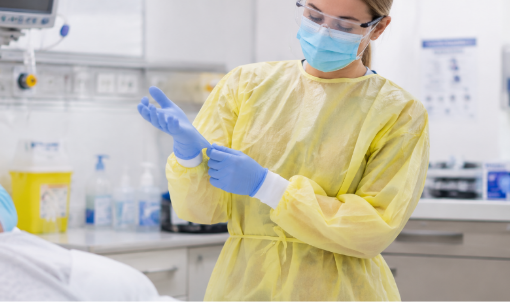
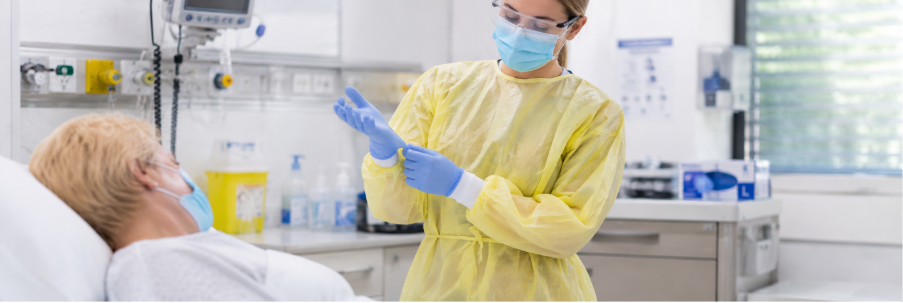
That’s why wearing the right personal protective wear matters. It’s there to protect you while helping you care for others safely.
At Livingstone International, you’ll find a wide range of healthcare PPE, including protective clothing, protective glasses, gloves, masks, gowns and face shields. Whether you work in a hospital, medical practice, aged care home or laboratory, having quality PPE on hand helps you do your job with greater confidence.
Let’s take a closer look at some of the hidden risks people often overlook when the right PPE isn’t being used.

The Risks Aren’t Always Obvious
When most people hear the words “medical PPE”, they think about major outbreaks or emergency departments.
But that’s only part of the picture.
Many workplace exposures happen during everyday jobs that seem completely routine. Drawing blood, cleaning equipment, changing dressings or handling samples can all carry risks.
The challenge is that you don’t always know when something unexpected will happen.
That’s exactly why healthcare workers wear PPE before a problem occurs instead of waiting until it’s too late.
The Australian Government recommends using appropriate PPE as part of standard infection prevention practices because not every infectious illness can be recognised straight away.
One Small Splash Can Become a Big Problem
Imagine you’re helping with a simple wound dressing.
Everything is going smoothly until the old dressing is removed. Suddenly, a small amount of fluid splashes upwards.
It’s over in seconds.
Without eye protection, those droplets can reach your eyes before you’ve even had time to react.
It doesn’t happen every day, but it only needs to happen once.
That’s why protective glasses are such an important part of medical PPE. They help shield one of the most sensitive parts of your body from blood, body fluids and chemicals that could cause injury or infection.
Many healthcare workers admit they rarely think about eye protection until an incident reminds them why it’s needed.
Your Uniform Can’t Protect You From Everything
A normal work uniform isn’t designed to stop infectious fluids or hazardous substances.
If blood or other body fluids soak through your clothing, they can reach your skin. In some situations, contaminated clothing may also spread germs to other areas before you even realise it.
That’s where proper protective clothing comes in.
Disposable gowns, coveralls and aprons create another layer between you and potential hazards. Once the task is finished, contaminated items can be removed safely instead of carrying those risks around the workplace.
It sounds like a small step, but it makes a real difference.
Patients Need Your PPE Too
People often think PPE is only there to protect healthcare workers.
In reality, it works both ways.
Imagine you’re caring for several patients during one shift.
Without changing PPE at the right time, germs can move from one patient to another without anyone noticing.
For older patients, newborn babies or people with weakened immune systems, that extra exposure can become a serious health concern.
Every glove change, fresh gown and clean face shield helps reduce that risk.
That’s one reason infection control procedures are followed so carefully in Australian healthcare settings.
Some Risks Build Up Slowly
Not every injury happens all at once.
Sometimes the effects appear after weeks or months.
Healthcare workers wash their hands countless times every day. They also use disinfectants, cleaning products and sanitisers that can dry out the skin.
Without suitable protective clothing and gloves during the right tasks, your skin can become cracked, sore and irritated.
It may seem like a minor issue at first.
But damaged skin is harder to keep clean and can increase the chance of harmful germs entering the body.
Looking after your skin is part of looking after your health.
Comfort Matters More Than You Think
Have you ever worn safety glasses that kept slipping down your nose?
Or gloves that didn’t fit properly?
It gets frustrating very quickly.
When PPE feels uncomfortable, people are more likely to adjust it, remove it too soon or avoid wearing it altogether.
That’s why quality matters.
Good PPE should help you work comfortably without getting in the way.
Livingstone International supplies healthcare products designed for busy workplaces where comfort, durability and reliable protection all matter throughout long shifts.
Don’t Let Routine Make You Too Comfortable
One of the biggest dangers in healthcare is becoming so familiar with a task that you stop thinking about the risks.
After you’ve done something hundreds of times, it’s easy to feel that nothing will go wrong.
But healthcare doesn’t work that way.
A patient who seemed well a few minutes ago may suddenly cough. A specimen container may leak. A disinfectant bottle might splash while you’re cleaning equipment.
Most workplace incidents happen during ordinary jobs, not unusual ones.
That’s why experienced healthcare workers still take the time to put on the right PPE before they begin. They know it’s better to spend an extra minute preparing than dealing with an injury later.
Wearing PPE Correctly Is Just as Important
Having PPE available isn’t enough if it isn’t used properly.
For example, wearing protective glasses on top of your head instead of over your eyes won’t protect you from a sudden splash. The same goes for gowns that aren’t tied properly or gloves that have small tears.
It’s also important to remove PPE in the correct order. If you touch a contaminated surface while taking it off, you could transfer germs to your hands or clothing.
This is why regular training and refresher sessions are valuable, even for experienced staff. They help keep good habits fresh and reduce the chance of small mistakes becoming bigger problems.
Safe Work Australia also recommends choosing PPE that matches the hazards of the task and making sure workers know how to use it correctly.
A Little Preparation Goes a Long Way
No one starts a shift expecting something to go wrong.
Still, it’s worth taking a few moments to check that your PPE is ready before you begin work.
Here are a few simple habits that can make a real difference:
- Make sure your PPE fits properly before starting a task.
- Replace damaged or scratched protective glasses straight away.
- Change disposable PPE after each patient or procedure when required.
- Store PPE in a clean, dry place so it’s ready when you need it.
- Never assume one type of PPE is suitable for every situation.
These steps don’t take much time, but they can help lower the risk of injuries and cross-contamination.
Choosing PPE You Can Rely On
Healthcare professionals have enough to think about during a busy day. Worrying about the quality of their PPE shouldn’t be one of them.
Reliable personal protective wear should be comfortable to use, easy to wear for long periods and suited to the work being carried out.
Whether it’s protective clothing for infection control, protective glasses for splash protection or other everyday medical essentials, choosing trusted products gives you one less thing to worry about.
That’s why many healthcare providers across Australia choose suppliers they know they can depend on.
Final Thoughts
The biggest workplace risks aren’t always dramatic. Quite often, they’re the small, unexpected moments that happen during an ordinary shift.
The right PPE helps you stay protected when those moments happen. It also helps protect your patients, your colleagues and everyone who walks through your workplace.
If you’re reviewing your PPE supplies, it’s worth choosing products that are designed for real healthcare environments. Livingstone International offers a wide range of personal protective wear, including protective clothing, protective glasses, gloves, masks, gowns and other medical essentials trusted by healthcare professionals across Australia.
When you have the right protection, you can focus on what matters most – providing safe, quality care every day.
Frequently Asked Questions
1. Does wearing multiple layers of PPE always provide better protection?
Not necessarily. Wearing extra PPE that isn’t needed can make it harder to work comfortably and may even increase the chance of making mistakes when removing it. The best approach is to wear the type of PPE recommended for the task you’re performing.
2. How often should protective glasses be checked for damage?
It’s a good idea to inspect them before every shift or procedure. If the lenses are scratched, cracked or cloudy, replace them. Clear vision is just as important as eye protection when working in healthcare.
3. Can reusable protective clothing be used safely?
Yes, provided it’s designed to be reused and is cleaned, disinfected and stored according to the manufacturer’s instructions and your workplace’s infection control policies.
4. Why is PPE training important even for experienced healthcare workers?
Over time, it’s easy to develop habits that may not follow current guidelines. Regular training helps staff stay up to date with best practices and reminds everyone how to use PPE safely and correctly.
5. How do I choose the right personal protective wear for different healthcare settings?
Start by looking at the risks involved in the task rather than choosing the same PPE every time. Factors such as exposure to body fluids, chemicals, airborne particles and infectious diseases all influence what level of protection is needed. Following your workplace policies and Australian safety guidance can help you make the right choice.