You might not think much about it, but the small container you use for a urine test plays a big role. It helps doctors understand what’s going on inside your body. Sounds simple, right? But choosing the right urine container is more important than you might expect.
When you go for a test, you want things to be clean, safe, and accurate. That’s where good-quality containers come in. Trusted brands like Livingstone International focus on making products that are safe, easy to use, and reliable for both clinics and home use.
If you’ve ever asked yourself, “Are all urine containers the same?” the answer is no. Let’s walk through the different types in a simple way so you can understand what works best and why.
Why Do Urine Containers Matter So Much?
Before we talk about types, let’s clear one thing.
A urine test is only as good as the sample collected. If the container is not clean or not designed properly, it can affect the results.
That means:
- Wrong diagnosis
- Delayed treatment
- Confusion for doctors
So yes, the urine collection container you use really matters.
Moreover, according to Healthdirect Australia, urine tests help detect infections, kidney issues, diabetes, and pregnancy while also checking overall body health.
1. Sterile Urine Containers
This is the most common type you will see.
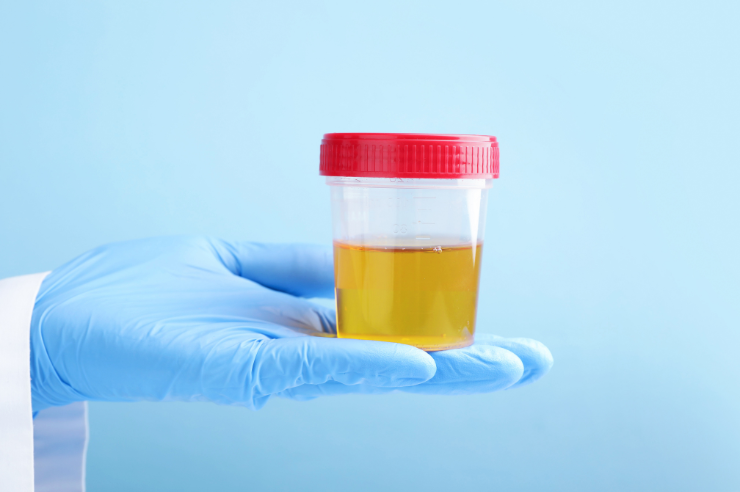
A sterile urine sample container is completely clean and free from germs. It is sealed and opened only when you are ready to use it.
When is it used?
- Routine urine tests
- Infection checks
- Lab testing
Why is it important?
Because even a small amount of outside bacteria can change the results.
So if your doctor gives you a sealed container, make sure you don’t touch the inside.
2. Non-Sterile Urine Containers
Now you might wonder, do we always need sterile ones?
Not always.
Non-sterile containers for urine collection are used when full sterility is not required.
When are they used?
- General sample collection
- Home monitoring
- Basic tests
They are still clean but not fully sterile like the sealed ones used in labs.
3. 24-Hour Urine Collection Containers
This type is a bit different.
Instead of collecting one sample, you collect urine over a full day.
How does it work?
You store all your urine in a large container for urine for 24 hours.
Why is this done?
It helps doctors:
- Check kidney function
- Measure certain chemicals
- Understand long-term patterns
These containers are bigger and often come with clear instructions.
4. Urine Containers with Screw Caps
You’ve probably seen these.
They are simple urine sample bottles with a tight screw lid.
Why are they useful?
- They prevent leaks
- They keep the sample safe
- They are easy to carry
This type is very common in clinics and hospitals.
When you close the lid properly, you don’t have to worry about spills.
5. Urine Containers with Labels
Some containers come with a space to write details.
You might see areas for:
- Your name
- Date
- Time of collection
Why does this matter?
Because in labs, many samples are handled at once. A labeled container urine sample helps avoid mix-ups.
It keeps everything clear and organized.
6. Pediatric Urine Collection Containers
Collecting urine from babies or small children is not easy.
That’s why special containers are used.
What makes them different?
- Soft collection bags
- Easy attachment
- Designed for comfort
These are safe and help parents collect samples without stress.
7. Vacuum Urine Collection Systems
This type is more advanced.
It uses a vacuum system to transfer urine from the container to test tubes.
Why is it used?
- Reduces handling
- Lowers contamination risk
- Improves accuracy
You will mostly see this in hospitals and labs.
8. Graduated Urine Containers
These containers have measurement markings on the side.
What are they used for?
- Measuring urine output
- Monitoring fluid levels
Doctors can easily check how much urine has been collected.
This is helpful in:
- Hospital care
- Post-surgery monitoring
9. Disposable Urine Containers
Most urine containers today are disposable.
Why?
Because it is safer.
After one use, you simply throw them away. This reduces the risk of infection and keeps things hygienic.
If you are planning to buy urine sample container, disposable options are always a good choice for safety and ease.
What Should You Look for in a Good Urine Container?
Now you might be thinking, how do I choose the right one?
Here are a few simple things to check:
- Is it clean or sterile?
- Does it have a tight lid?
- Is it easy to use?
- Is it leak-proof?
You don’t need anything fancy. Just make sure it is safe and reliable.
Common Mistakes to Avoid
Even with the right container, small mistakes can happen.
Here are a few things you should avoid:
- Touching the inside of the container
- Not closing the lid properly
- Delaying the sample too long before testing
- Using the wrong type of container
These small things can affect your test results.
So, Which Urine Container Is Right for You?
The answer depends on your test.
If it’s a simple test, a sterile urine sample container with a screw cap is usually enough.
If your doctor asks for a 24-hour test, you will need a larger container.
For children, special collection bags work best.
So always follow your doctor’s advice. It makes everything easier and more accurate.
Final Thoughts
At the end of the day, a urine container may look simple, but it plays a big role in your health check. The right container keeps your sample safe, clean, and ready for testing.
If you want reliable and easy-to-use options, Livingstone International is a trusted name you can count on. We offer quality urine collection containers that meet medical standards and make the whole process simple for you.
Choosing the right container means better results and less worry. And that’s something you deserve every time you take a test.
Faqs:
1. Do I always need a sterile urine container for testing?
Not always. For most lab tests, yes, a sterile urine container is needed to avoid contamination. But for simple checks at home, a clean non-sterile container can sometimes work. It’s best to follow what your doctor tells you.
2. Can I reuse a urine sample container?
It’s not a good idea. Most urine sample containers are made for one-time use. Reusing them can affect the sample and may lead to wrong test results.
3. How much urine do I need to collect for a test?
Usually, you don’t need a lot. Around half the container is enough in most cases. Still, you should check the instructions given by your doctor or lab.
4. What happens if I touch the inside of the container?
It can contaminate the sample. This means bacteria from your hands can mix with the urine and affect the results. So try to keep the inside clean and untouched.
5. Where can I buy a good urine sample container?
You can buy it from medical stores or trusted suppliers. It’s always better to choose a reliable brand like Livingstone International so you know the container is safe and good quality.