With growing demand from hospitals and research centres, the need for reliable and accurate laboratory science equipment is increasing every year. According to research, this demand is clearly visible, as the government has invested £103 million to upgrade laboratory equipment and facilities, helping researchers access modern tools and improve scientific outcomes.
This shows how important high-quality science laboratory equipment and laboratory science supplies are for accurate testing and research. To support this need, trusted providers like Livingstone International offer a wide range of medical laboratory science products and laboratory science products online for daily lab use.
Now, let’s explore the essential science laboratory instruments and tools you need to build a reliable and efficient medical laboratory setup.
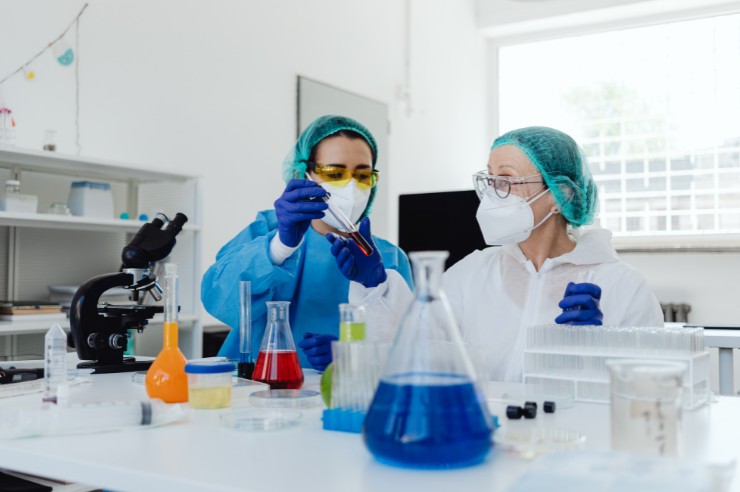
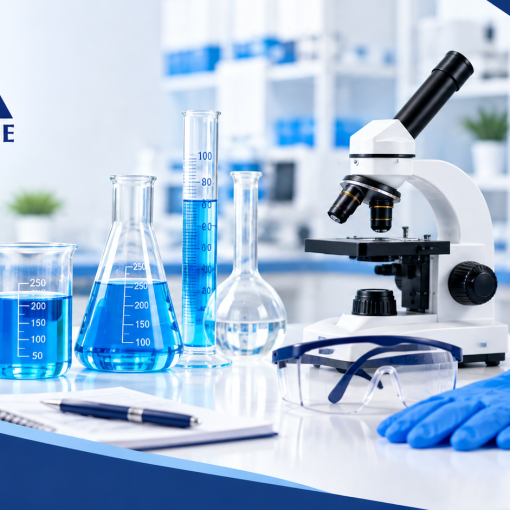
Here are essential tools and instruments required for a medical laboratory:
When you set up a lab, you need simple and reliable tools. Let’s understand each one in an easy way so you know how it helps you in your daily work.
1. Microscopes
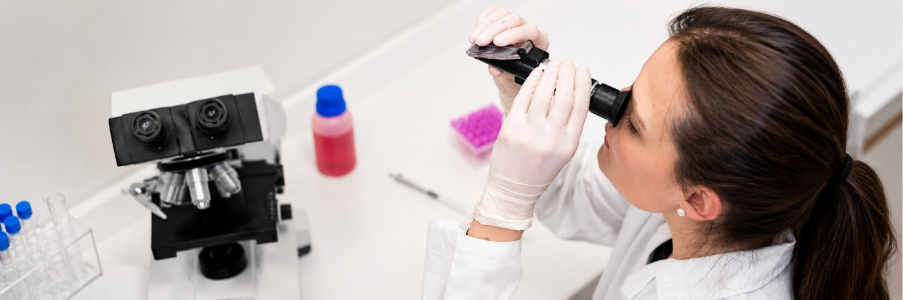
A microscope helps you see very small things like cells and bacteria that your eyes cannot see. You use it to check samples closely and understand what is happening inside. It is one of the most important tools in any lab.
2. Test Tubes and Racks
Test tubes are used to hold small liquid samples. You use them for mixing and testing. Racks help you keep test tubes in one place so they don’t fall or spill. This keeps your work clean and organised.
3. Pipettes and Droppers
Pipettes help you take small amounts of liquid with better control. You use them when you need exact measurement. This helps you avoid mistakes and keeps your results more accurate during testing.
4. Beakers and Flasks
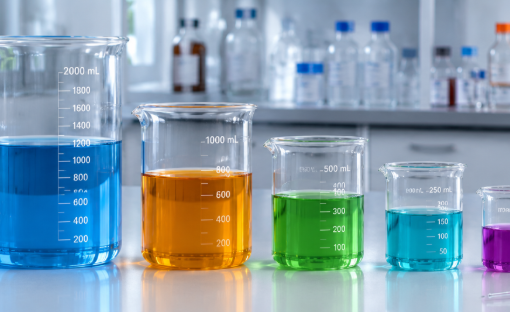
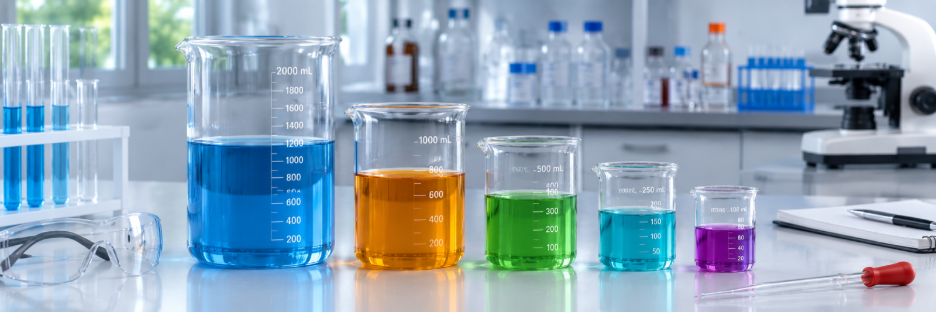
Beakers and flasks are simple containers used for holding and mixing liquids. You may also use them for heating. They are basic tools that you will use again and again for many different lab tasks.
5. Centrifuge
A centrifuge is a machine that spins samples very fast. It helps you separate parts of a liquid, like blood. This makes it easier for you to study each part properly and get clear results.
6. Slides and Cover Slips
You place your sample on a slide to check it under a microscope. A cover slip is placed on top to keep the sample safe and flat. These small items are very important for clear viewing.
7. Gloves and Protective Gear
Safety is very important in a lab. Gloves and other protective items help protect you from harmful substances. You should always wear them while working to keep yourself safe and avoid direct contact.
8. Storage Containers
Storage containers help you keep your samples safe for later use. They prevent contamination and keep the sample in good condition. This is important when you need to test or recheck samples again.
9. Cleaning Supplies
Keeping your lab clean helps you avoid mistakes and infections. You should use cleaning products to clean surfaces and tools regularly. A clean lab gives you better and safer results.
10. Measuring Instruments
Tools like thermometers and timers help you track temperature and time during tests. These small details matter a lot in lab work, and proper measurement helps you get more reliable results.
Conclusion:
Setting up a medical lab is not just about having many tools – it’s about having the right ones that support your daily work. When you choose simple, reliable laboratory science supplies, your testing becomes smoother and more organised.
If you are looking for trusted options, Livingstone International offers a wide range of quality medical laboratory science products and science laboratory equipment.
When your tools are reliable, your work becomes easier and more confident every day. So, visit our website and shop our high-quality products today!
Faqs:
1. What is the difference between Class A and Class B glassware?
Class A is individually calibrated for precise measurements. You need it for research and clinical work. Class B is for teaching labs where exact accuracy is less critical. Both have their place depending on what you are doing.
2. How do I choose the right microscope?
For high school, a sturdy binocular scope with 400x magnification works. For university research, get plan achromatic lenses and 1000x magnification. Metal gears last longer than plastic. Cheap science laboratory instrument options frustrate users and break quickly.
3. What safety equipment do inspectors check first?
They check chemical splash goggles, lab coats, eyewash stations, and spill kits. Your spill kit must match the chemicals you actually store. Safety equipment compliance is non-negotiable during inspections.
4. How can I tell if glassware is durable?
Look for borosilicate glass with beaded rims. Soda-lime glass cracks under temperature changes. Quality laboratory glassware costs more upfront but saves you from constant replacements.
5. When do I use volumetric versus graduated glassware?
Use volumetric flasks and pipettes when you need one exact measurement. Use graduated cylinders and beakers for approximate volumes. Having both types of measuring tools in your lab gives you flexibility.
6. How often should I replace volumetric glassware?
Replace immediately if you see chips, cracks, or worn markings. Even without visible damage, replace heavily used pieces every 3 to 5 years. Regular replacement keeps your laboratory science supplies reliable.
7. What centrifuge features matter for a teaching lab?
Look for imbalance detection, safety lid locks, and rotors that fit multiple tube sizes. Students will load tubes unevenly. A centrifuge with good science laboratory equipment safety features prevents accidents.
8. Can I heat all glassware?
No. Use borosilicate glass for heating. Graduated cylinders and volumetric flasks are not designed for direct heat. Keep a separate set of laboratory glassware for heating experiments.
9. What safety item is most commonly missing?
Spill kits specific to your chemical inventory. Many labs have basic PPE but no spill kit, or one that expired. Match your safety products to the actual hazards in your lab.
10. How should I store glassware to prevent breakage?
Store beakers upside down on racks. Keep pipettes in vertical stands. Use drawers with dividers for small items. Proper storage protects your laboratory science products and reduces replacement costs.