Have you ever thought about how much your safety depends on the gear you wear every day? Whether you work in healthcare, construction, or any hands-on job, the right protective wear can make a big difference between staying safe and facing serious risk.
According to Safe Work Australia, thousands of workplace injuries happen every year due to poor safety practices or lack of proper equipment. This shows why choosing the right personal protective wear is not just important – it is essential.
If you are looking for reliable options, brands like Livingstone International offer a wide range of safety products designed for real workplace needs.
Now, let’s help you understand what features really matter when you choose protective gear.
1. High-Quality Material
When you choose protective clothing, the material should always be your first check. Strong and durable materials protect you better from cuts, chemicals, heat, or infections.
You should look for:
- Tear-resistant fabrics
- Chemical-resistant coatings (if needed)
- Breathable materials for comfort
If the material is weak, it will not protect you for long. You deserve gear that can handle real working conditions.
2. Proper Fit and Comfort
Have you ever worn something that feels too tight or too loose? It can make your work difficult and even unsafe.
Your protective wear should:
- Fit well without restricting movement
- Feel comfortable for long hours
- Allow easy breathing and flexibility
When you feel comfortable, you can focus better on your work. Poor fit can lead to accidents, so always try to choose the right size.
3. Safety Standards and Certifications
Not all safety gear is made equal. You should always check if your personal protective wear meets recognised standards.
In Australia, you can look for:
- Compliance with Australian safety standards
- Certification labels on products
- Tested and approved materials
This ensures the gear has been checked for safety and performance. You are not just buying clothing – you are investing in your protection.
4. Protection Level Based on Your Job
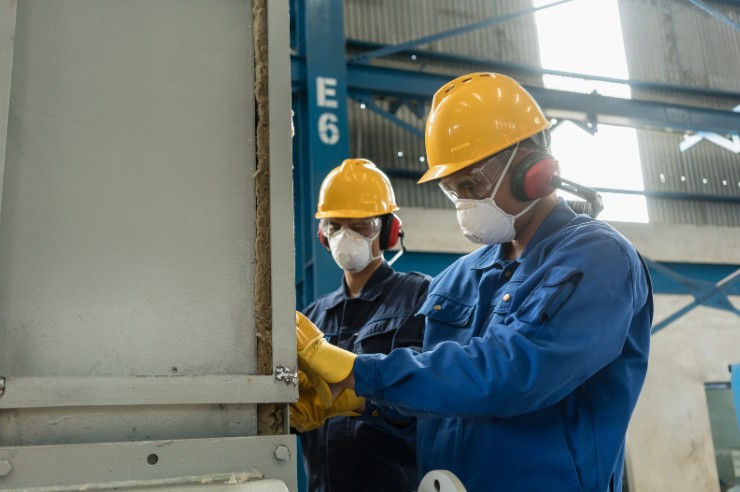
Different jobs need different levels of protection. You should always match your gear with your work environment.
For example:
- Healthcare workers need infection-resistant clothing
- Construction workers need impact and dust protection
- Lab workers need chemical-resistant gear
Choosing the wrong type of protective clothing can put you at risk. So, always think about what hazards you face daily.
5. Reliable Protective Eye Wear
Your eyes are one of the most sensitive parts of your body. That is why protective eye wear is very important.
You should look for:
- Clear and anti-fog lenses
- Scratch-resistant surface
- Comfortable fit around your eyes
Good protective glasses will protect you from dust, chemicals, and flying particles. If your vision is clear and safe, you can work confidently.
6. Durability and Long-Term Use
You do not want to replace your gear again and again. Strong and long-lasting protective wear saves both time and money.
Check for:
- Strong stitching
- High-quality finishing
- Resistance to wear and tear
When your gear lasts longer, you also reduce waste and maintain consistent safety at work.
7. Ease of Use and Maintenance
If your gear is difficult to use or clean, you may avoid wearing it properly. That is why simple design matters.
Good personal protective wear should:
- Be easy to put on and remove
- Be simple to clean or dispose of
- Require low maintenance
This helps you follow safety rules without extra effort.
8. Breathability and Temperature Control
Working long hours in heavy gear can feel uncomfortable, especially in warm conditions.
You should choose protective clothing that:
- Allows airflow
- Reduces sweating
- Keeps you cool during work
When you feel fresh and comfortable, your productivity also improves.
9. Visibility and Design Features
In some jobs, visibility is very important. If you work in low-light or busy areas, your gear should help others see you clearly.
Look for:
- Bright colours or reflective strips
- Clear design for easy movement
- Functional pockets or features
This adds another layer of safety to your daily work.
10. Cost vs Value
You may think cheaper options save money, but that is not always true.
Good protective wear:
- Lasts longer
- Offers better safety
- Reduces risk of accidents
So, you should focus on value, not just price. Investing in quality gear is always a smart decision.
Conclusion
Choosing the right protective wear is not something you should rush. It is about your safety, your comfort, and your peace of mind at work. When you understand the key features – like material, fit, durability, and safety standards – you can make better decisions for yourself.
If you want trusted and high-quality options, brands like Livingstone International continue to support workplaces with reliable safety solutions. The right gear helps you stay protected, confident, and ready for any task.
Faqs:
1. What are the key differences between various types of protective clothing?
The choice of protective clothing depends on your specific work environment and the level of risk involved. For example, disposable coveralls offer excellent protection against dust and light splashes, while heavy-duty aprons are better suited for chemical handling or food processing areas that require frequent cleaning and high durability.
2. When should I use anti-fog protective eyewear?
Anti-fog protective eye wear is ideal for tasks involving high humidity, temperature fluctuations, or intense physical exertion. These specialised coatings prevent condensation from building up on the lenses, ensuring that your vision remains clear and your eyes stay shielded from flying debris or chemical splashes throughout your shift.
3. How do I ensure my protective glasses meet Australian standards?
You should always check that your protective glasses are rated according to AS/NZS 1337.1 for impact resistance. This certification confirms that the eyewear has been tested to withstand high-velocity particles, providing the necessary level of safety for grinding, cutting, or laboratory work where eye injuries are a significant risk.
4. What is the role of personal protective wear in infection control?
In clinical settings, personal protective wear acts as a critical barrier against the transmission of pathogens and biological hazards. Using items such as TGA-approved surgical masks, fluid-resistant gowns, and high-quality gloves helps prevent cross-contamination and protects healthcare workers from exposure to bodily fluids and infectious agents.
5. Are there specific storage requirements for personal protective wear?
To maintain its effectiveness, personal protective wear should be stored in a clean, dry, and cool environment away from direct sunlight or harsh chemicals. Proper storage prevents the degradation of materials like elastic or specialised coatings, ensuring that the gear is in peak condition when your staff need to use it.