If you are in a lab. Your bench needs cleaning. A container needs rinsing. Or a small spill needs quick control. In moments like these, you don’t want to waste time looking for tools. You want something simple, quick, and safe. That’s where a wash bottle becomes your best helper.
In laboratories across Australia, professionals trust quality lab tools every day. Livingstone International supports this need by offering reliable lab products that make daily work smoother and safer. One such essential item is the wash bottle with a curved straw. But when exactly should you use it? And why is it so important in lab work? Let’s walk through it together clearly and easily.
What Is a Wash Bottle?
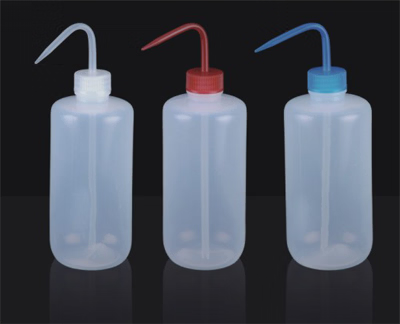
A wash bottle is a squeezable plastic bottle used to direct liquids in a controlled way. Most wash bottles are filled with water, alcohol, or other lab-safe liquids.
The wash bottle with curved straw makes it easier to reach small spaces. You can guide the liquid exactly where you want it to go. This control matters more than you may think.
So, when should you use one? Let’s look at the most common situations.
When You Need to Rinse Lab Equipment
One of the main times to use a wash bottle is when you need to rinse glassware.
After experiments, containers may have:
- Chemical residue
- Dust or particles
- Leftover solutions
Using a wash bottle helps you rinse these items gently. You control the flow. You avoid splashing. And you protect the equipment.
Ask yourself this: would you rather pour water freely or guide it with control? The wash bottle gives you that control.
When Cleaning Your Work Area
Lab benches can get messy fast. Small spills happen. Powder or liquid may land where it shouldn’t.
A wash bottle helps you:
- Clean small spills
- Wash down bench surfaces
- Remove residue safely
Instead of soaking the area, you can clean it step by step. This keeps your workspace neat and safe.
When You Need Precision
Some lab tasks need accuracy. You may want to add a small amount of liquid to a test setup.
This is where the wash bottle with curved straw really shines. The curved straw lets you aim the liquid into narrow containers or tight spots.
You stay focused. You stay clean. And you reduce mistakes.
When Handling Safe Lab Liquids
Wash bottles are commonly used with:
- Distilled water
- Deionised water
- Mild lab solutions
They are not meant for strong or dangerous chemicals unless clearly marked and approved. Always label your bottle. This avoids confusion and accidents.
Good lab habits start with simple steps.
During Daily Lab Tasks
Not every lab job is complex. Many tasks are routine. But routine does not mean unimportant.
You should use a wash bottle:
- During setup
- During clean-up
- Between experiments
It helps maintain order. And a clean lab is a safer lab.
When Teaching or Training in a Lab
If you work in a teaching lab, wash bottles are used often.
Students learn:
- How to rinse tools
- How to clean safely
- How to manage liquids
Using wash bottles helps build good habits early. It also lowers the risk of spills and waste.
When You Want to Reduce Waste
Pouring liquid directly from a large container often leads to waste. Too much liquid. Too much mess.
A wash bottle lets you use only what you need. This is helpful for:
- Cost control
- Cleaner labs
- Better practice
Small savings add up over time.
Why the Curved Straw Matters
Not all wash bottles are the same.
A wash bottle with curved straw offers better reach and comfort. You don’t need to tilt the bottle awkwardly. You don’t strain your hand.
The curved straw helps you:
- Reach deep containers
- Direct liquid smoothly
- Work comfortably for longer
This small design feature makes a big difference in daily lab work.
Wash Bottle Safety Tips
Using a wash bottle is simple, but safety still matters.
Keep these tips in mind:
- Always label the bottle clearly
- Use one bottle per liquid
- Clean the bottle regularly
- Do not mix liquids
These steps protect you and your team.
Wash Bottles as Disposable Labware
In some labs, hygiene is critical. This is where wash bottle disposable labware is useful.
Disposable wash bottles help reduce:
- Cross-contamination
- Cleaning time
- Risk of residue buildup
They are often used in medical, food, or testing labs where cleanliness is a top priority.
Comparing Wash Bottles: What to Look For
When choosing a wash bottle, consider:
- Bottle size
- Material quality
- Straw design
- Ease of squeeze
Products like the Aptaca Wash Bottle and other trusted labware options focus on these features. Quality makes daily work easier and safer.
When You Should Not Use a Wash Bottle
It’s also important to know when not to use one.
Avoid using a wash bottle:
- With unknown chemicals
- With strong corrosive liquids (unless approved)
- Without proper labels
Safety always comes first.
Why Every Lab Needs a Wash Bottle
Think about your daily lab routine. Cleaning. Rinsing. Adjusting. A wash bottle supports all of this.
It saves time. It reduces mess. And it improves safety.
Sometimes, the simplest tools are the most valuable.
Final Thoughts
So, when should you use a wash bottle in a laboratory? The answer is simple. Use it when you need control, cleanliness, and safety.
From rinsing equipment to cleaning benches, a wash bottle plays a quiet but important role. And when you choose trusted products from Livingstone International, you choose better lab practice every day.