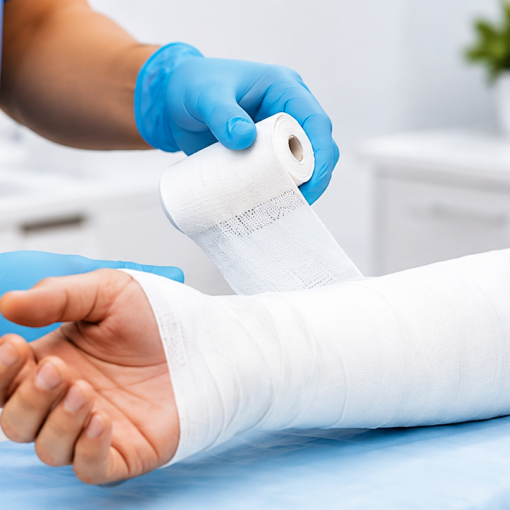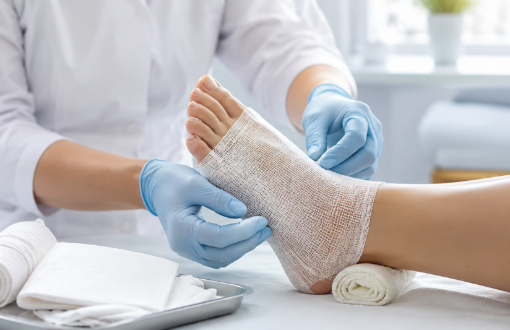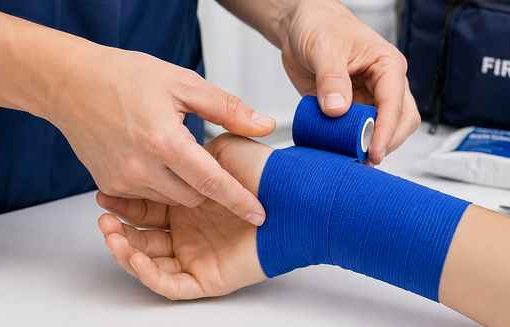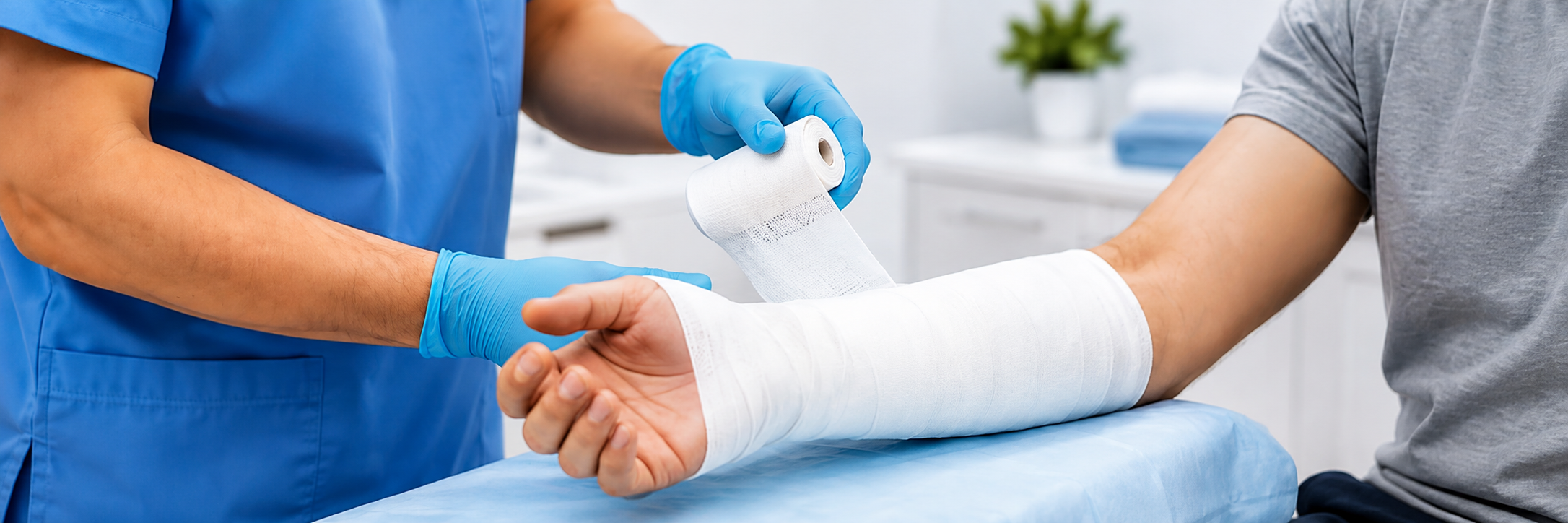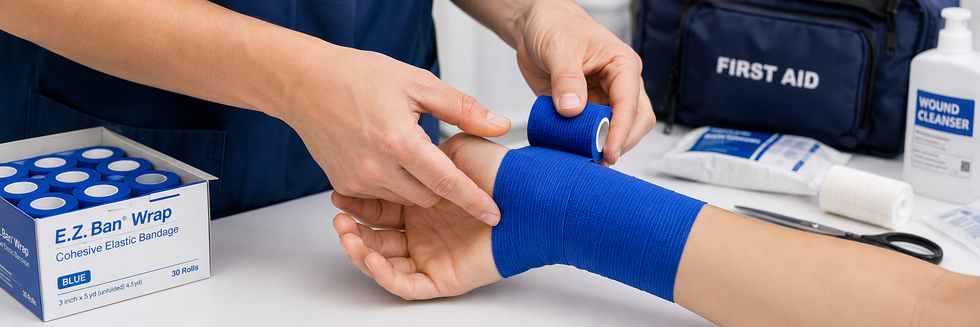
Wounds, cuts, and minor injuries can happen anytime, whether at home, work, or outdoors. Taking care of them properly is important to help your skin heal and to prevent infections. One of the most useful tools in first aid is a Conforming Bandage. It holds dressings in place, supports injured areas, and protects wounds from dirt or friction.
For high-quality bandages, you can trust Livingstone International. Our Conforming Cotton Bandage with Clips is strong, safe, and easy to use.
Let’s explore more through the proper conforming bandage use, step-by-step tips for wrapping safely, and ways to make it comfortable.
What Is a Conforming Bandage?
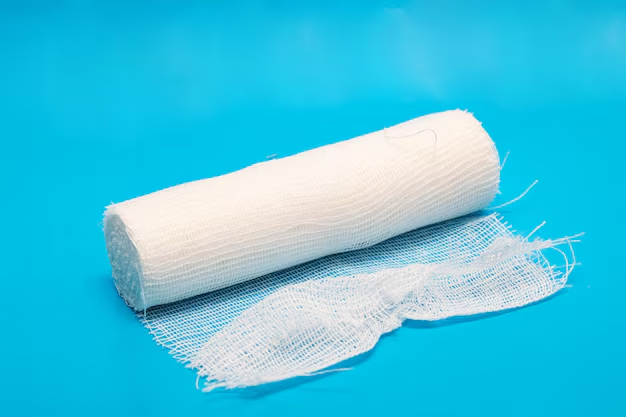
A Conforming Bandage is a soft, stretchable bandage made from cotton or a cotton blend. It stretches slightly, which allows it to fit the shape of the body easily. Unlike elastic bandages, conforming bandages are gentle but firm enough to hold dressings securely.
They are commonly used for:
- Supporting minor sprains or injuries
- Holding wound dressings in place
- Protecting wounds from dust, dirt, or friction
These bandages are simple but very effective when used correctly.
Why Proper Conforming Bandage Use Matters
You might think wrapping a bandage is simple. But if it is not applied correctly, it can cause discomfort, reduce blood flow, or fail to protect the wound. Proper use ensures:
- Wounds stay clean and covered
- Injuries get gentle support
- The bandage does not slip or irritate your skin
Using Conforming Bandage Clips can make securing the bandage easier and safer.
Step-by-Step Guide to Safe and Comfortable Wrapping
Follow these steps to apply a conforming bandage properly.
1. Wash Your Hands
Before touching the wound or the bandage, wash your hands well. This reduces the risk of germs reaching the injury. Clean hands make the bandage more effective and keep your wound safe.
2. Prepare the Wound
Make sure the wound is clean and dry. Apply any antiseptic or ointment needed. Place a dressing pad over the wound before wrapping. A Conforming Cotton Bandage is ideal to hold the dressing in place without slipping.
3. Start Wrapping
Start wrapping slightly below the wound if you are working on a limb. Hold the roll in one hand and wrap evenly with the other. Overlap each layer by about half the bandage width. This helps the bandage stay in place.
4. Keep It Comfortable
The bandage should be snug but not tight. Too tight can reduce blood flow, and too loose can make it slip. Check for discomfort like tingling, numbness, or changes in skin color. If this happens, rewrap the bandage.
5. Secure the Bandage
Once wrapped, secure the end using Conforming Bandage Clips or medical tape. Clips are easy to use and reusable, while tape works for single use. Make sure the end is flat and does not roll up.
6. Check Movement
After applying, gently move the wrapped area. You should be able to move slightly, but the bandage should still hold the dressing firmly. If it slips or feels uncomfortable, adjust it.
7. Monitor Regularly
Check the bandage at least once a day. If it becomes wet, dirty, or loose, replace it immediately. Keeping the wound clean and dry is important for faster healing.
Tips for Comfortable Conforming Bandage Use
Using a conforming bandage is easy if you follow a few simple tips:
- Always have Conforming Bandage Clips handy
- Don’t wrap too tight – comfort is key
- Replace the bandage if it gets wet or dirty
- For sensitive skin, choose Conforming Cotton Bandage
- Store bandages in a clean, dry place
Common Mistakes to Avoid
Even simple bandages can cause problems if used incorrectly. Avoid these mistakes:
- Wrapping too tightly and cutting off circulation
- Leaving gaps that expose the dressing
- Reusing a dirty or wet bandage
- Ignoring swelling or discomfort
Proper wrapping prevents these problems and supports better healing.
Conclusion
Proper conforming bandage use is simple once you know the steps. From washing your hands to securing the bandage with clips, every step helps protect the wound and keep it comfortable. Using a Conforming Cotton Bandage ensures the dressing stays in place while allowing your skin to breathe.
For reliable, safe, and easy-to-use conforming bandages, Livingstone International offers products you can trust. Our bandages are perfect for home first aid kits, clinics, or professional use.
With the right technique and products, you can make minor injuries safer, faster to heal, and much more comfortable.