Have you ever wondered how doctors and nurses get such accurate results every time you visit a clinic or hospital? The answer lies in Diagnostic Instruments. These tools are essential for checking your health, diagnosing conditions, and ensuring the right treatment. You might ask, “Which instruments should we use and how?” Let’s explore this in simple terms.
Diagnostic instruments are devices used to examine, monitor, or test patients. They range from simple tools like thermometers and stethoscopes to advanced surgical and monitoring equipment. Using the right instrument the right way ensures accurate results and keeps you and your patients safe.
Types of Diagnostic Instruments
You might be surprised how many types of instruments are used daily in healthcare:
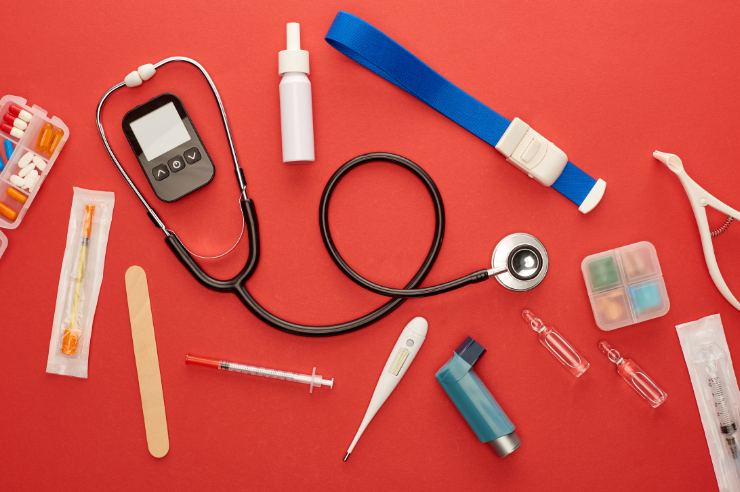
- Basic Diagnostic Instruments – Tools like blood pressure monitors, stethoscopes, and thermometers. These help check vital signs and give initial health readings.
- Diagnostic Accessories – Items like syringes, swabs, and tubing that support proper use of the main instruments.
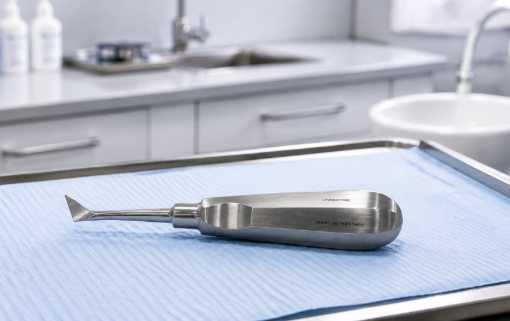
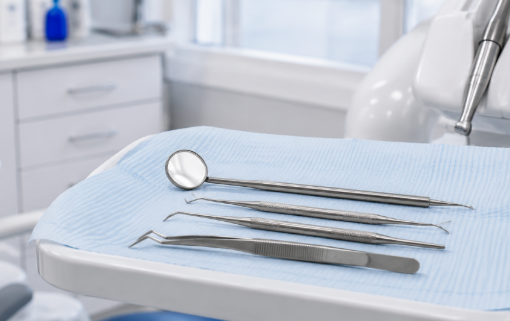
- Surgical Instruments – Tools such as forceps, scissors, and clamps that assist during procedures and minor surgeries.
Knowing the right type of instrument helps you or your healthcare team provide accurate and safe care.
Why Using Diagnostic Instruments Correctly Matters

You may ask, “Does it really matter how I use these instruments?” Absolutely! Here’s why:
- Accuracy – Correct use ensures reliable readings for better diagnosis.
- Safety – Prevents contamination or injuries to patients and staff.
- Longevity – Proper handling keeps instruments in good condition longer.
- Efficiency – Makes work faster and reduces errors during examinations.
Even simple mistakes, like not calibrating a device, can lead to wrong results. That’s why training and proper use are essential.
Best Practices for Using Diagnostic Instruments
Here are some simple steps you can follow:
- Always Clean Before and After Use – Wipe instruments with approved disinfectants to prevent infections.
- Check for Damage – Before using, inspect for cracks, rust, or loose parts.
- Follow Instructions – Each instrument comes with guidelines; follow them for best results.
- Store Properly – Keep instruments in a clean, dry place to avoid damage.
- Use the Right Accessory – Always pair the instrument with proper diagnostic accessories for accurate results.
- Regular Calibration – Some instruments need regular checks to maintain precision.
You might wonder, “Can small clinics follow these too?” Yes, whether you are at home care, a small clinic, or a hospital, these practices make a huge difference.
Choosing the Right Instruments
Selecting instruments from trusted brands ensures reliability. Livingstone International provides a wide range of diagnostic instruments, diagnostic accessories, and surgical instruments. Their products are designed to meet healthcare standards, ensuring safety, precision, and comfort for both patients and medical staff.
By choosing quality instruments, you minimise errors and improve patient trust. After all, accurate readings lead to better care decisions.
Conclusion
Using diagnostic instruments correctly is key to providing safe and effective healthcare. Following best practices, cleaning, inspecting, and using proper accessories ensures accurate results every time. With Livingstone International, you can access top-quality instruments and diagnostic tools designed for modern healthcare needs.
Explore our products, diagnostic instruments today, and enhance your healthcare services!