Walk into any clinic or hospital, and you’ll notice something straight away. It’s not just the doctors, nurses or medical equipment that keep things running smoothly. Behind every patient appointment and every treatment is a long list of everyday items that people often take for granted.
That’s why choosing the right medical consumables is so important. These products are used every day, often only once, but they play a big part in patient care, hygiene and workplace safety.
At Livingstone International, healthcare professionals across Australia can find a wide range of quality medical consumable products for hospitals, medical centres, aged care facilities, dental clinics, pathology labs and many other healthcare settings. Having reliable products from a trusted supplier means your team can focus on caring for patients instead of worrying about stock shortages.
Let’s look at the essential medical consumables supplies every healthcare facility should have and why each one matters.
A Checklist of Essentials for Clinics and Hospitals
1. Gloves Are One of the First Things Staff Reach For
If you’ve ever visited a GP or hospital, you’ve probably seen healthcare workers put on a fresh pair of gloves before examining a patient.
There’s a good reason for that.
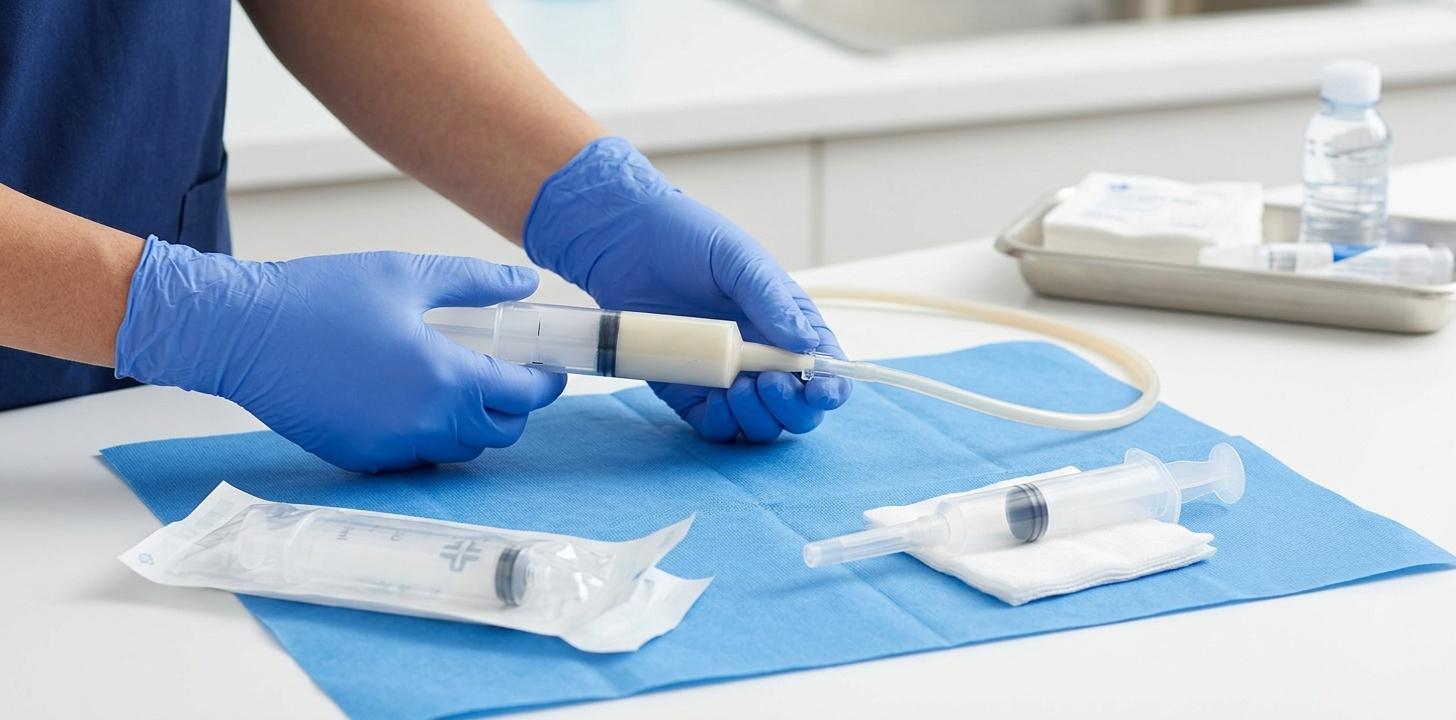
Disposable gloves help reduce the spread of germs and protect both patients and healthcare professionals during everyday procedures.
They’re used for everything from taking blood samples to cleaning treatment rooms.
It may seem like a small habit, but changing gloves between patients is one of the simplest ways to support good infection control.
According to the Australian Commission on Safety and Quality in Health Care, proper hand hygiene and infection prevention practices remain essential in healthcare settings.
2. Dressings and Wound Care Products Are Always in Demand
Not every patient walks into a clinic with a serious injury.
Some need a small cut cleaned and covered. Others may require ongoing wound care after surgery or treatment.
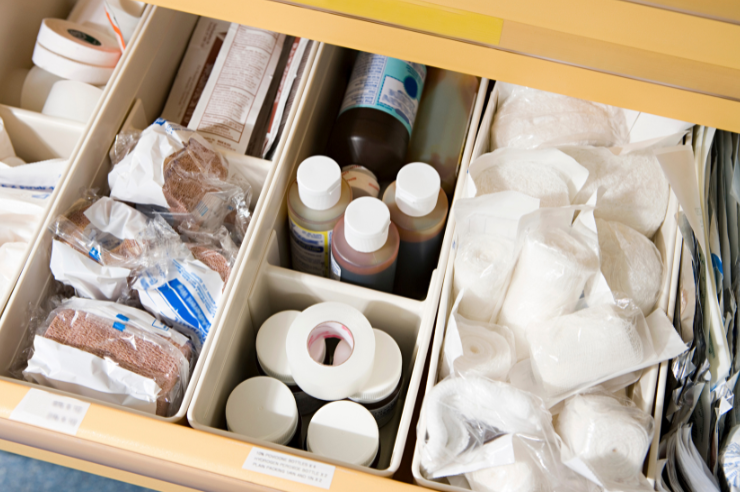
That’s why clinics always keep a variety of dressings, gauze, adhesive tapes and wound care products close at hand.
Using the right products helps keep wounds clean and supports the healing process.
Running out of these everyday items can quickly affect patient care, especially during busy periods.
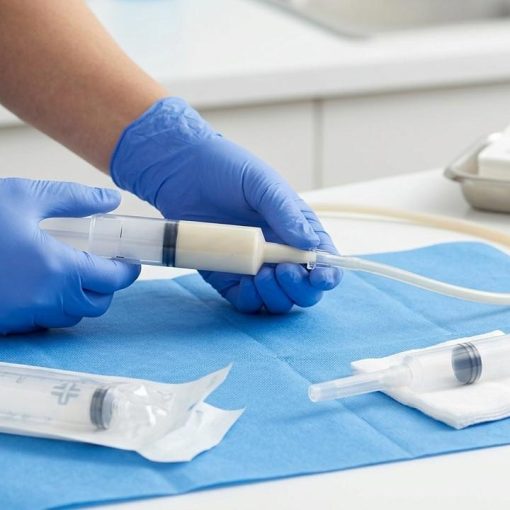
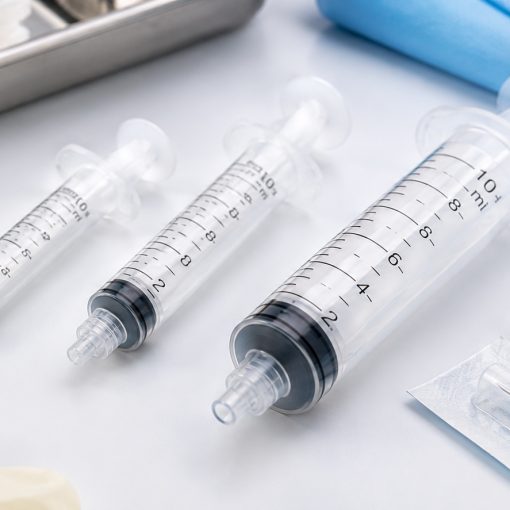
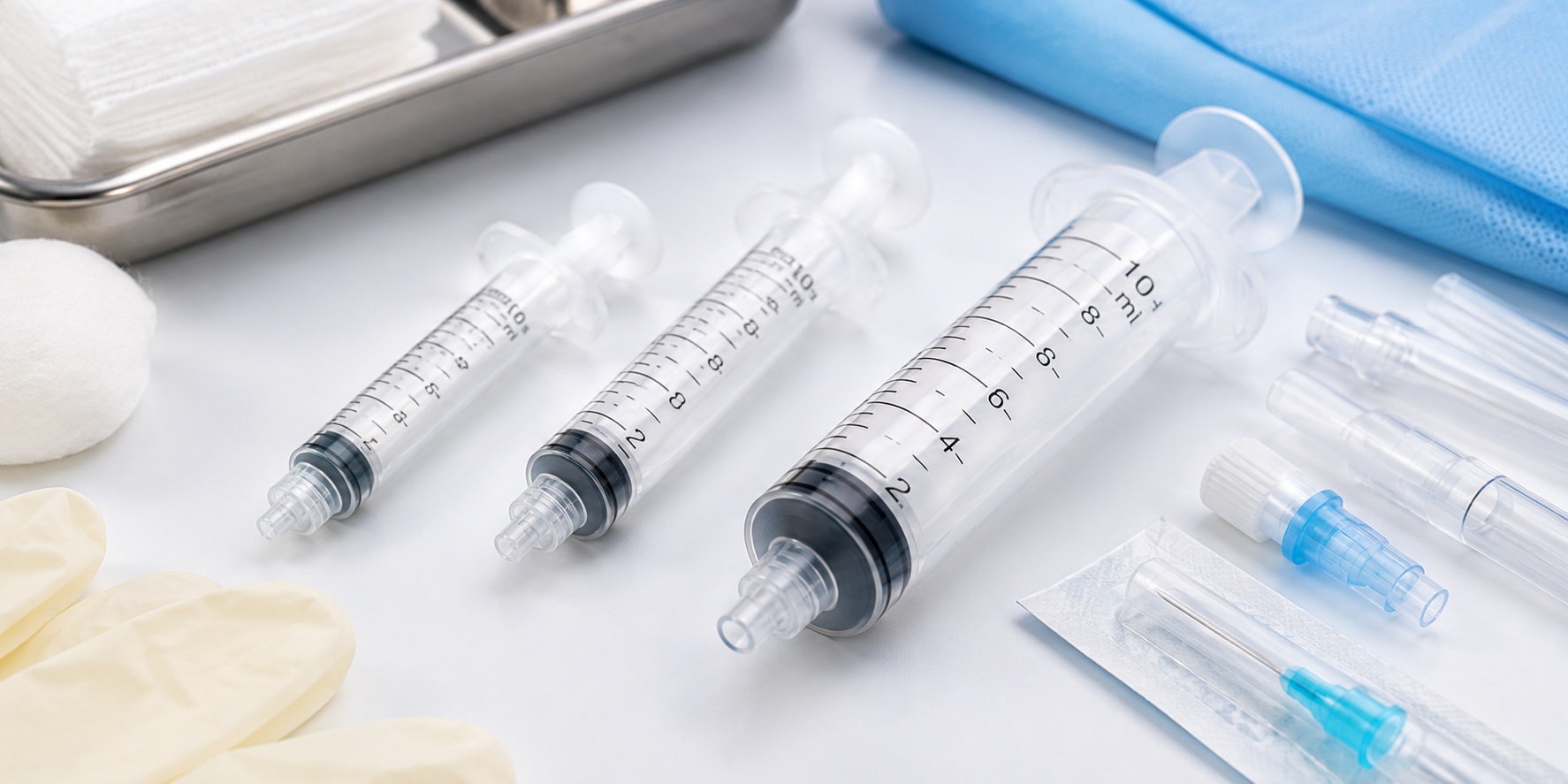
3. Syringes and Needles Need Careful Stock Management
Many people only think about syringes during vaccinations.
In reality, they’re used throughout the day for a wide range of medical procedures.
Blood collection, medication delivery, vaccinations and diagnostic testing all rely on having the right syringes and needles available.
Healthcare facilities also need different sizes to suit different patients and procedures.
That’s why regular stock checks are so important.
Nobody wants to discover they’re running low in the middle of a busy clinic.
4. Don’t Forget Everyday Cleaning Essentials
Some of the hardest-working medical consumables aren’t used directly on patients at all.
Alcohol wipes, disinfectant wipes, paper products and surface cleaning supplies help maintain a clean healthcare environment.
Think about how many people touch examination beds, door handles and medical equipment every day.
Keeping these surfaces clean helps reduce the spread of harmful germs.
It’s one of those jobs that often goes unnoticed, but it makes a real difference to patient safety.
Why Buying From a Trusted Supplier Matters
Many healthcare facilities have experienced the frustration of delayed deliveries or inconsistent product quality.
When essential items aren’t available, appointments may need to be delayed, and staff can spend valuable time searching for alternatives.
That’s why many clinics and hospitals choose established medical consumables suppliers with a broad product range and dependable stock availability.
Working with a reliable supplier makes ordering easier and helps ensure everyday medical consumables supplies are ready when they’re needed.
Livingstone International has been supporting Australian healthcare providers for many years, offering an extensive range of quality products that help healthcare teams work efficiently while maintaining high standards of patient care.
Build a Checklist That Works for Your Team
Every healthcare setting is different, but most clinics and hospitals rely on a core range of medical consumables supplies every day.
Your checklist might include:
- Disposable gloves
- Syringes and needles
- Gauze and wound dressings
- Adhesive tapes
- Alcohol swabs
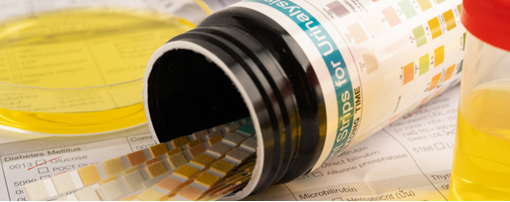
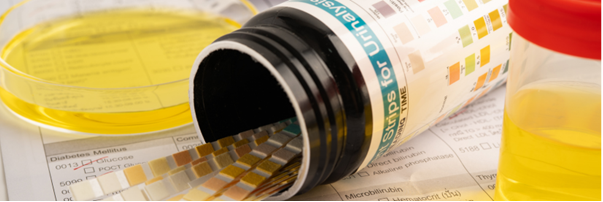
- Specimen containers
- Surgical masks
- Disposable aprons
- Surface disinfectant wipes
- Sharps containers
- Examination paper
- Cotton balls and applicators
Review your checklist regularly and adjust it as your services grow or change.
Final Thoughts
The products used every day often receive the least attention, yet they’re some of the most important items in any healthcare setting.
From gloves and syringes to dressings and specimen containers, quality medical consumables help clinics and hospitals deliver safe, efficient care every single day.
If you’re looking for trusted medical consumables supplies, Livingstone International offers an extensive range of products to support hospitals, medical centres, laboratories, dental practices and aged care facilities across Australia. With quality products and dependable service, it’s easier to keep your workplace prepared for whatever the day brings.
Frequently Asked Questions
1. How often should a clinic review its medical consumables stock?
Most healthcare facilities benefit from checking stock at least once a week. Busy departments may need daily checks for high-use items such as gloves, syringes and dressings to avoid unexpected shortages.
2. What’s the best way to reduce waste when managing medical consumables?
A simple first-expiry, first-out (FEFO) system works well. Place products with the earliest expiry dates at the front so they’re used first, helping reduce unnecessary waste.
3. Why is buying from experienced medical consumables suppliers important?
Experienced suppliers usually offer consistent product quality, dependable stock availability and a wider product range. This helps healthcare facilities avoid delays and maintain smooth day-to-day operations.
4. How can clinics make sure they’re ordering the right medical consumable products?
Review usage patterns regularly, speak with clinical staff and monitor seasonal demand. For example, vaccination periods or flu season may require additional stock of certain products.
5. Where can healthcare providers find guidance on infection prevention and safe healthcare practices?
The Australian Commission on Safety and Quality in Health Care provides practical guidance on infection prevention and control, while the Australian Government Department of Health, Disability and Ageing also offers resources to support safe healthcare practices.