When you think about laboratory equipment, large machines and advanced tools may come to mind first. Yet, some of the most important tasks in a lab depend on simple items. One great example is the 5ml beaker. Small in size but highly useful, this piece of laboratory glassware plays a role in many everyday testing and measuring tasks.
Whether you work in a laboratory, study science, teach students, or simply want accurate measurements for small quantities of liquid, a beaker can make your work easier. Companies like Livingstone International supply reliable laboratory products that help professionals and students achieve accurate results every day.
In this guide, you will learn about the design, features, and practical uses of a 5 ml glass beaker and why it remains an essential item in laboratories across Australia.
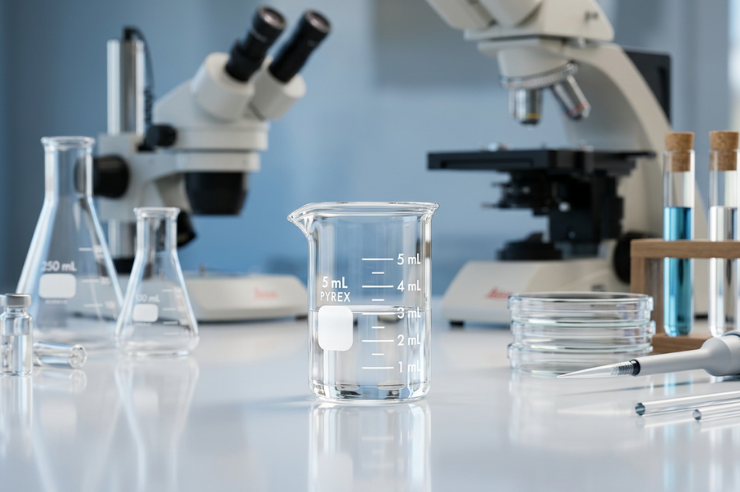
What Is a 5mL Beaker?
A 5ml beaker is a small laboratory container used to hold, mix, heat, and measure liquids. It is designed to handle very small volumes, making it useful when precision matters.
Unlike larger beakers, a 5mL model is ideal when you only need a small sample. This helps reduce waste and allows you to work more efficiently.
Most laboratory beakers include graduation marks that provide approximate volume measurements. While they are not as precise as measuring cylinders, they are convenient for many daily tasks.
Why Is Borosilicate Glass Used?
One of the standout features of a quality 5 ml glass beaker is the material it is made from. Borosilicate glass is widely used in laboratories because it offers several advantages.
1. Excellent Heat Resistance
Laboratory work often involves heating liquids. Borosilicate glass can handle temperature changes better than standard glass. This reduces the risk of cracking during use.
2. Strong and Durable
Even though glass may seem fragile, borosilicate glass is designed for demanding environments. It can withstand regular laboratory use when handled correctly.
3. Chemical Resistance
Many chemicals can damage ordinary materials. Borosilicate glass resists a wide range of substances, making it suitable for different laboratory applications.
4. Clear Visibility
Because the glass is transparent, you can easily observe liquid levels, colour changes, and reactions taking place inside the beaker.
Understanding the Low-Form Design
You may have noticed the term low form lab beaker when shopping for laboratory glassware. But what does it actually mean?
A low form beaker has a wider base and a shorter height compared to tall-form designs. This shape offers several benefits.
1. Better Stability
The wider base helps reduce the chance of tipping over. This can be especially useful when working with small liquid volumes.
2. Easier Mixing
The broad opening allows you to stir and mix liquids more comfortably.
3. Convenient Handling
A shorter design makes it easier to pour liquids and transfer samples between containers.
Because of these advantages, many laboratories prefer a low form beaker for routine work.
The Importance of a Spout
Have you ever tried pouring liquid from a container without a proper pouring edge? It often leads to spills and wasted material.
This is where a beaker with spout becomes valuable.
The spout is a small extension at the rim of the beaker that guides liquid during pouring. It helps improve accuracy and reduces mess.
A glass beaker with spout offers several practical benefits:
- Better control when pouring liquids
- Reduced risk of spills
- Easier transfer of samples
- Cleaner work areas
- Improved handling of small liquid volumes
For these reasons, many laboratory professionals choose a low form beaker with spout for daily use.
Common Uses of a 5mL Beaker
You might wonder how such a small beaker is used in real situations. The answer is simple—it is useful in more ways than many people realise.
1. Small Sample Collection
Scientists often work with limited sample quantities. A 5ml beaker provides a convenient container for collecting and handling these samples.
2. Mixing Solutions
When preparing small chemical mixtures, a beaker allows ingredients to be combined safely and efficiently.
3. Educational Laboratories
Students learning laboratory techniques frequently use small beakers. They help introduce basic measuring and mixing skills without requiring large amounts of chemicals.
4. Research Applications
Research projects often involve testing multiple samples. Small beakers allow researchers to work with individual samples while minimising waste.
5. Quality Control Testing
Many industries use laboratory testing to verify product quality. Small beakers help technicians handle and assess liquid samples accurately.
Proper Handling and Care
A quality beaker can last a long time if you look after it properly.
Here are some simple tips:
1. Clean After Every Use
Wash the beaker thoroughly to prevent residue from affecting future experiments.
2. Inspect for Damage
Check for chips or cracks before using the beaker. Damaged glassware should be replaced immediately.
3. Store Safely
Keep beakers in a secure area where they are protected from accidental impacts.
Avoid Sudden Temperature Changes
Even though borosilicate glass handles heat well, sudden changes from hot to cold can still cause stress.
Benefits of Choosing a Quality 5mL Beaker
Not all laboratory glassware is made to the same standard.
Choosing a well-manufactured 5 ml glass beaker offers several advantages:
- Reliable performance
- Better durability
- Improved chemical resistance
- Clear graduation markings
- Safer handling
- Long-term value
When accuracy and consistency matter, quality equipment makes a difference.
How to Choose the Right Beaker
Before purchasing a beaker, consider the following questions:
- Will you be working with small liquid volumes?
- Do you need heat resistance?
- Is chemical resistance important?
- Would a pouring spout make your work easier?
- Do you need a stable design for frequent use?
If you answered yes to most of these questions, a low form beaker with spout is likely a suitable option.
Conclusion
The 5ml beaker may be small, but it plays an important role in laboratories, educational settings, and research environments. Its borosilicate glass construction provides durability, heat resistance, and chemical resistance, while the low-form design and spout improve stability and ease of use.
Whether you are measuring, mixing, testing, or transferring liquids, having dependable laboratory equipment helps you work with greater confidence. Livingstone International continues to provide quality laboratory supplies that support professionals, educators, and students across Australia. When you need reliable laboratory glassware, buy your products from our website.
Frequently Asked Questions
1. What is a 5mL beaker used for?
A 5mL beaker is used for holding, mixing, heating, and transferring small amounts of liquid. It is commonly found in laboratories, classrooms, and research facilities.
2. Why is borosilicate glass used in laboratory beakers?
Borosilicate glass offers excellent resistance to heat and chemicals. It is durable and helps reduce the risk of breakage during normal laboratory work.
3. What is a low form beaker?
A low form beaker has a wider base and shorter height than a tall-form beaker. This design improves stability and makes handling easier.
4. What is the purpose of a beaker spout?
The spout helps guide liquid while pouring. It reduces spills, improves accuracy, and makes transferring liquids much easier.
5. Can a 5mL beaker be heated?
Yes. A borosilicate 5 ml glass beaker is designed to withstand laboratory heating applications when used according to safety guidelines.
6. How do you clean a laboratory beaker?
Wash the beaker with suitable cleaning solutions after use, rinse thoroughly, and allow it to dry completely before storing or using it again.