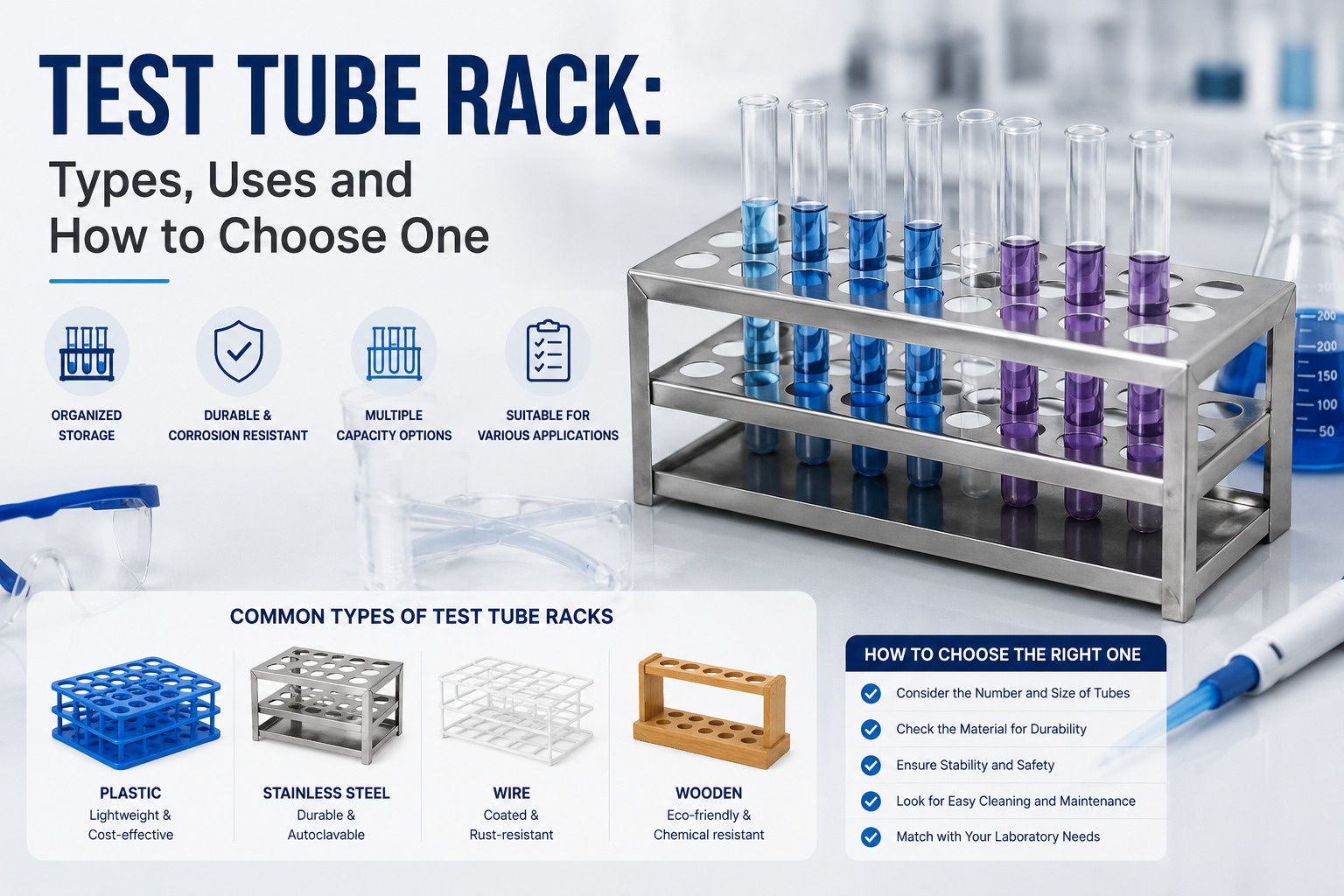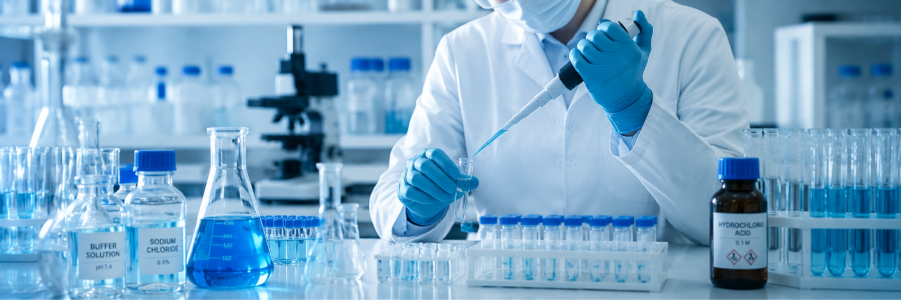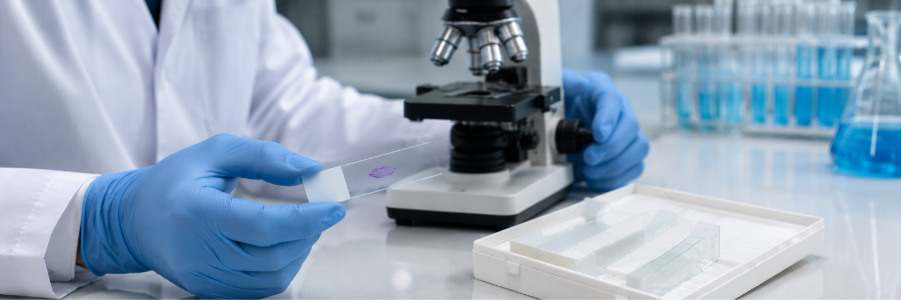
When you set up or manage a laboratory, choosing the right products is not just about convenience – it directly affects accuracy, safety, and efficiency. Whether you work in research, healthcare, or education, you rely on a combination of reliable tools and high-quality supplies to get consistent results.
Trusted laboratory equipment suppliers like Livingstone International provide a wide range of essentials that support everything from basic testing to advanced analysis.
But let’s break down exactly what you need for smooth, accurate, and safe testing.
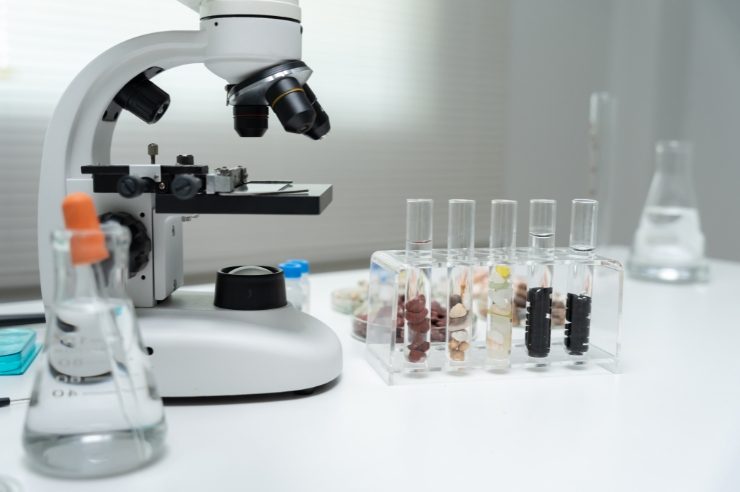
The Backbone: Basic Lab Instruments and Glassware
When you are working with laboratory instruments, compliance is just as important as performance. The Equipment Safety Rules guide you in selecting the correct standards for testing and help you understand what makes a test report valid. They also outline the key details that must be included, such as testing methods, results, and product specifications.
This becomes especially important when you are dealing with clinical laboratory equipment or high-risk devices. By following these guidelines, you ensure that your testing process remains accurate, reliable, and aligned with Australian safety requirements, while also building trust in your results and overall laboratory practices.
Clinical and Diagnostic Essentials
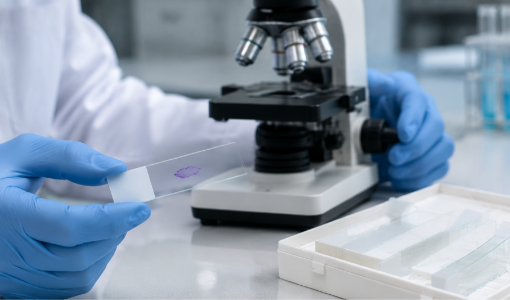
If you work in a pathology or hospital lab, you will recognise the need for clinical laboratory equipment like haematology analysers, coagulation testers, and urinalysis strips. These machines deliver results that doctors rely on for diagnosis. But they also need proper consumables: microscope slides, cover slips, staining racks, and immersion oil.
For molecular testing, you will require thermal cyclers (PCR machines), electrophoresis units, and gel documentation systems. When you buy these, always check the supplier’s calibration and certification services. Many lab equipment suppliers also offer installation and training – take advantage of that. It saves you hours of troubleshooting later.
Going Digital: Modern Lab Instruments
Today, you are likely using digital tools that improve both speed and accuracy in your lab. Instruments like digital pH metres, spectrophotometers, and electronic balances help reduce manual errors and save time.
These modern laboratory instruments offer:
- higher precision in results
- reduced human error
- faster data recording
- easy system integration
For research work, you should also consider:
- fume hoods for safety
- biosafety cabinets for protection
- refrigerated centrifuges for sensitive samples
- ultra-low freezers (-80°C) for storage
With laboratory supplies online, you can easily compare features and choose the right equipment.
Consumables You Will Use Every Day in your lab
In your lab, consumables are used daily and need regular restocking. These items keep your workflow smooth and uninterrupted.
Common consumables include:
- pipette tips and petri dishes
- culture tubes and reagent bottles
- swabs, slides, and wipes
When buying medical laboratory supplies, check if they are:
- sterile
- DNase/RNase-free
- endotoxin-free
You should also keep:
- solvent-resistant lab markers
- waterproof notebooks
- sharps containers
- biohazard bags
These essentials help you maintain safety, accuracy, and proper lab management every day. If you are looking fo rbuying thes eproduct
Where to Buy Everything You Need
You can save time by choosing trusted laboratory equipment suppliers instead of buying from multiple sources. This makes purchasing easier and more efficient.
Livingstone International is a reliable option offering a wide range of laboratory supplies, from basic tools to advanced instruments. Being Australian-based also helps with faster delivery and compliance.
When comparing laboratory suppliers, look for:
- a wide product range
- bulk pricing options
- strong after-sales support
- safety data sheets (SDS)
- quality certifications
Choosing the right supplier ensures you get reliable products and long-term support for your lab.
Final Thoughts for Your Lab
Building a functional, safe lab is not about buying the most expensive gear—it is about buying the right gear. Start with essential laboratory safety equipment like lab safety glasses and goggles.
Then add reliable laboratory instruments for your specific tests. Always buy from reputable laboratory equipment distributors such as Livingstone International, who understand the Australian healthcare and research landscape. With the proper setup, you will produce accurate results, protect your team, and keep your operations running smoothly.
Frequently Asked Questions (FAQs)
1. What is the difference between lab safety glasses and laboratory goggles?
Safety glasses in laboratory environments primarily protect against frontal impact and dust. However, laboratory goggles create a complete seal around your eyes, shielding you from liquid splashes, chemical vapours, and flying particles from all angles. For any work involving corrosive liquids or infectious aerosols, you must wear laboratory goggles (AS/NZS 1337.1 compliant) rather than standard safety glasses.
2. How do I verify that a laboratory equipment supplier meets Australian regulatory standards?
You should ask the supplier for their ISO certifications (e.g., ISO 9001 for quality management) and ensure that each product carries a compliance mark for relevant Australian Standards. Reputable laboratory equipment distributors will provide Certificates of Conformance, NATA-accredited calibration reports (if applicable), and Safety Data Sheets for chemicals. Always cross-check with the Therapeutic Goods Administration (TGA) for medical laboratory equipment used in diagnosis.
3. Can I use regular dishwashing detergent to clean clinical laboratory equipment?
No. Regular detergents leave residues that can interfere with sensitive assays and damage precision laboratory instruments. You must use laboratory-grade detergents (e.g., alconox or similar), followed by multiple rinses with deionised or distilled water. For medical laboratory supplies like pipettes and volumetric glassware, an ultrasonic cleaner with a specific enzymatic or neutral pH detergent is recommended to remove protein or chemical residues without etching the glass.
4. How often should I replace my lab safety glasses or goggles?
You should inspect them before each use. Replace safety glasses in the laboratory immediately if you see any scratches, cracks, clouding, or loose frames. For laboratory goggles used with harsh chemicals, replace the entire unit every 2–3 years even if no damage is visible, because UV exposure and chemical vapours can degrade the polycarbonate lens material, reducing impact resistance. Always follow the manufacturer’s expiry date if provided.
5. What is the single most overlooked item when buying laboratory equipment online?
The most overlooked item is proper ventilation and fume extraction for workstations. Many people buy a digital pH meter or a centrifuge but forget that their benchtop needs a ductless fume hood or snorkel if they will handle volatile reagents (e.g., xylene, formaldehyde). Check with your laboratory equipment online supplier whether your instruments require exhaust connections. Without adequate ventilation, you risk chronic respiratory exposure and invalid test results due to vapour interference.
6. Are second-hand laboratory instruments safe to use for diagnostic work?
Second-hand instruments can be safe but only if they are recertified by a qualified biomedical engineer and calibrated against known standards. You must obtain a full service history, calibration certificate, and electrical safety test (AS/NZS 3551). For clinical laboratory equipment used in patient testing, many Australian labs avoid second-hand units because warranty, software updates, and parts availability become issues. For non-critical teaching labs, recertified gear from a reputable refurbisher can be acceptable.