High blood pressure is one of Australia’s leading risk factors for heart disease, stroke and kidney disease, yet many people are unaware they have it because it often develops without obvious symptoms. As more Australians take a proactive approach to managing their health, home blood pressure monitoring has become an important tool for early detection and ongoing management.
For pharmacies, healthcare providers and workplaces supporting employee wellbeing, providing access to reliable monitoring equipment such as the Livingstone Premium Digital Blood Pressure Monitor helps patients monitor their cardiovascular health between medical appointments. Pharmacies looking to expand their health monitoring range can also explore Livingstone’s full collection of blood pressure monitors to meet different patient needs.
This article explains why home blood pressure monitoring matters, how to achieve accurate readings, and what patients should look for when choosing a monitor.
Why Is Home Blood Pressure Monitoring Important?
Blood pressure naturally changes throughout the day depending on activity, stress, medication and overall health. A single reading taken in a clinic may not always reflect a person’s typical blood pressure.
Regular home monitoring provides a broader picture of blood pressure patterns over time, allowing healthcare professionals to make more informed treatment decisions.
According to the Heart Foundation, home monitoring can assist in identifying hypertension, monitoring treatment effectiveness and improving long-term blood pressure control when used alongside regular medical care.
For many Australians, monitoring blood pressure at home also reduces the “white coat effect”, where anxiety during medical appointments temporarily elevates blood pressure readings.
Who Should Monitor Their Blood Pressure at Home?
Home blood pressure monitoring may benefit people who:
- Have been diagnosed with high blood pressure
- Are starting or changing blood pressure medication
- Have diabetes or kidney disease
- Have a family history of cardiovascular disease
- Are over 45 years of age
- Have previously recorded elevated blood pressure readings
- Are participating in workplace or pharmacy health screening programs
Home monitoring should complement, not replace, regular medical reviews.
What Makes an Accurate Blood Pressure Reading?
Obtaining an accurate blood pressure reading depends on both the quality of the monitor and the technique used.
Use a Validated Blood Pressure Monitor
Selecting a reliable, clinically designed monitor is the first step toward obtaining consistent results.
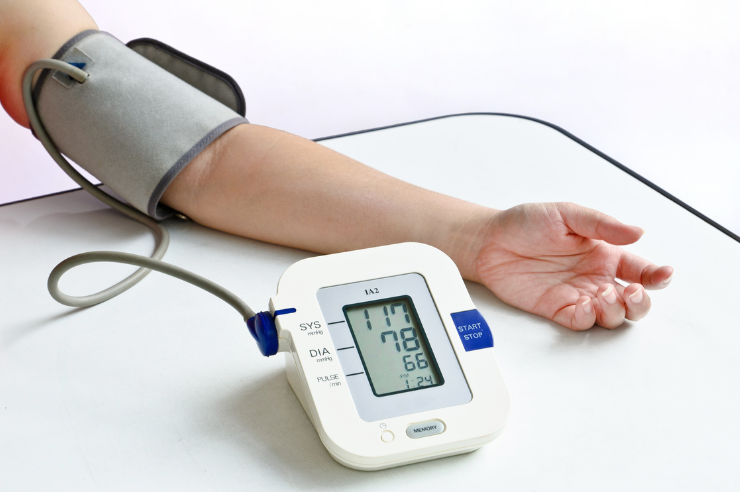
Devices such as the Livingstone Premium Digital Blood Pressure Monitor, Fully Automatic with Talking Feature offer:
- Fully automatic upper-arm measurement
- Easy-to-read digital display
- Voice guidance for improved accessibility
- Simple one-touch operation
- Portable design powered by four AAA batteries
Features such as voice prompts can be particularly helpful for older Australians and people with impaired vision who may require additional assistance during self-monitoring.
Sit Correctly Before Taking a Reading
Patients should:
- Sit quietly for at least five minutes beforehand
- Keep both feet flat on the floor
- Rest the arm on a table at heart level
- Avoid talking during measurement
- Ensure the cuff fits correctly around the upper arm
Proper positioning helps minimise inaccurate readings.
Avoid Common Mistakes
For the most reliable results, avoid:
- Drinking coffee or energy drinks within 30 minutes
- Smoking before testing
- Exercising immediately beforehand
- Crossing your legs
- Taking measurements over clothing
- Talking during the reading
Even small factors can influence blood pressure measurements.
How Often Should Blood Pressure Be Checked?
The ideal monitoring schedule depends on individual health circumstances.
Healthcare professionals commonly recommend:
- Morning and evening readings when first diagnosed
- Two readings each time, approximately one minute apart
- Recording results over several consecutive days before a medical appointment
Patients should always follow advice provided by their GP or pharmacist regarding monitoring frequency.
What Should You Do If Readings Are High?
One elevated reading does not necessarily indicate hypertension.
Blood pressure naturally fluctuates throughout the day.
If consistently high readings are recorded:
- Continue monitoring as advised
- Record all readings
- Arrange an appointment with a GP
- Seek urgent medical attention if extremely high readings are accompanied by symptoms such as chest pain, severe headache, difficulty breathing or weakness
Home monitors should be viewed as screening and monitoring devices rather than diagnostic tools.
Why Are Pharmacies Increasingly Supporting Home Blood Pressure Monitoring?
Community pharmacies continue expanding their role in preventative healthcare.
Many pharmacies now provide:
- Blood pressure screening
- Medication reviews
- Cardiovascular risk education
- Lifestyle advice
- Ongoing monitoring support
By recommending quality home monitoring equipment, pharmacists empower patients to become active participants in managing their own cardiovascular health.
Reliable devices also support continuity of care between pharmacy visits and GP consultations.
What Features Should You Look for in a Home Blood Pressure Monitor?
When selecting a monitor, patients should consider:
Ease of Use
Fully automatic operation reduces user error and makes regular monitoring more accessible.
Upper Arm Measurement
Upper-arm monitors are generally recommended over wrist monitors because they tend to provide more consistent readings when used correctly.
Large Digital Display
A clear display improves readability for users of all ages.
Voice Guidance
Talking monitors assist users with visual impairment or those requiring additional guidance throughout the measurement process.
Portable Design
Battery-powered devices are convenient for home use and travel.
Supporting Better Preventative Healthcare
As Australia’s population continues to age and chronic disease management becomes increasingly important, home blood pressure monitoring is likely to remain a key component of preventative healthcare.
For pharmacies, stocking reliable monitoring equipment allows them to support customers beyond dispensing medicines by promoting early intervention, patient education and ongoing self-management.
For consumers, regular home monitoring offers reassurance, encourages greater awareness of cardiovascular health and provides valuable information that can assist healthcare professionals in delivering personalised care.
When combined with regular medical reviews and healthy lifestyle choices, home blood pressure monitoring represents a simple yet effective way to take a more proactive approach to long-term heart health.
References
Heart Foundation (2025) Monitoring your blood pressure at home. Available at: https://www.heartfoundation.org.au/your-heart/know-your-risks/high-blood-pressure/monitoring-your-blood-pressure-at-home
Healthdirect Australia (2025) High blood pressure (hypertension). Available at: https://www.healthdirect.gov.au/high-blood-pressure-hypertension