Every stage of mortuary preparation requires careful attention to safety, hygiene and infection prevention. While procedures such as embalming often receive the greatest focus, medical suture removal is another important step that benefits from consistent technique and the appropriate instruments.
Sutures may need to be removed following surgery, trauma management or a coronial post-mortem examination before further preparation can take place. During this process, staff work in close contact with tissue and potentially infectious materials, making the selection of safe, sterile instruments an important part of preparation room protocols.
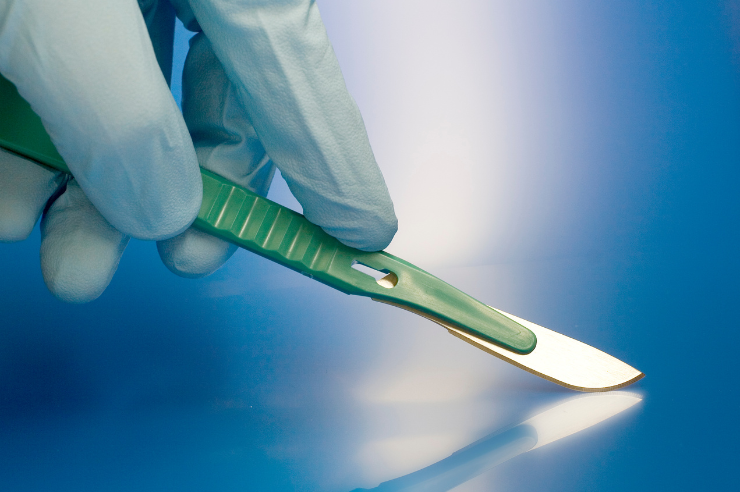
Using a Sterile Surgical Blade or dedicated Stitch Cutter Blade designed for single-use helps reduce the risk of cross-contamination while supporting clean, precise suture removal. Livingstone Stitch Cutter Blade are designed to support safe handling, reliable performance and efficient preparation room workflows. Explore the complete Medical Instruments collection for practical solutions that help maintain high standards of infection prevention.
Why is medical suture removal performed during mortuary preparation?
Medical suture removal is commonly required before embalming or restorative procedures can begin.
Sutures may be present following:
- Surgical procedures
- Trauma repair
- Organ donation procedures
- Coronial or forensic post-mortem examinations
Removing these sutures allows funeral professionals to continue body preparation, complete incision management and prepare the deceased for viewing or further restorative work.
Although this may be a routine procedure, it should always be approached using appropriate infection prevention practices and correctly selected instruments.
Why do sterile instruments matter during suture removal?
Suture removal involves direct contact with tissue and may expose staff to blood or other body fluids.
Using sterile, single-use cutting instruments helps reduce opportunities for contamination between cases while supporting safer handling throughout the procedure.
A Sterile Surgical Blade or sterile stitch cutter also provides a consistently sharp cutting edge, allowing sutures to be removed cleanly with minimal force. This reduces unnecessary manipulation around the incision site and helps minimise the risk of accidental slips or sharps injuries.
Rather than relying on reused cutting tools, single-use sterile instruments support consistent infection prevention procedures while simplifying instrument management.
What features should a stitch cutter have?
Selecting the right instrument contributes to both safety and efficiency during medical suture removal.
Sharp cutting performance
A sharp Stitch Cutter Blade cuts sutures cleanly in a single movement, helping reduce unnecessary handling of tissue while improving operator control.
Sterile presentation
Using a sterile instrument helps maintain hygienic practice whenever direct tissue contact is required.
Each sterile instrument is supplied ready for immediate use without requiring cleaning or reprocessing before the procedure.
Single-use design
Single-use stitch cutters eliminate the need for validated reprocessing after every case.
Once the procedure is complete, the instrument can be disposed of directly into an approved sharps container, reducing handling and supporting consistent infection prevention practices.
How can funeral homes support safer medical suture removal?
Safe medical suture removal relies on both appropriate instruments and consistent preparation room procedures.
Assess the suture site
Inspect the incision before beginning removal and identify the safest cutting point for each suture.
Use a sterile single-use instrument
Choose a Sterile Surgical Blade or dedicated stitch cutter that provides clean, controlled cutting performance throughout the procedure.
Cut carefully
Position the cutting edge beneath the suture while directing the blade away from surrounding tissue to minimise the risk of accidental injury.
Dispose of sharps immediately
Following use, place the instrument directly into an approved sharps container located close to the preparation area.
Combining these simple steps supports safer handling while reducing opportunities for cross-contamination.
Why do single-use stitch cutters improve preparation room workflow?
Preparation rooms often require staff to move efficiently between multiple procedures while maintaining strict infection prevention standards.
Using a sterile, single-use Stitch Cutter Blade removes the need to clean, inspect and reprocess reusable cutting instruments after every case.
This allows staff to:
- Maintain consistent infection prevention procedures
- Reduce instrument handling
- Improve workflow efficiency
- Minimise reprocessing requirements
- Support preparation room organisation
Small workflow improvements can help funeral homes maintain safe and consistent preparation practices throughout the working day.
What do Australian guidelines recommend for sharps safety?
Australian infection prevention guidance recommends minimising unnecessary handling of used sharps while disposing of them immediately after use in approved sharps containers.
Guidance also supports the use of single-use sharps where practical and recommends that any reusable instruments undergo validated cleaning and reprocessing procedures before being used again.
Following these principles helps reduce occupational exposure risks while supporting safe preparation room practices.
Frequently Asked Questions
Can reusable stitch cutters be used?
Reusable instruments may be used when they are appropriately cleaned, disinfected and reprocessed according to recognised standards. However, many funeral homes choose sterile single-use instruments to simplify infection prevention procedures and reduce instrument handling.
When should a Sterile Surgical Blade be discarded?
Single-use sterile instruments should be disposed of immediately after the procedure in an approved sharps container. They should never be reused between cases.
Are stitch cutters suitable for all surgical sutures?
Most stitch cutters are designed for routine surgical suture removal. Staff should assess the suture type and preparation requirements before selecting the most appropriate instrument.
Should medical suture removal be documented?
Many funeral homes include medical suture removal within their preparation records, particularly when procedures relate to post-mortem examinations or restorative preparation. Maintaining accurate records supports consistency and preparation room quality assurance.
Supporting safer preparation rooms every day
Safe medical suture removal depends on more than technical skill alone. Selecting sterile, purpose-designed instruments, following consistent sharps handling procedures and disposing of used blades immediately all contribute to safer preparation room practices.
A dedicated Stitch Cutter Blade or Sterile Surgical Blade provides clean, precise cutting while supporting infection prevention and reducing the need for instrument reprocessing. When combined with documented workplace procedures and appropriate personal protective equipment, these simple practices help funeral professionals maintain efficient, hygienic and well-organised preparation environments.
Explore Livingstone’s Medical Instruments collection for Sterile Stitch Cutters, Medical Scissors and other practical solutions designed to support safe, reliable preparation room procedures.
References
Safe Work Australia, 2020. Guide for the Funeral Industry. Canberra: Safe Work Australia. Available at: https://www.worksafe.qld.gov.au/__data/assets/pdf_file/0019/18442/funeralindustry_guide2004.pdf
National Health and Medical Research Council (NHMRC) and Australian Commission on Safety and Quality in Health Care (ACSQHC), 2019. Australian Guidelines for the Prevention and Control of Infection in Healthcare. Canberra: NHMRC. Available at: https://www.nhmrc.gov.au/about-us/publications/australian-guidelines-prevention-and-control-infection-healthcare-2019