Every tool in a healthcare setting plays an important role in keeping patients safe and ensuring accurate results. Among them, diagnostic equipment holds special importance. It helps doctors detect problems early and make better treatment decisions. But like any valuable tool, its performance depends on how well it’s cared for.
When equipment isn’t properly maintained, it can lead to inaccurate results, downtime, and expensive repairs. That’s why knowing how to maintain your devices not only saves costs but also keeps your workplace running smoothly.
Good maintenance is not complicated. It’s about regular cleaning, safe handling, and using the right products. Let’s explore simple, practical steps that help extend the life of your diagnostic instrument supplies and keep them performing at their best.
1. Understand the Importance of Regular Maintenance
Maintenance might sound like a routine task, but it’s actually a key part of quality healthcare. When your diagnostic equipment works smoothly, you get faster and more accurate results, which means better care for patients.
Regular maintenance also helps avoid costly repairs or replacements. A small issue that’s ignored for too long can quickly turn into a big problem. Checking your equipment regularly ensures that every part is clean, calibrated, and working properly.
Think of it like your car, when you service it on time, it performs better and lasts longer. Your diagnostic instruments deserve the same care.
2. Clean Your Equipment the Right Way:
Cleanliness is essential for any healthcare environment. Dust, moisture, or chemical residue can affect the accuracy and function of sensitive healthcare instruments for diagnosis.
Always follow these simple cleaning steps:
- Use approved cleaning agents: Avoid harsh chemicals that can damage sensors or surfaces.
- Wipe gently: Use a soft, lint-free cloth to avoid scratching delicate parts.
- Disinfect properly: Use disinfectants recommended for medical tools. This prevents contamination and ensures hygiene.
- Dry thoroughly: Moisture can lead to corrosion or malfunction, so make sure your tools are completely dry before storing.
Routine cleaning not only improves hygiene but also prevents long-term wear and tear.
3. Follow Manufacturer’s Guidelines:
Every diagnostic tool comes with a manual that provides detailed care instructions. It might seem easy to skip reading it, but these guides exist for a reason.
Manufacturers know the product inside out — from ideal temperature conditions to correct cleaning methods. Following their advice helps you avoid common mistakes that reduce performance or cause damage.
Keep all user manuals accessible and train staff to handle each instrument correctly. A few minutes of proper care can save thousands of dollars in future repairs.
4. Calibrate Regularly for Accuracy:
Accuracy is everything in healthcare. Even the smallest error in diagnostic results can affect treatment decisions. That’s why calibration is so important.
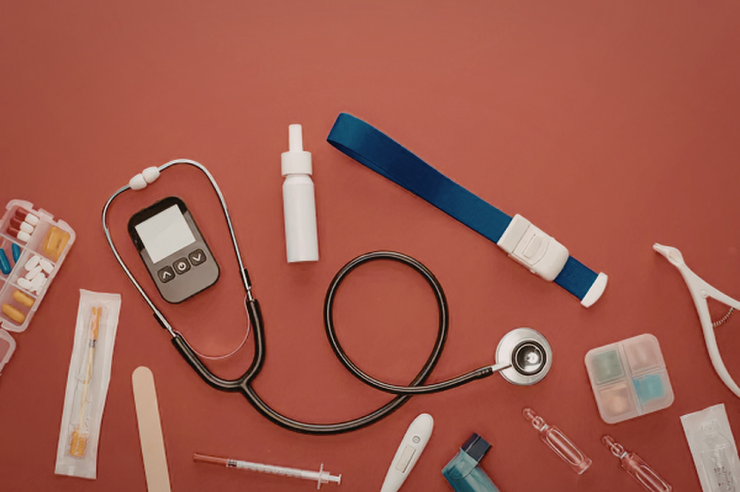
Calibration means adjusting your diagnostic equipment so that it provides accurate readings. Many instruments, such as thermometers, blood pressure monitors, and digital analysers, need periodic calibration.
Always record the calibration dates and schedule reminders. Some facilities even keep a simple logbook for each device. This habit ensures your equipment remains reliable and compliant with healthcare standards.
5. Train Staff on Proper Usage:
No matter how advanced your equipment is, its lifespan depends on how it’s handled. Improper use is one of the main reasons why medical tools fail early.
Make sure all staff members are trained in the correct handling and operation. Teach them how to switch devices on and off properly, how to connect cables safely, and how to clean them after use.
You can even arrange refresher sessions every few months. Well-trained staff not only reduce equipment damage but also improves the accuracy of results.
6. Store Equipment in Safe Conditions:
Storage plays a big role in preserving the life of your diagnostic instruments. Many healthcare facilities overlook this simple factor.
Here are a few easy rules to follow:
- Keep in dry areas: Moisture can cause rust or electronic failure.
- Avoid direct sunlight: Heat can damage sensitive materials.
- Use dust covers: Cover unused tools to prevent dust build-up.
- Separate delicate instruments: Store fragile items individually to avoid scratches or dents.
Safe storage keeps your diagnostic instrument supplies ready for use at any time and maintains their reliability.
7. Use Genuine Replacement Parts:
Sometimes parts need to be replaced, sensors, filters, cables, or batteries. When that happens, it’s best to use genuine parts recommended by the manufacturer or trusted suppliers.
Using cheap or unapproved parts might seem like a cost-saving option, but it often leads to performance issues or even equipment damage. Genuine components ensure your device continues to work as it was designed to.
8. Schedule Professional Servicing
While basic cleaning and checks can be done by staff, certain maintenance tasks should always be handled by professionals.
A qualified technician can inspect internal components, test calibration, and detect potential problems early. Scheduling servicing once or twice a year keeps your healthcare instruments for diagnosis in perfect working condition.
Think of professional servicing as preventive care, it helps you avoid bigger issues in the future.
9. Handle Equipment with Care
It might sound obvious, but gentle handling makes a huge difference. Avoid dropping or bumping instruments, even lightly. Always hold them properly when moving between rooms or labs.
Use stable surfaces and handle cords carefully. Wrapping cables too tightly or bending them can lead to internal damage. Simple precautions like these prevent unnecessary wear and extend your equipment’s lifespan.
10. Keep a Maintenance Record
Documenting maintenance may seem boring, but it’s very useful. Keeping a log helps track cleaning, calibration, and servicing dates.
This not only helps plan future maintenance but also meets healthcare compliance standards. Many healthcare facilities are required to show maintenance records during inspections; having everything documented saves time and stress.
A clear record also gives you insight into which equipment needs more attention or replacement.
Choose Reliable Equipment with Livingstone International
Caring for your diagnostic instruments doesn’t have to be complicated. With the right cleaning, handling, and maintenance routine, you can extend the life of your tools and maintain accuracy in every diagnosis.
For dependable diagnostic equipment, diagnostic instrument supplies, and healthcare instruments for diagnosis, trust Livingstone International. We provide a wide range of products made to meet professional healthcare standards.
When you invest in quality tools from Livingstone International, you’re not just buying equipment; you’re ensuring accuracy, safety, and long-term reliability for your facility.