Step into any medical room, food service area, or cleaning station, and you’ll likely see people pulling on disposable gloves. But here’s something many don’t think about, not all gloves are the same. Some are powdered, while others are powder-free. This small detail can make a big difference depending on where and how you use them.
Choosing between powdered and powder-free gloves isn’t just about personal preference. It’s about comfort, safety, and the type of work you do. If you’re someone who wears gloves regularly, understanding this difference can help you pick the right option for your needs.
In this blog, let’s break it down in a simple, clear way. We’ll look at what makes powdered and powder-free gloves different, where each is commonly used, and why powder free nitrile gloves have become so popular in many industries.

What Are Powdered Gloves?

Powdered gloves are exactly what they sound like: gloves with a light coating of powder on the inside. The powder is usually made from cornstarch, and it serves a very practical purpose: it makes the gloves easier to put on and take off.
When your hands are sweaty or damp, powdered gloves slip on more smoothly. This was especially useful in industries where people needed to change gloves quickly and frequently.
Common Uses of Powdered Gloves:
- Food preparation and handling
- Some cleaning tasks
- Certain industrial environments
Advantages of Powdered Gloves:
- Easy to Wear: The powder helps the gloves glide onto your hands without sticking.
- Quick Removal: When you’re in a rush, taking them off is simple.
- Less Sweating: The powder absorbs moisture, making them more comfortable during long use.
However, powdered gloves are not perfect. While they’re handy, they can sometimes cause problems in sensitive settings.
Drawbacks of Powdered Gloves
Although powdered gloves have their benefits, they also come with a few downsides you should know about:
- Irritation & Allergies: Some people may experience skin irritation or allergic reactions due to the powder. This is especially a concern in healthcare settings.
- Contamination Risk: In environments where hygiene is critical, like hospitals or laboratories, the powder can contaminate surfaces or interfere with delicate equipment.
- Increased Risk in Surgeries: Powdered gloves are not suitable for surgical settings because the powder can enter wounds and cause complications.
Because of these reasons, powdered gloves are being used less in medical and professional industries. In fact, in many places, their use is restricted or phased out completely.
What Are Powder-Free Gloves?
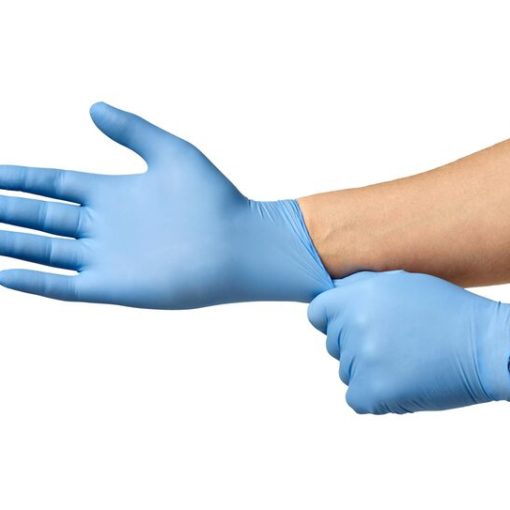
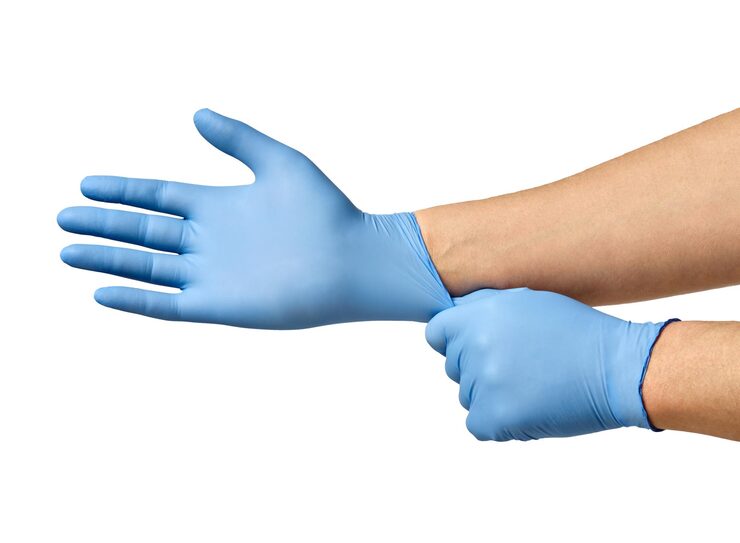
Powder-free gloves, as the name suggests, don’t contain any powder inside. Instead of using powder to make them easier to wear, manufacturers treat the glove surfaces through special processes. This makes them smooth and easier to put on, even without powder.
The biggest benefit of powder-free gloves is that they reduce the risk of contamination and allergic reactions. This is why they’ve become the preferred choice in healthcare, food service, and many other industries.
Common Uses of Powder-Free Gloves:
- Medical and dental settings
- Laboratories
- Tattoo studios
- Automotive work
- Food preparation
Advantages of Powder-Free Gloves:
- Better for Sensitive Skin: No powder means fewer chances of skin irritation or allergies.
- Cleaner Work Environment: There’s no powder to spread around, making them ideal for sterile areas.
- Safe for Delicate Work: Perfect for surgeries, lab work, or any task where cleanliness is essential.
- Modern Design: Manufacturers have improved glove technology, so they’re now just as easy to wear as powdered ones.
Why Powder Free Nitrile Gloves Are a Popular Choice
Among all types of powder-free gloves, powder free nitrile gloves have become a favourite across many industries. Here’s why:
- Strong and Durable: Nitrile is tougher than latex and resists punctures and chemicals, making it ideal for tasks that need extra protection.
- Comfortable Fit: These gloves fit snugly without feeling tight, allowing you to work comfortably for longer periods.
- Latex-Free: Since they don’t contain latex, there’s no risk of triggering latex allergies, a big plus for both you and the people you work with.
- Versatile Use: From hospitals to hair salons, from cleaning jobs to automotive work, they’re trusted by professionals everywhere.
- Clean and Safe: Being powder-free, they help keep your workspace neat and reduce contamination risks.
If you wear gloves for long hours or deal with sensitive environments, switching to powder free nitrile gloves can make a real difference in comfort and safety.
Powdered vs Powder-Free: A Simple Comparison
| Feature | Powdered Gloves | Powder-Free Gloves |
| Ease of Wearing | Easier due to powder | Easy thanks to special manufacturing methods |
| Skin Reactions | Can cause irritation/allergies | Better for sensitive skin |
| Hygiene | Powder can spread and contaminate | Cleaner, no powder residue |
| Use in Medical Settings | Restricted in many areas | Widely accepted and preferred |
| Comfort | Comfortable but can get messy | Clean and comfortable for long use |
| Best Material Option | Latex or vinyl mostly | Nitrile is the top choice |
When Should You Choose Powdered Gloves?
Even though powder-free gloves are more popular today, powdered gloves still have their place. If you work in a fast-paced food prep environment or need to change gloves frequently and quickly, powdered gloves might still be convenient.
However, for tasks that require hygiene, precision, or involve sensitive skin, powder-free gloves are clearly the better option.
Tips for Choosing the Right Gloves
No matter which type you go for, here are a few simple tips to help you pick the right pair:
- Think About Your Task: Choose gloves based on what you’ll be doing. For sensitive or sterile work, powder-free is best.
- Pick the Right Size: Gloves that fit well give you better control and reduce the chance of tearing.
- Consider Skin Sensitivity: If you or the people around you have allergies, powder-free nitrile gloves are a safer choice.
- Check Quality: Go for trusted brands to make sure you’re getting gloves that meet safety standards.
Conclusion:
Whether you choose powdered or powder-free, understanding the difference helps you make a smarter decision. For most industries today, powder free nitrile gloves are the top pick because they offer strength, comfort, and hygiene without the downsides of powder.
If you’re looking for high-quality gloves in Australia, Livingstone International is a trusted name you can count on. We offer a wide range of gloves to suit different needs and industries, ensuring you always have the right protection on hand.
Visit our website to explore our full collection and choose gloves that keep you safe, clean, and comfortable.