Ever twisted your ankle while walking or felt swelling in your knee after a long day? Small injuries like these are very common. They can happen at home, at work, or even while playing sports. When something like this happens, the first thing you want is quick support and relief.
This is where an elastic compression bandage can help you. It is a simple medical item, but it plays a very helpful role in first aid and recovery. It helps support injured areas and can reduce swelling when used the right way.
If you are looking for quality medical supplies, Livingstone International is a trusted name that provides a wide range of healthcare products for professionals and everyday users. Their products are known for quality and reliability, which is very important when you are dealing with injuries and wound care.
But you may wonder something simple: what injuries can actually be treated with an elastic compression bandage? Let’s look at the most common ones.
Sprains
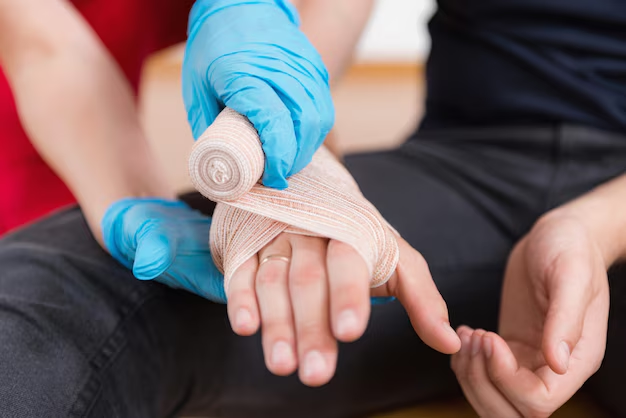
One of the most common injuries treated with an elastic compression bandage is a sprain.
A sprain happens when a ligament stretches or tears. This often occurs in the ankle or wrist. Maybe you stepped the wrong way or slipped while walking. Suddenly your ankle hurts and begins to swell.
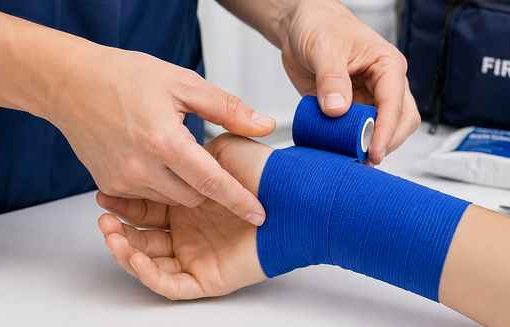
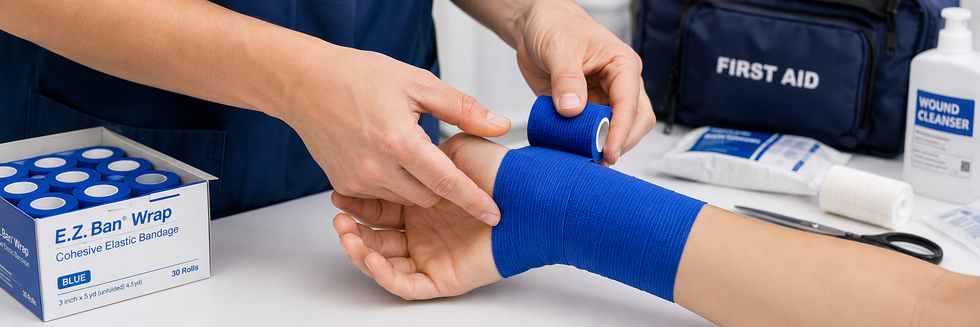
When you wrap the area with a Compression bandage for swelling, it helps in two simple ways:
- It provides gentle pressure to control swelling
- It supports the injured joint
- It helps you feel more stable when moving
A heavy elastic bandage can keep the joint supported while you rest. It does not cure the injury on its own, but it helps your body recover.
Many people ask, should the bandage be tight?
It should feel snug but not too tight. If you feel numbness or tingling, the wrap may be too tight.
Strains
A strain is different from a sprain, but it can feel similar.
A strain happens when a muscle or tendon stretches too much. This can happen when lifting something heavy, exercising too hard, or moving in the wrong way.
Common areas include:
- Back
- Shoulder
- Thigh
- Calf muscles
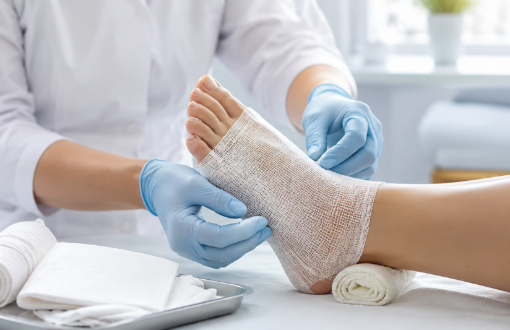
When you wrap the injured muscle with an elastic bandage with clips, it helps keep the area supported. It also helps control swelling and reduces movement that might cause more pain.
A Heavy Crepe Bandage works well for this because it is flexible. It moves with your body but still gives support.
Swelling and Inflammation
Sometimes an injury causes swelling even if there is no major damage. You may notice puffiness, tightness, or warmth in the area.
Swelling can happen because of:
- Minor injuries
- Overuse of muscles
- Joint irritation
- Sports activities
A Compression bandage for swelling can help reduce fluid buildup in the injured area. The gentle pressure encourages better circulation.
Many people use an Elastic Compression Bandage along with rest and ice. This simple combination often helps the body recover faster.
But remember, compression should feel comfortable. Your goal is support, not pressure that causes pain.
Joint Support After Minor Injuries
After a small injury, your joint may feel weak or unstable. Even simple movements may feel uncomfortable.
Wrapping the joint with a heavy elastic bandage can give it extra support.
This is often done for:
- Ankles
- Knees
- Wrists
- Elbows
For example, if your knee feels weak after a long run, a Heavy Crepe Bandage can help stabilize the joint while you rest.
The elastic bandage with clips is especially helpful because the clips keep the wrap secure. You do not have to worry about the bandage coming loose while moving.
Bruises and Minor Soft Tissue Injuries
Bruises are another common injury where compression can help.
You may get a bruise from:
- A fall
- A bump against furniture
- Sports contact
The injured area may look dark or feel tender. While a bruise usually heals on its own, wrapping it with an elastic compression bandage may help reduce swelling and discomfort.
It also protects the area from further bumps while it heals.
Sometimes a simple wrap makes everyday movement easier.
Sports Injuries
If you enjoy sports or regular exercise, you probably know that small injuries happen from time to time.
Common sports injuries include:
- Twisted ankles
- Muscle strains
- Knee discomfort
- Wrist injuries
Athletes often keep a heavy crepe bandage in their first aid kit for this reason.
When used correctly, a heavy elastic bandage can:
- Support injured muscles
- Reduce swelling
- Provide stability during recovery
You may have seen athletes with bandaged knees or ankles during games. That support often comes from an elastic compression bandage.
It allows movement while still protecting the injured area.
Recovery Support After Injury
Even after the pain begins to improve, the injured area may still need support.
Your body needs time to fully heal. During this time, a compression bandage for swelling can provide gentle support and help prevent further strain.
For example:
- An ankle recovering from a sprain
- A knee healing after strain
- A wrist recovering from overuse
Using an elastic bandage with clips during recovery can help you move more comfortably.
But it is always important to listen to your body. If pain continues or becomes worse, medical advice may be needed.
How to Use an Elastic Compression Bandage Safely
Using the bandage the right way is important.
Here are some simple tips you can follow:
Wrap gently
The bandage should feel firm but comfortable.
Start below the injury
Wrap upward toward the heart. This helps reduce swelling.
Check circulation
Your fingers or toes should not feel numb or cold.
Remove it at night if needed
Sometimes it is better to let the area rest.
A Heavy Crepe Bandage is flexible, which makes it easier to adjust. The elastic bandage with clips also keeps the wrap secure during daily activities.
Simple steps like these can make a big difference in recovery.
When Should You Not Use a Compression Bandage?
While an elastic compression bandage is helpful, it is not for every situation.
You should avoid using it if:
- There is a serious fracture
- There is deep wound bleeding
- The injury causes severe pain
- The area becomes numb after wrapping
In such cases, medical attention is important.
Compression bandages are mainly used for minor injuries and support, not serious medical conditions.
Conclusion
Small injuries are part of daily life. You may twist your ankle, strain a muscle, or notice swelling after activity. When these things happen, simple support can make recovery easier.
An elastic compression bandage is one of the most useful items in a first aid kit. It helps treat sprains, strains, swelling, bruises, and many minor sports injuries. It provides support while your body heals naturally.
Choosing a reliable product also matters. Healthcare providers and everyday users trust Livingstone International for quality medical supplies. Our heavy crepe bandage and elastic bandage with clips are designed to provide comfortable support when you need it most.
If you want to explore a dependable elastic compression bandage, you can visit their product page here
Taking care of small injuries early can help you stay active and comfortable. And sometimes, a simple bandage can make a big difference in how quickly you recover.